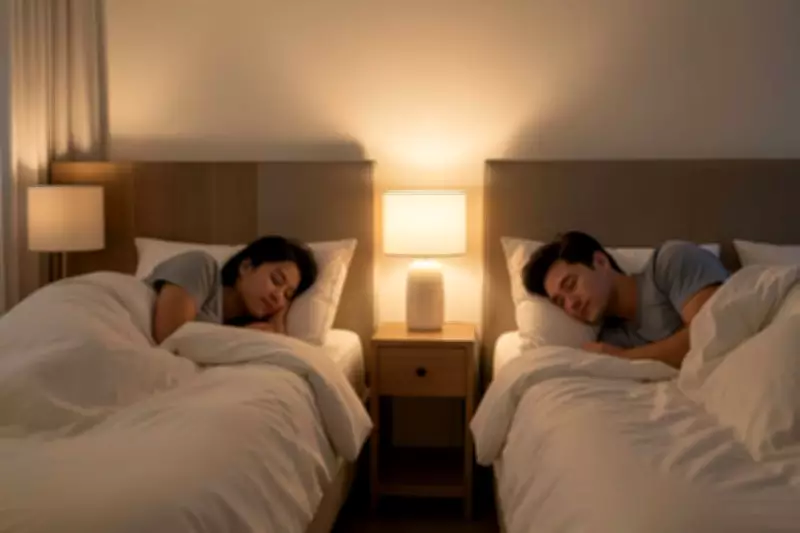
The Rise of Sleep Divorce: Couples Choosing Separate Beds for Health Benefits
In a surprising shift from traditional norms, an increasing number of couples are opting for what is being termed a "sleep divorce." This trend involves partners sleeping in separate beds or even different rooms, not as a sign of marital discord, but as a strategic move to enhance sleep quality and overall well-being. Experts suggest that this practice is gaining traction globally, driven by a growing awareness of the critical role sleep plays in physical and mental health.
Understanding the Concept of Sleep Divorce
Sleep divorce refers to the conscious decision by couples to sleep apart to address common sleep disturbances. Factors such as snoring, different sleep schedules, restlessness, or varying temperature preferences often lead to fragmented sleep for one or both partners. By choosing separate sleeping arrangements, couples aim to minimize these disruptions, ensuring each person gets a more restful and uninterrupted night's sleep. This approach is not about emotional distance but rather a practical solution to improve daily functioning and relationship harmony.
Health Benefits Driving the Trend
The primary motivation behind sleep divorce is the significant health benefits associated with better sleep. Poor sleep quality has been linked to a range of issues, including increased stress, weakened immune systems, and higher risks of chronic conditions like heart disease and diabetes. By prioritizing individual sleep needs, couples report improvements in energy levels, mood stability, and cognitive performance. Additionally, reducing sleep-related conflicts can lead to less daytime irritability and enhanced emotional connection during waking hours.

- Improved sleep duration and quality for both partners.
- Reduction in sleep disturbances such as snoring or movement.
- Better management of different sleep-wake cycles or preferences.
- Enhanced overall health through decreased sleep deprivation effects.
- Potential for increased intimacy and communication when awake.
Impact on Relationships and Social Perceptions
Contrary to initial assumptions, many couples find that sleep divorce strengthens their relationships. By addressing sleep issues proactively, partners can avoid resentment and arguments that often arise from tiredness and frustration. This arrangement allows for quality time together before bed and in the morning, fostering a healthier dynamic. However, the trend does face some social stigma, with misconceptions that separate sleeping indicates relationship problems. Advocates emphasize that it is a personal choice focused on wellness, not a reflection of emotional disconnection.
Experts note that communication is crucial when considering sleep divorce to ensure both partners are on the same page and feel supported in the decision.Practical Considerations and Future Outlook
For couples interested in trying sleep divorce, experts recommend starting with a trial period to assess its effects. It is important to discuss expectations, set boundaries, and maintain other forms of physical and emotional intimacy. As awareness grows, more resources and products, such as specialized bedding or room dividers, are becoming available to support this lifestyle. The trend is expected to continue rising as people prioritize health and well-being in their daily lives, challenging traditional views on shared sleeping arrangements.
In summary, sleep divorce represents a modern approach to relationship health, where couples prioritize sleep quality to boost individual and collective wellness. By embracing separate beds, many are finding that a good night's rest leads to happier, healthier partnerships.