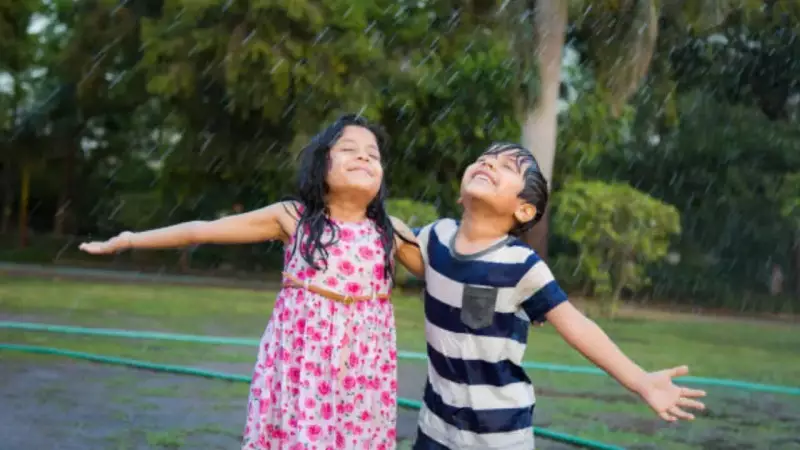
In many Indian households, a common scene unfolds: one child is boisterous, asking endless questions, while the other is content in a quiet corner, deeply engrossed in a book. One thrives on scheduled activities, and the other recoils from them. For parents, managing such contrasting personalities often feels like maintaining two separate worlds under one roof.
The Challenge and Opportunity in Innate Temperaments
Children are not blank slates. They are born with distinct, innate temperaments shaped by both biology and upbringing. An energetic child is not "too much," and an introverted one is not "too little." They are simply different. While navigating these differences can be demanding, it presents a profound opportunity. Parents can raise children who feel deeply understood for who they are, rather than being constantly measured against each other.
Problems often begin when parents, even unintentionally, show a preference for one personality type over another. The chatty child might be praised for confidence, while the quiet one is urged to "speak up." The easy-going kid gets labeled as "easy," and the emotional one becomes the "difficult" child. These perceptions slowly cement roles and identities, impacting a child's self-worth.

The Destructive Power of Sibling Comparison
Comparison is arguably the most damaging practice in families with children of diverse natures. A single remark like "Why can't you be more like your sister?" or "Your brother never behaves this way" can have lasting effects. Children interpret comparison as a statement about their value. Instead of motivating growth, it breeds jealousy, unhealthy competition, and emotional distance. One child may perpetually feel inferior, while the other feels pressured to maintain a "preferred" status.
The antidote is to evaluate each child on their own merits, tracking their growth against their own past, not a sibling's traits. Seeing differences without judgment is the cornerstone of healthy parenting.
Adapting Your Approach Without Showing Favouritism
Raising children with different personalities demands flexible parenting strategies, as a one-size-fits-all approach rarely works.
- A sensitive child might require gentle transitions and ample emotional reassurance.
- A bold, impulsive child often needs clear, consistent boundaries and physical outlets for energy.
- The independent child benefits from space to explore and learn autonomously.
- A relational child craves more connection and positive feedback.
This tailored flexibility might look like favouritism to an outsider, but children are remarkably perceptive when parents offer honest explanations. Saying, "Your brother needs help to calm down right now, and you need some quiet time to think," frames the different treatment as empathy, not competition. Simply explaining one child's struggles to the other can transform a perceived rival into a source of support.
Highlighting similarities can also bridge gaps. Phrases like ‘Just like you, he has a quick temper’ or ‘She loves animals, just as you do’ foster connection. When children learn that difference is not a threat, they cultivate patience—a trait that will serve them immensely in adulthood.
Creating Space for Individual Growth Beyond Labels
In families with strong personalities, children can become trapped in roles: the smart one, the funny one, the responsible one, or the sensitive one. While these labels bring predictability to family dynamics, they severely limit personal growth.
Parents can counter this by consciously offering broader experiences. Let the quiet child take the lead occasionally. Allow the responsible one to make mistakes without shame. Ensure the creative child's ideas are heard, even when they are expressed calmly. By making room for each child to express all facets of their personality, parents prevent them from being confined to a single, stifling box.

Ultimately, raising siblings with different personalities is less about managing conflict and more about celebrating unique identities. It's a journey that, when navigated with awareness and adaptability, can build a home where every child feels valued, understood, and free to become their authentic self.