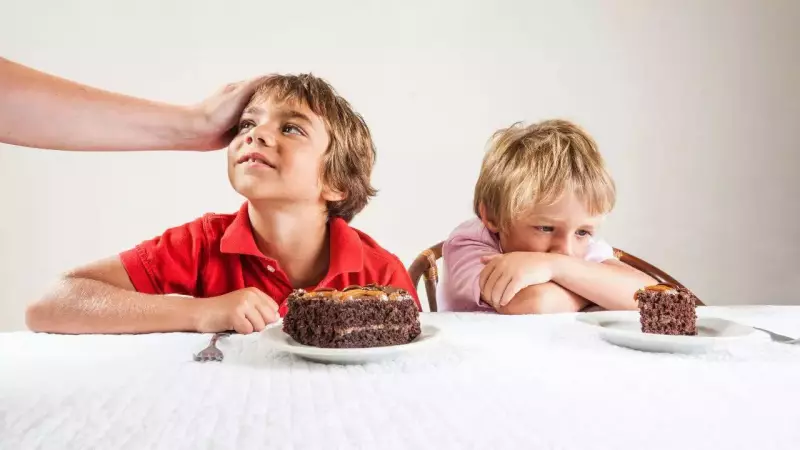
In the complex tapestry of family life, many parents unknowingly weave patterns of favouritism that can leave lasting emotional imprints on their children. While no parent intentionally sets out to create a 'golden child' or a 'black sheep,' subtle behaviours and unconscious biases often lead to exactly that scenario.
The Silent Signs of Unintentional Favouritism
Parental favouritism rarely appears as dramatic declarations of preference. Instead, it manifests through micro-behaviours that accumulate over time. Common indicators include:
- Consistently praising one child's achievements while downplaying another's
- Automatically believing one child's version of events during conflicts
- Spending significantly more quality time with one sibling
- Using one child as the standard against which others are measured
- Making excuses for one child's behaviour while punishing another for similar actions
The Ripple Effect on Sibling Dynamics
The consequences of perceived favouritism extend far beyond childhood. The 'favoured' child often carries the burden of unrealistic expectations and pressure to maintain their special status. Meanwhile, the less-favoured siblings may develop:

- Diminished self-esteem and feelings of inadequacy
- Resentment toward both parents and the favoured sibling
- Competitive behaviours that persist into adulthood
- Difficulty forming healthy relationships outside the family
- Increased risk of anxiety and depression
Breaking the Cycle: Practical Strategies for Parents
Recognizing the patterns is the first step toward change. Here are actionable ways to ensure balanced parenting:
1. Practice Conscious Equal Treatment
Make a deliberate effort to distribute your time, attention, and praise equally. Keep a mental checklist of when you last had one-on-one time with each child.
2. Celebrate Individuality
Instead of comparing siblings, acknowledge and celebrate each child's unique strengths and qualities. Avoid using phrases like "Why can't you be more like your sister?"
3. Establish Fair Conflict Resolution
When disputes arise, listen to all parties equally before making judgments. Avoid automatically siding with one child based on past behaviour patterns.
4. Regular Self-Reflection
Periodically ask yourself tough questions about your interactions with each child. Are you genuinely being fair, or have you developed unconscious preferences?
The Long-Term Benefits of Balanced Parenting
When children grow up feeling equally valued, they develop stronger sibling bonds that last into adulthood. They're more likely to support each other through life's challenges and maintain close relationships long after leaving the family home.
Remember that occasional feelings of preference are normal—what matters is how you manage and balance these instincts. The goal isn't perfect equality in every moment, but overall fairness that each child can feel and trust.