The Resurgence of Joint Family Living: A Modern Parenting Advantage
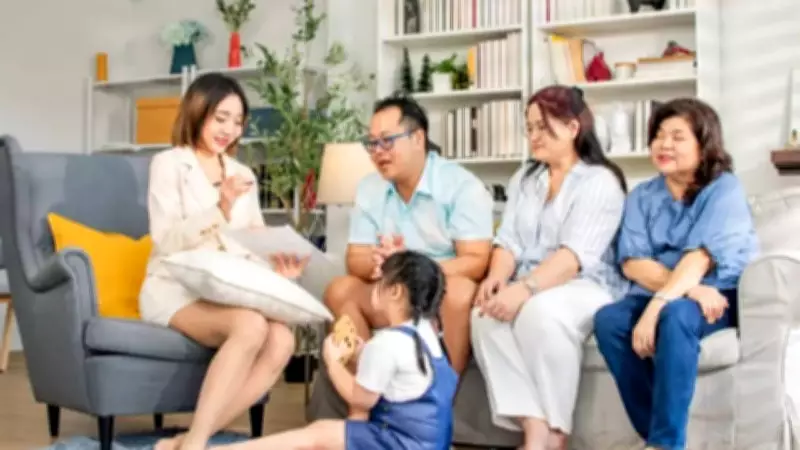
In an era increasingly dominated by nuclear family structures, a significant counter-trend is emerging as families rediscover the profound benefits of joint family living, particularly when it comes to raising children. The traditional setup where grandparents, aunts, uncles, and cousins cohabitate creates a rich tapestry of shared lives, responsibilities, and emotional bonds that offers unparalleled advantages for childhood development.
Emotional Security Through Multiple Attachments
Within a joint family environment, children experience love and affection from numerous caregivers beyond just their parents. Grandparents often provide patient, nurturing support while aunts and uncles contribute playful, engaging interactions. This multiplicity of relationships fosters a deep sense of belonging and security that is emotionally invaluable for young minds.
Psychologists emphasize that this multi-generational exposure significantly enhances emotional development, socialization, and cultural understanding during crucial formative years. Children develop superior emotional regulation and stress management capabilities when they know that even if parents are unavailable, other trusted adults are always present. This consistent support system builds remarkable confidence and self-security, with children from such environments typically demonstrating higher self-esteem and stronger trust-building abilities throughout their lives.

Enhanced Social and Communication Skills Development
Joint family upbringing naturally exposes children to diverse personalities, age groups, and perspectives. Unlike sheltered nuclear family environments, this setting provides continuous opportunities for children to learn essential social skills through daily interaction with extended family members.
Children raised alongside cousins and other relatives organically develop:
- Advanced listening and articulation abilities
- Understanding of different viewpoints
- Teamwork and cooperation skills
- Adaptability in group settings
This early socialization makes children more comfortable with people from varied backgrounds, reducing social awkwardness and creating lifelong advantages in both educational and personal relationships.
Natural Transmission of Cultural Values and Traditions
Joint families serve as living repositories of cultural heritage, where traditions pass seamlessly between generations through daily practice rather than formal instruction. Grandparents become primary conduits of cultural knowledge, sharing experiences and wisdom that would otherwise be lost.
Children learn cultural practices not as abstract concepts but as lived experiences through:
- Regular participation in family rituals and celebrations
- Direct observation of intergenerational respect and connection
- Immersion in family history and traditions
This cultural grounding provides children with stronger identity formation, deeper connection to their heritage, and enhanced psychological security. Research indicates that children raised with robust cultural awareness demonstrate greater resilience and clearer value systems as they mature.
Reduced Parental Stress Through Shared Responsibilities
The practical advantages of joint family living significantly alleviate parental burdens, particularly for working parents. Childcare responsibilities become distributed among multiple adults, creating a supportive network for:
- After-school supervision and homework assistance
- Emotional support and guidance
- Problem-solving from diverse perspectives
Grandparents often provide invaluable after-school care, storytelling, and wisdom-sharing that ensures children never experience loneliness even during parental work hours. This reduced stress translates to more patient, consistent parenting and creates warmer, more stable family relationships that form the foundation for healthy child development.

Early Development of Responsibility and Empathy
Joint family environments offer children front-row seats to observe and participate in intergenerational care dynamics. Children witness parents caring for grandparents, siblings supporting each other, and collective responsibility for household matters.
Through this lived experience, children naturally develop:
- Strong sense of responsibility through participation in family interdependence
- Enhanced empathy by considering others' needs and perspectives
- Prosocial behaviors through sharing and cooperation
Activities like assisting with grandparent care, adapting to collective family decisions, or helping younger cousins cultivate maturity beyond chronological age. These experiences create emotionally intelligent individuals who understand community and connection from their earliest years.
The joint family structure, while not without challenges, offers a comprehensive developmental ecosystem that addresses multiple aspects of childhood growth simultaneously. As modern families reconsider living arrangements, the evidence supporting joint family benefits for children continues to accumulate, suggesting that this traditional model may offer precisely what contemporary childhood needs: connection, security, and multi-generational wisdom in an increasingly fragmented world.