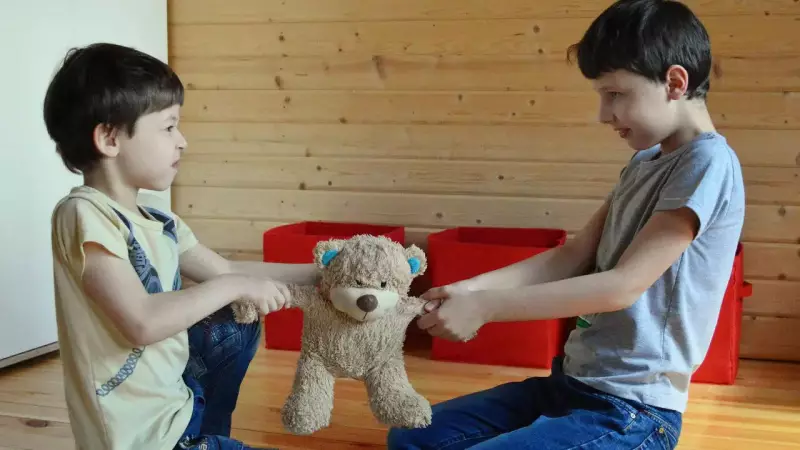
For most families with more than one child, sibling fights are a common and almost inevitable part of daily life. These conflicts, which can range from battles over toys and personal space to disagreements about rules and parental attention, are a natural aspect of growing up together. While parents often feel a strong urge to step in as a referee and declare a winner, experts suggest that taking sides can actually deepen resentment. The silver lining? When handled correctly, these everyday squabbles present a golden opportunity to help children develop crucial life skills like negotiation, compromise, and emotional intelligence that will serve them well into adulthood.
Stay Neutral and Focus on the Problem, Not the Blame
The moment a fight erupts, the most critical step for a parent is to remain calm and resist the immediate instinct to assign blame. Even if it seems clear who instigated the conflict, reacting sharply can make one child feel favoured and the other unjustly targeted. Instead of asking "Who started this?", adopt a neutral stance. Describe the situation you observe without judgment, using phrases like, "I can see you are both very upset" or "I hear loud voices, which tells me something is wrong." This simple technique shifts the focus away from the 'blame game' and towards understanding the core issue. It is equally important to give each child a brief, uninterrupted chance to explain their perspective, ensuring they feel heard and validated before moving towards a solution.
Teach Problem-Solving Skills Instead of Resorting to Punishment
Rather than imposing a top-down verdict, guide your children to collaboratively find their own resolution. This empowers them and teaches accountability. Pose open-ended questions that encourage teamwork, such as, "What can we do so both of you feel okay about this?" or "How can we fix this problem together?" This process nurtures their ability to compromise, negotiate, and think critically. Parents can also assist siblings in brainstorming and establishing fair, equitable rules for shared resources like toys, games, or common spaces. Over time, as children practice these skills, they will begin to resolve minor disputes independently, significantly reducing the need for constant adult intervention.

Encourage Empathy and Emotional Awareness
A significant root of conflict is often the inability to understand and articulate emotions. Helping children recognise and name their feelings is a powerful tool in reducing friction. Encourage them to use words to express themselves instead of actions, modelling phrases like, "I felt sad when you took my book without asking." This teaches respectful communication. Fostering empathy is another key pillar. Acknowledge each child's perspective and validate their emotions ("I understand you wanted a turn too") without condoning poor behaviour. When children feel understood, they become more receptive to seeing their sibling's point of view and are more likely to engage in cooperative problem-solving.
In essence, sibling conflicts, while challenging, are not merely disruptions to peace. They are practical, real-world workshops where children can learn and rehearse essential conflict resolution skills. By acting as a calm facilitator instead of a judge, focusing on collaborative solutions, and nurturing emotional literacy, parents can transform these everyday battles into valuable lessons that build stronger, more empathetic relationships between siblings for years to come.