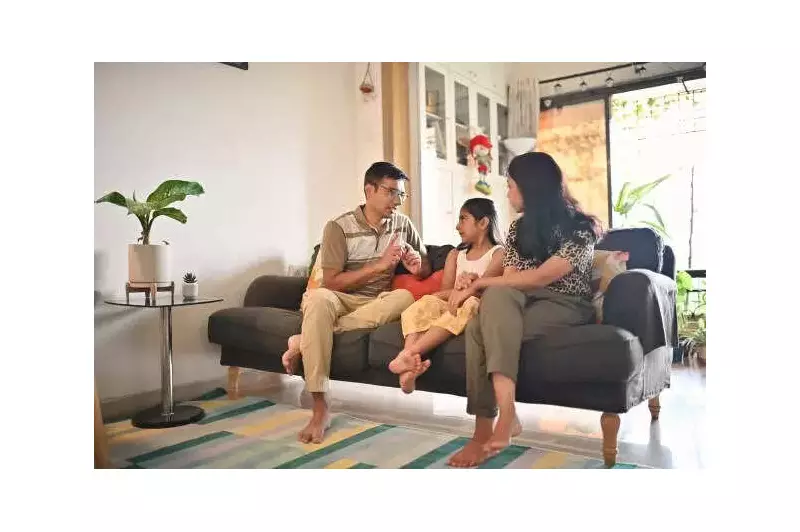
Long before children become attentive listeners to advice, they are keen observers of the world around them. While parents and elders invest significant time in teaching through directives and spoken lessons, children often absorb their most profound lessons silently, by watching and imitating behaviour and mannerisms.
The Silent Curriculum of Daily Actions
From the way adults manage stress to how they interact with others in their daily lives, children draw invaluable, unspoken lessons. The adage "Children learn more from what we do than from what we say" holds immense weight, underscoring that actions leave a far deeper imprint than words ever could. A child's first textbook is not made of paper; it is written in the actions of their caregivers.
Children constantly observe parental reactions, even in mundane situations. When a parent remains calm during a crisis, exhibits patience in frustrating traffic, or speaks with kindness to a stranger, the child internalises these behaviours as the standard norm. Conversely, displays of anger or impatience communicate a different, equally powerful lesson. These observed actions effectively become the child's internal manual for navigating life, often proving more influential than any verbal instruction.

Emotional Intelligence is Caught, Not Taught
The manner in which adults express and manage their emotions plays a pivotal role in shaping a child's emotional world. When adults openly discuss their feelings and demonstrate healthy emotional regulation, children learn to mirror those skills. If adults suppress emotions or resort to angry outbursts, children are likely to adopt similar patterns.
Simple acts like apologising after a mistake or showing empathy teach a child that emotions are manageable and that vulnerability is a strength. This modelling is fundamental to raising emotionally balanced and resilient individuals.
Building Character Through Consistent Example
Respect is a virtue learned far more effectively through observation than through instruction. Using polite language like "please," listening without interrupting, and acknowledging people with differing viewpoints leave an indelible mark on a young mind. This discipline, learned at home, becomes the foundation for their behaviour in the wider world.
Consistency between words and actions is crucial for building trust and instilling values. Telling a child about honesty while being untruthful creates confusion. When children see alignment between what is said and what is done, they feel secure and learn to trust. By consistently modelling integrity, kindness, and responsibility, parents impart these qualities more powerfully than any lecture could.
Ultimately, being a role model does not require perfection. It requires awareness and a genuine effort to improve. The daily rituals—how one speaks, reacts to stress, or treats oneself—collectively teach a child their way of being in the world. Living the values one wishes to teach has a transformative impact that simply talking about them can never achieve.