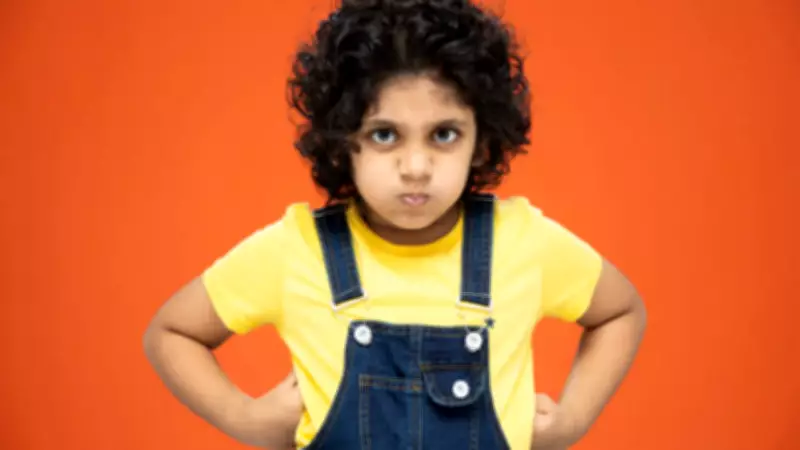
At some point in their parenting journey, most mothers and fathers hear words they never anticipated from their child. "I hate you" stands as one of the most shocking phrases. It often erupts suddenly during heated arguments or moments of parental refusal, catching caregivers off guard.
The Emotional Impact on Parents
These harsh words can feel deeply personal, even when uttered by very young children. Many parents instinctively freeze or react impulsively without proper consideration. Experts emphasize that taking a deliberate pause to assess the actual situation proves immensely helpful in such moments.
What Children Really Mean
When a child declares, "I hate you," it rarely reflects genuine hatred. Younger children typically lack the sophisticated vocabulary to articulate feelings of frustration, disappointment, or anger clearly. They naturally reach for the strongest expressions they know. Older children might employ this phrase to push against boundaries or test parental limits.

Frequently, these emotional outbursts follow a clear parental "no." Whether concerning screen time restrictions, homework demands, or leaving the playground, children feel obstructed and react accordingly. Though the words sound severe, the underlying emotion usually proves temporary. This doesn't mean parents should permanently ignore such statements, but remembering they aren't final declarations helps maintain perspective during emotional learning moments.
Parental Response Matters Most
The initial instinct for many parents involves correcting the child or taking the words personally. Some respond with matching anger, while others withdraw into silence. Both reactions can potentially worsen the situation. Maintaining calm doesn't signify approval but demonstrates emotional control.
Simple acknowledgments like "I can see you're really upset" keep focus on the feeling rather than the insult. This approach shows children that intense emotions can exist without damaging relationships. Implementing this can prove challenging on exhausting days, yet children often observe how adults manage anger more attentively than what they verbalize about it.
Recognizing Patterns Behind Outbursts
These emotional explosions frequently occur during predictable times. Late evenings, rushed mornings, and post-school hours commonly serve as triggers. Factors like hunger, fatigue, and sensory overload significantly contribute. Once parents identify these patterns, the words become less shocking and more expected, making measured responses easier without escalating tensions.
Over time, parents might notice the phrase diminishing as routines improve or transitions become more gradual. Understanding the contextual triggers transforms these moments from personal attacks into manageable behavioral patterns.
Effective Communication Strategies
Attempting to lecture about manners during emotional meltdowns rarely succeeds since children aren't in receptive states. Waiting until calm returns allows for more productive conversations. Later, parents can express their dislike for such words and briefly explain why. Extended lectures prove unnecessary as children often comprehend more than they demonstrate.
This approach creates space to suggest alternative anger expressions—not perfect solutions, but improved ones. The delayed discussion method reinforces emotional regulation skills while maintaining connection.
Reassurance for Parents
Hearing "I hate you" can undermine parental confidence, particularly for first-time caregivers. It might feel like evidence of failure, though typically it isn't. Children test relationships where they feel most secure, expressing difficult emotions because they trust the bond will endure.
While never easy to hear, this context provides valuable perspective. These challenging moments usually pass with time, leaving behind important lessons for both children and parents about emotional resilience and communication.