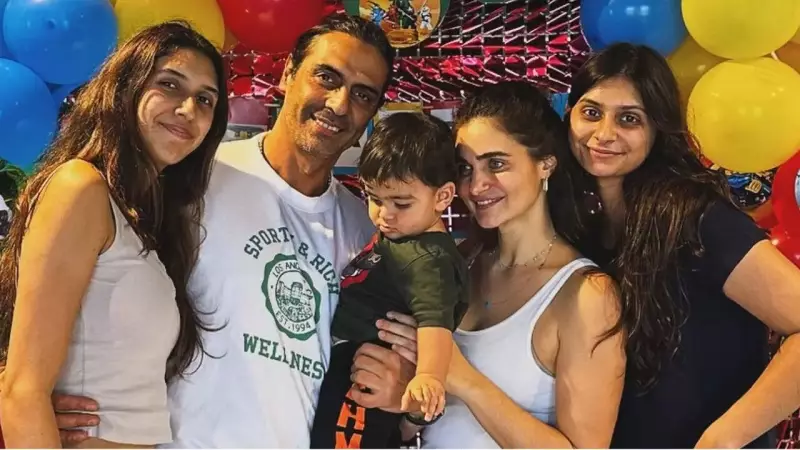
In the world of Bollywood glamour, actor, model, and producer Arjun Rampal is celebrated for his on-screen roles and fitness. Yet, he consistently points to a role that holds far greater personal significance: being a father to his children. While known for keeping his private life away from the media glare, Rampal has, in recent interviews, opened up about his philosophy on parenting. His journey offers a relatable blueprint for modern fathers navigating complexities like co-parenting, blended families, and balancing a demanding career with family life.
Core Principles of Arjun Rampal's Parenting Philosophy
Arjun Rampal's approach to fatherhood is built on a foundation of consistency and emotional availability rather than striving for an unattainable ideal. He has emphasised that children value presence over perfection. Despite a hectic schedule in the film industry, he consciously carves out quality time for his kids, focusing on simple, everyday interactions and shared routines. This consistent showing up, he believes, is what builds emotional security and trust, forming the bedrock of a strong parent-child bond.
Navigating Family Transitions with Dignity
A significant aspect of Rampal's public parenting narrative is his handling of family transitions. Following his separation, he chose a path of respectful co-parenting, prioritising his children's well-being above all else. He has often stated that shielding children from parental conflict is a shared duty. By demonstrating maturity and putting emotional stability first, he shows how parents can help children feel safe, loved, and supported even during significant family changes.

Another powerful tool in his parenting kit is active listening. Rampal believes that fatherhood is as much about hearing his children as it is about guiding them. He fosters an environment of open dialogue where his kids can express their thoughts and feelings without fear of judgment. This practice, he stresses, is crucial for helping children develop confidence, emotional intelligence, and clarity in their own thinking.
Leading by Example and Fostering Independence
For Arjun Rampal, teaching values isn't about lectures but about embodiment. He focuses on leading by example, allowing his children to observe qualities like discipline, respect, and kindness in his daily actions. He notes that children are perceptive and learn more from what they see than from what they are told. This method of quiet leadership helps shape character organically and without pressure.
Furthermore, Rampal champions the idea of allowing children to forge their own paths. He views each child as a unique individual with distinct dreams and interests. A parent's role, in his view, is to support and encourage that individuality, not to dictate choices. By promoting independence and self-discovery, he aims to nurture intrinsic confidence and self-belief in his children, aligning with contemporary parenting philosophies that value autonomy.
Finally, Arjun Rampal embraces the idea that parenting is a continuous journey of growth. He openly acknowledges that fatherhood has taught him patience, humility, and greater emotional depth. By remaining adaptable and open to learning, he not only evolves as a parent but also models this valuable life skill for his children, who are always watching and learning from his example.