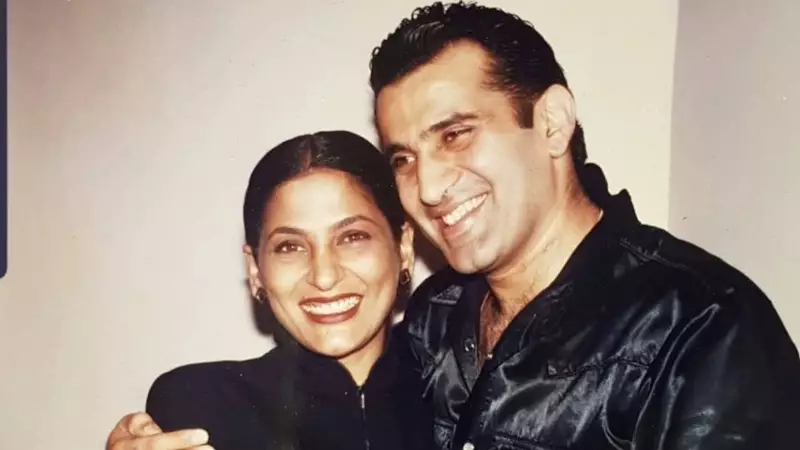
Parenting Perspectives: Archana Puran Singh and Parmeet Sethi's Candid Exchange Reveals How Mothers and Fathers Experience Childbirth Differently
A lighthearted yet revealing conversation between celebrity couple Archana Puran Singh and Parmeet Sethi has sparked discussions about the emotional timelines of parenthood. During a family vlog from London, their playful banter unexpectedly touched upon a reality many families quietly experience: mothers and fathers often emotionally enter parenthood at very different moments.
The Birthday Reflection That Sparked a Deeper Conversation
While preparing a surprise for their son Aaryamann Sethi's 30th birthday, Archana Puran Singh reflected on childbirth, identity, and how that day reshaped her life forever. Recalling the day she gave birth, Archana said, "Aaj puttar paida kia tha maine (I gave birth to him today). You forget that you gave birth on that day; most people only focus on the fact that it's the kid's birthday, just make him feel happy. But, this is actually my birthday as a mother. He made me a mom by being born."
What followed was a playful disagreement layered with deeper meaning about parental experiences. Parmeet Sethi interjected with his perspective, saying, "Meri toh koi participation thi hi nahi na, jammeya ye mai vi hai (Did I not participate? I also have birth to him)," before adding, "Itni partiality hoti hai bhaisahab. Paida hone ke baad baap hi toh sab kuch karta hai (The father does everything only after the child is born. There is so much partiality against fathers)."

Archana quickly countered with her viewpoint, concluding candidly that Parmeet had "no idea what being a father meant at the time" of their son's birth.
Why Mothers and Fathers Experience Parenthood at Different Times
This exchange highlights a psychological reality that many parents recognize but rarely discuss openly. According to Sonal Khangarot, a licensed rehabilitation counsellor and psychotherapist at The Answer Room, the emotional journey into parenthood follows different timelines for mothers and fathers due to biological, social, and psychological factors.
For mothers, parenthood often begins early in pregnancy:
- From the first scan and blood tests to frequent doctor visits, the baby becomes a daily, physical reality
- Her body is constantly monitored, with routine changes and family conversations revolving around her health, food, rest, and safety
- Emotionally, she begins reorganizing her priorities and identity much before the child is born
For fathers, the emotional shift typically happens later:
- While they may be present at scans and appointments, they often remain observers rather than active participants in the physical process
- Their bodies and daily routines usually stay unchanged during pregnancy
- Extended family attention is directed mainly toward the mother during this period
- The emotional reality of fatherhood often becomes concrete only after birth, when responsibility becomes tangible through sleepless nights, financial planning, caring for the baby, and visible shifts in family dynamics
The Impact of Sidelining the Mother's Transformation
After childbirth, attention quickly shifts to the child's feeding, sleep, weight, and milestones, while the mother is often expected to "bounce back" physically and emotionally. Her exhaustion, hormonal changes, grief over her old identity, and need for care are frequently minimized or normalized as simply part of motherhood.
"This lack of recognition can lead women to feel invisible, reduced to a caregiver rather than seen as a person undergoing a profound life change," explains Khangarot. "When emotional struggles are dismissed with phrases like 'at least the baby is fine,' many women internalize guilt for feeling overwhelmed. Over time, this can contribute to loneliness, anxiety, low mood, and a fractured sense of self."
Helping New Fathers Transition from Functional to Emotional Roles
New fathers often shift from a functional role to emotional presence when they are given both access and permission to engage beyond provision. Several factors can facilitate this important transition:

- Hands-on caregiving opportunities that build confidence and connection
- Solo time with the baby to develop independent bonding
- Inclusion in medical conversations and decision-making processes
- Acknowledgment that fathers, too, are adjusting to a new identity with their own emotional needs
"Couples can reduce resentment by acknowledging that their emotional timelines may differ and by communicating needs without blame," concludes Khangarot. This mutual understanding can create a more supportive environment for both parents as they navigate the complex journey of parenthood together.
The candid exchange between Archana Puran Singh and Parmeet Sethi serves as a reminder that while parenting is a shared journey, the emotional paths mothers and fathers take to arrive at parenthood can be remarkably different. Recognizing and respecting these differences can lead to more compassionate partnerships and healthier family dynamics.