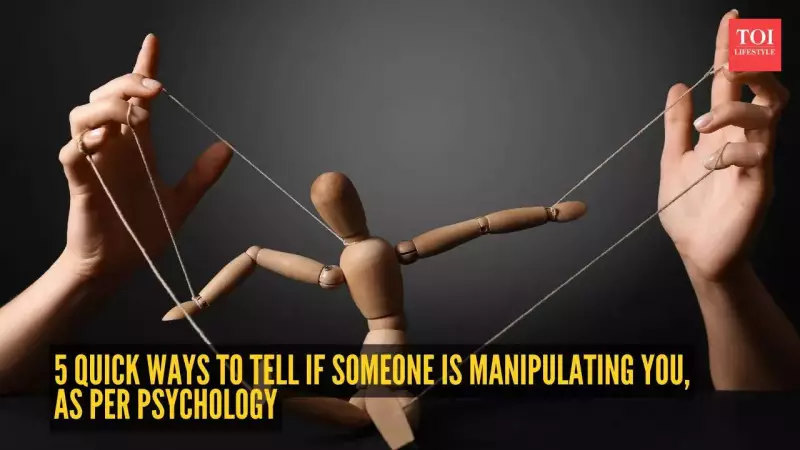
5 Psychology-Backed Ways to Spot Manipulation Before It Drains You
Have you ever found yourself questioning your own reality after an interaction with someone? That lingering doubt, the feeling that you apologized when you weren't at fault, or the sense that your emotions are being twisted—these are often signs of psychological manipulation creeping into your life. Manipulation operates like a subtle fog, gradually distorting your perception and emotions, primarily to exert control while eroding your trust over time. From guilt-tripping to the silent treatment, recognizing these patterns early is crucial for safeguarding your mental well-being and maintaining healthy relationships.
1. Gaslighting: Making You Doubt Your Own Sanity
Have you experienced a situation where someone wronged you, but when confronted, they shifted the blame onto you instead of acknowledging their mistake? They might even deny factual events with statements like "I never said that!" or "That never happened." This tactic, known as gaslighting in psychology, is a hallmark of narcissistic behavior designed to make you question your memory and sanity. What to do instead: Consider logging conversations or voicing your doubts aloud to trusted individuals. Remember, healthy relationships validate your feelings rather than invalidating them.
2. Guilt-Tripping: Weaponizing Your Empathy
Phrases like "If you loved me, you would..." or "If you cared, you'd do this now" are classic examples of emotional blackmail, as noted in EBSCO Health reviews on manipulation. This approach preys on your empathy, turning your kindness against you. Research by David M. Buss in "Tactics of Manipulation" identifies it as "regression/debasement," which can gradually erode your self-esteem. Key takeaway: Genuine friends respect your boundaries without pushing them. Starve manipulation by standing firm in your views and refusing to be guilt-tripped.

3. Silent Treatment: Deliberate Withdrawal to Control
Many people are guilty of using the silent treatment as a manipulation tactic to guilt-trip others into agreement. Sudden cold shoulders or ghosting after a disagreement aren't about giving space—they're forms of punishment. By withholding communication, manipulators trigger abandonment fears to force compliance. Remember: Healthy pauses aim to improve communication, but deliberate silence seeks control. Break free by not chasing the manipulator and asserting your independence.
4. Love Bombing: Excessive Affection as a Trap
In modern dating, love bombing is a common manipulation tactic where the manipulator showers excessive love, affection, and gifts early in the relationship to create dependency. The issue arises when they suddenly distance themselves or ghost, only to reappear and restart the cycle of affection. Important note: This pattern isn't genuine love or romance; it's a calculated move to gain control. Protect your heart by recognizing that real love respects pace and consistency, not intense fluctuations.
5. Constant Blaming: Shifting Responsibility Onto You
Do you often find yourself blamed for every problem, with the other person refusing to own up to their mistakes? As per Buss et al. (1987), this is a classic manipulation strategy to shift blame and avoid accountability. Psychology emphasizes: Establishing clear boundaries is essential for healing and protecting your peace of mind. Enforce your limits, and observe how manipulators may react—whether by squirming or exiting the relationship.
By understanding these psychology-backed signs, you can empower yourself to spot manipulation early and prevent it from draining your emotional energy. Prioritize your mental health by fostering relationships built on mutual respect and honesty.