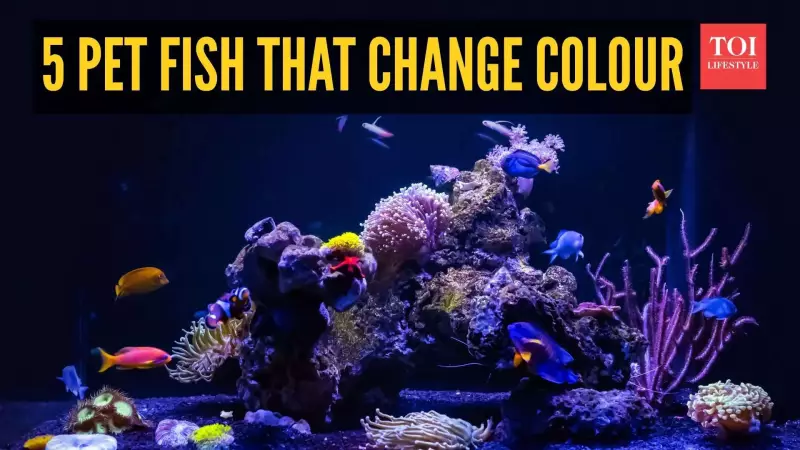
For many home aquarium enthusiasts, a curious observation often sparks concern: the fish swimming in their tank doesn't look the same as it did a few months ago. Its vibrant hues may have faded, or perhaps new shades have emerged. While this colour transformation can alarm new fish owners, it is, in fact, a perfectly normal and natural process for many species.
Why Do Aquarium Fish Change Their Colours?
Fish alter their appearance for a variety of reasons deeply rooted in biology and environment. Age is a primary factor, with many fish naturally changing shades as they mature. Their surroundings play a crucial role too; some species adapt to blend in with their habitat. Furthermore, factors like stress, overall health, diet, and water quality can significantly influence a fish's colouration. In the wild, this ability is a vital survival tool for camouflage and communication. Within the glass walls of a home aquarium, these same instinctive processes continue to unfold.
For some fish, colour is a dynamic language used to show social status or readiness to breed. For others, it's a simple barometer of their well-being. These changes are typically gradual, offering a silent narrative about the life unfolding underwater.

Five Colour-Changing Fish for Your Aquarium
Here is a closer look at five popular pet fish renowned for their ability to change colour and the specific reasons behind each transformation.
1. The Master of Disguise: Leaf Scorpionfish
The leaf scorpionfish possesses an incredible ability to adjust its colour and even texture to mimic its environment seamlessly. This natural survival mechanism helps it evade predators and ambush prey unnoticed. Their colour shift is a direct response to their surroundings, though it happens gradually. It's important to note that these are specialist fish and not typically recommended for beginner aquarists.
2. The Social Signal: Peacock Cichlids
Peacock cichlids are celebrated for their dazzling, iridescent colours. In males, these hues become most intense during courtship displays or when asserting dominance within a group. Conversely, their colours can dull noticeably if the fish is feeling stressed or submissive. These changes are powerful reflections of social and breeding biology, rather than fleeting emotions as humans understand them.
3. The Ageing Artist: Goldfish
The beloved goldfish, a calm and helpful cleaner of freshwater tanks, is also known for its colour evolution over time. This change is usually linked to age, diet, and environmental factors like light exposure and water quality. Goldfish cannot change colour at will. As they grow older, some may lose pigmentation or change shade entirely, with metallic scales sometimes giving way to more matte finishes.
4. The Health Indicator: Betta Fish
Popular for their vivid colours and flowing fins, betta fish are a favourite among beginners. Their colouration is a direct window into their condition. Stress or poor health can cause a betta's colours to become dull and washed out. However, when provided with a clean, spacious tank, high-quality food, and optimal water parameters, their brilliant colours can return and even intensify, showcasing their vitality.
5. The Slow Bloomer: Koi Fish
Koi fish, admired for their serene grace and intricate patterns, exhibit colour change as a slow, refining process. Their colours do not shift suddenly but rather become clearer, deeper, and more defined as the fish ages. A balanced diet rich in natural colour enhancers and impeccably clean freshwater are essential for helping their majestic colours reach full potential over time.
Understanding Your Fish's Changing Hues
Observing colour changes in your aquarium can be a rewarding part of fishkeeping, offering insights into your pet's life stage, health, and environment. While often natural, a sudden or drastic loss of colour coupled with other symptoms like lethargy or loss of appetite can signal health issues, often related to water quality or diet.

Disclaimer: The information provided here is for general awareness and hobbyist purposes. Fish colour changes are influenced by multiple factors including species, genetics, diet, water quality, and health. This content is based on publicly available sources and general observations and is not a substitute for professional veterinary advice.