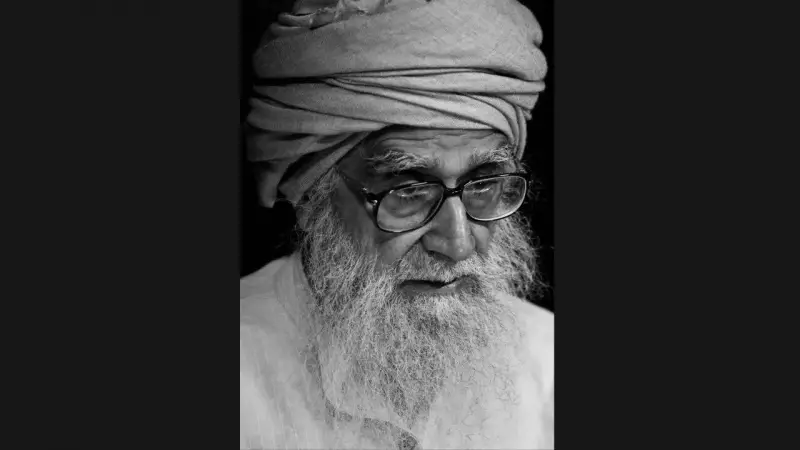
In a world often divided by conflicting views, the timeless wisdom of tolerance shines as a beacon for human harmony. Authored by the esteemed scholar Maulana Wahiduddin Khan, a profound reflection reminds us that tolerance is not an external imposition but a natural law etched into the human heart. This principle, as vital as truth and honesty, demands our unwavering commitment at all times.
Tolerance: The Mark of True Strength, Not Weakness
Tolerance is a permanent and eternal virtue, much like honesty. One does not question how long to be honest; similarly, tolerance should be embraced unconditionally as a superior merit. A person who reacts with rage and intolerance to opposition reveals a fundamental weakness. In adversity, the urge to retaliate can be powerful, and many justify their anger as a legitimate response. However, this is a mistaken illusion. True priority lies in maintaining tolerance even when faced with actions that defy our will.
The real test of character comes not in calm waters but in stormy seas. Anyone can be tolerant when there is no stress or conflict. The true superman is one who demonstrates super-tolerance in genuinely trying situations. Acts of antagonism do not grant us a license for intolerance; instead, they call for even greater forbearance than usual. It is in these extraordinary, conflict-ridden moments that a person's mettle is truly proven.

Unity in Diversity: The Inevitable Thorn with the Rose
A stark reality of life is the inevitable divergence of views at every level—from family and community to society and nation. Differences are bound to exist. The critical question is how to forge unity and harmony amidst this diversity. Some believe unity requires the complete removal of all differences, but this view is impractical. Just as you cannot have a rose without its thorns, you cannot have a society without differing opinions.
Attempting to eradicate all thorns is futile; new ones will grow. A peaceful society can only be created by fostering a spirit of tolerance towards diversities. The secret to unity lies in learning to unite despite differences, not in insisting on a uniformity that is impossible to achieve. The beauty of life's garden is enhanced when the flower of unity is accompanied by the thorn of diversity. This very disparateness is a blessing, allowing one person's strengths to compensate for another's shortcomings.
Building Character and Collective Progress Through Forbearance
Diversity of opinion is not a flaw but a positive quality with significant advantages. It plays a crucial role in building character. Being well-mannered with those who share your views shows good character, but behaving properly with those who hold divergent or critical views demonstrates excellence. Similarly, a society where everyone thinks alike and avoids controversy stagnates. Intellectual development and personal evolution thrive on the mental stimuli provided by the interaction of divergent thoughts.
Adopting a policy of tolerance in the face of controversy is a positive, proactive step. This intellectual gauntlet is essential for the development of the human psyche and personality. Tolerance prevents individuals from wasting precious time and talent on unnecessary conflicts. When you are emotionally unaffected by another's unpalatable behaviour, you retain your mental equilibrium and can continue your duties effectively. Tolerance enhances personal efficacy, while intolerance diminishes it.
Ultimately, tolerance is not an act of compulsion but a positive life principle that expresses the noble side of human character. Tolerant individuals in a society are like blooming flowers in a garden, essential for its beauty and health. By embracing this eternal virtue, we enable not just personal growth but also collective human development.