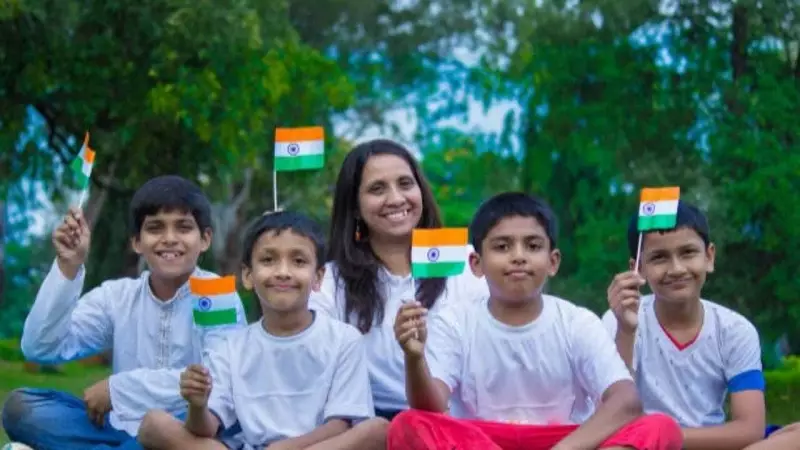
Patriotism is often associated with grand gestures like waving flags during national celebrations or commemorating historical events. However, true patriotism extends far beyond these symbolic acts. It can be cultivated through a series of small, everyday actions that demonstrate genuine love and commitment to one's nation. For parents and educators, this presents a valuable opportunity to teach children how their daily behaviors contribute to nation-building, fostering a deep sense of belonging and responsibility from an early age.
Respect the Environment: A Green Path to Patriotism
One of the most accessible ways to demonstrate patriotism is through environmental stewardship. Teaching children to clean up litter, plant trees, and conserve water instills the idea that loving one's country involves keeping it clean and green. Simple practices, such as turning off unnecessary lights or avoiding waste, reflect a sense of accountability to the nation. By recognizing that a healthy environment benefits the entire community, children develop a lifelong connection to their homeland, understanding that every small effort contributes to a better, more sustainable future for all citizens.
Follow Rules and Promote Safety: Building a Responsible Society
Patriotism is also expressed through respect for laws and guidelines that protect citizens. Educating children to observe traffic signs, listen to authorities, and adhere to societal norms helps create a safer and more responsible nation. These minor behaviors teach discipline as a form of respect for fellow citizens, showing that orderly conduct reflects esteem for both the community and the country. By internalizing these values, children learn that their actions directly impact the well-being of others, reinforcing the idea that patriotism involves collective responsibility.

Take Pride in Learning and Contributing: Education as a Patriotic Act
Patriotism can be nurtured through a child's commitment to education and community service. Emphasizing the importance of academic excellence, skill development, and participation in volunteer activities demonstrates that personal growth contributes to national progress. Involving children in school events, peer tutoring, or local initiatives gives them a sense of responsibility and national pride. This approach highlights that patriotic efforts don't require grand gestures; instead, they can be woven into daily routines through simple, consistent actions that benefit society.
Celebrate Cultural Diversity: Unity in Variety
Patriotism isn't limited to national symbols; it also involves embracing the rich diversity of a country. Encouraging children to learn about different traditions, languages, and festivals teaches the importance of unity in diversity. By appreciating the values of various communities, children learn to live harmoniously with others, fostering a love for both the country and its people. Participation in cultural events, for example, can be a powerful tool for instilling this understanding, showing that patriotism thrives in an inclusive and respectful society.
Be Honest and Responsible in Daily Life: The Foundation of Civic Patriotism
Integrity and responsibility form the bedrock of civic patriotism. Children can learn these values through everyday activities, such as returning lost items, being truthful in academics, or keeping promises. These actions help them understand the role of honesty in building a trustworthy society. By linking such behaviors to love for the country, children see that practicing patriotism is more meaningful than merely expressing it emotionally. This practical approach ensures that civic values become ingrained habits, shaping responsible citizens who contribute positively to their nation.
In summary, patriotism is a multifaceted concept that goes beyond occasional displays of national pride. Through environmental care, rule adherence, educational commitment, cultural appreciation, and personal integrity, children can develop a profound and lasting connection to their country. Parents and educators play a crucial role in guiding these small actions, transforming ordinary moments into powerful lessons in nation-building and civic duty.