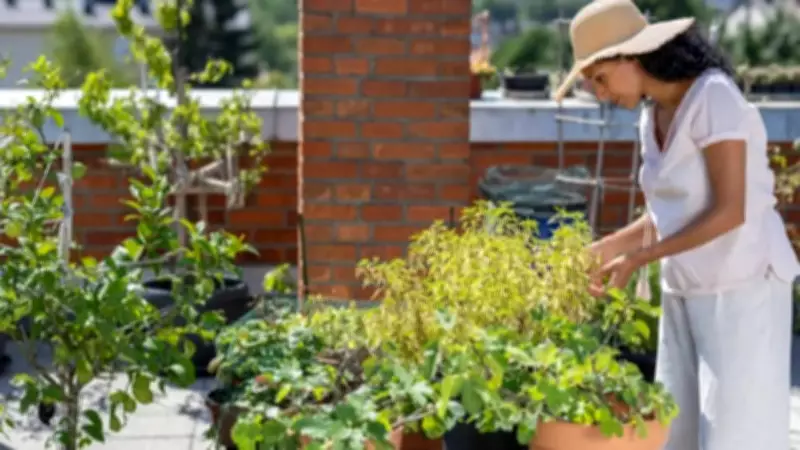
The modern urban world has its unique features associated with a fast-moving pace, stress, and hectic routines that deprive people of the natural peace and serenity they once had. Terrace gardens can be viewed as a way of bringing some nature close. People who are keen on gardening might consider installing their terrace gardens in order to plant fresh vegetables, herbs, flowers, or any other plants they want. Although many people think that establishing such a garden might be challenging, it is not as difficult as it sounds if approached properly. Seven basic guidelines for a successful creation of a terrace garden are listed below.
Assess Your Terrace Conditions
As a first step, it is essential to analyze the amount of sunlight in your terrace since most plants require at least 5-7 hours of direct sunlight daily. Additionally, you should take note of wind exposure in the area and possible space allocation for pots or beds. This information will help in selecting appropriate plant species and designing an effective layout of the garden.
Get Appropriate Planting Containers
Various containers are required for plants to grow in terraces. Containers can be different types, such as pots, grow bags, recycled boxes or wooden crates, as long as there are drainage holes present. Larger containers are recommended for larger plants because the depth of the hole should correspond to the plant's root system. Proper drainage is vital since excessive watering leads to root rot.

Prepare Soil Mix in Advance
Good quality of soil will contribute to healthy plants. The combination of garden soil, compost, and coco peat or sand will provide for proper drainage of excess water. Compost will add nutritional value to the soil, while coco peat helps to retain moisture. It is preferable to avoid soils with heavy texture because they may impede the growth of the root system.
Start with Easy-to-Grow Plants
It is recommended to start your terrace garden with plants that do not need special care. Such herbs as mint, coriander or basil are an ideal choice along with vegetable plants including tomatoes, chillies, and spinach. As these plants grow rapidly and have moderate care requirements, they can be easily managed even by beginners.
Water Your Plants Appropriately
Proper watering of plants is crucial for healthy plants' development because either overwatering or underwatering is harmful. Therefore, it is vital to ensure that soil remains moist without getting soggy. Early morning or evening times can be selected for watering since the evaporation process slows down at these times. It is advisable to water plants according to a regular schedule and control the level of soil moisture.
Supplement Your Plants with Natural Fertilizers
Plants usually require a constant supply of nutrients that get depleted from the soil with each watering. Therefore, it is recommended to fertilize plants every few weeks. Fertilizers of organic origin, such as compost, vermicompost, and kitchen waste, can be used for adding nutrition to plants.
Care for Your Plants and Maintain Them
Maintenance of your plants plays a significant role in their healthy growth and productivity. Pests and diseases are typical problems that can occur in your plants' growing period. However, there are various ways of treating the plants with natural products, such as neem oil. Moreover, timely pruning of the plants and removing dried leaves will stimulate the development of fresh foliage.