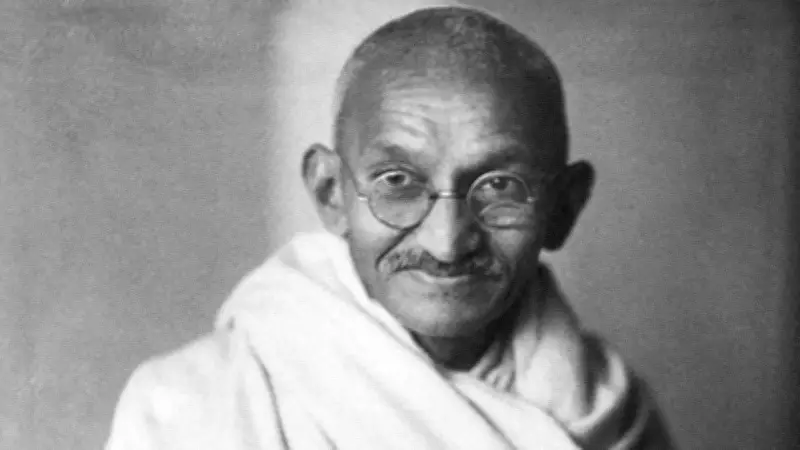
Mahatma Gandhi's Timeless Wisdom: A Guide for Young Minds
The inspirational words of great leaders often carry lessons that remain relevant across generations. One such enduring message comes from Mahatma Gandhi: "Be the change that you wish to see in the world." This powerful quote, when examined in the context of children's development, offers profound guidance that can shape them into responsible citizens and future leaders.
Understanding the Core Message
This quote teaches children a crucial life lesson: rather than waiting for others to make the world a better place, they can initiate positive change themselves. Many children believe that only adults or people in positions of authority can create meaningful impact. However, Gandhi's wisdom empowers them to recognize their own agency, regardless of their age or circumstances.
Change Begins with Personal Actions
The fundamental teaching here is that transformation starts with our own behavior. Children can implement this philosophy through simple, everyday actions:

- Offering help to someone in need
- Speaking kindly and respectfully to others
- Maintaining cleanliness in their surroundings
- Practicing honesty in their interactions
These seemingly small gestures create ripple effects that encourage others to follow similar positive behaviors, gradually building a more compassionate community.
The Power of Leading by Example
One of the most valuable lessons children can extract from this quote is the importance of leading through action rather than words. Instead of telling others what they should do, children learn to demonstrate desired behaviors through their own conduct. This approach proves particularly effective in teaching values like kindness, empathy, and responsibility.
Small Changes Create Significant Impact
Children might underestimate the importance of their individual actions, believing their contributions are too minor to matter. Gandhi's philosophy counters this notion by emphasizing how small changes accumulate into substantial transformation. A single kind word can brighten someone's entire day, while a helpful act can inspire others to pay forward the goodwill. When children understand this multiplicative effect, they gain confidence in their ability to contribute positively to their world.
Developing Responsibility Toward Others
This teaching also fosters a sense of responsibility toward both people and the environment. Children learn to consider how their actions affect:
- Family members and elders
- Peers and classmates
- Their natural surroundings
- The broader community
This awareness helps cultivate mindful citizens who understand their role in creating harmonious relationships and sustainable environments.
Building the Future Through Present Actions
Ultimately, Gandhi's message encourages children to actively participate in creating the future they desire. Rather than passively waiting for change, they learn that the world they envision—characterized by kindness, honesty, and mutual respect—can be built through their daily choices and behaviors. By embodying these values, children become role models who contribute to shaping a more positive society.
The enduring wisdom of Mahatma Gandhi continues to offer valuable guidance for young minds. By embracing the principle of being the change they wish to see, children develop not only personal character but also the capacity to influence their communities positively. This lesson remains as relevant today as when it was first spoken, providing a foundation for responsible citizenship and ethical leadership.