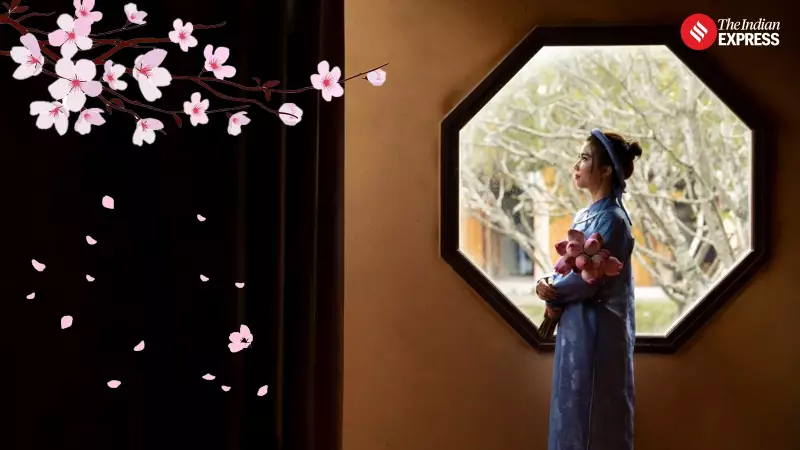
In an era dominated by digital noise, relentless self-promotion, and the constant pressure to acquire more, a centuries-old Japanese concept offers a refreshing path to authenticity. Known as Iki, this philosophy, which blossomed in the streets of Edo-period Japan, champions subtle elegance, simplicity, and a deep sense of individuality. For modern Indians navigating a fast-paced, often chaotic world, Iki presents a powerful antidote to the culture of excess.
What Exactly is Iki? Beyond Simple Translation
The term Iki (粋) resists a perfect English translation, elegantly occupying the space between cool sophistication, understated elegance, and tasteful simplicity. Its origins are rooted in the merchant class of the Edo era, who cultivated a refined and quiet confidence that transcended their formal social standing. Crucially, Iki is not about being flashy or seeking validation. It is the art of not trying too hard, yet leaving a profound and lasting impression. It embodies confidence without arrogance, beauty without heavy embellishment, and style that feels innate rather than performed.
This is not an aesthetic reserved for the wealthy or famous. The true power of Iki lies in its accessibility. It is a sensibility—a way of moving through the world with grace, intention, and self-awareness. In a landscape saturated with loud trends, Iki's quiet power reminds us that originality doesn't need to shout.
Iki in Action: From Personal Style to Daily Interactions
Understanding Iki is best achieved by seeing its principles applied in everyday life. It's a holistic approach that influences how one presents oneself, communicates, and inhabits space.
In Personal Style: Imagine someone dressed not for the runway, but for themselves. A crisp, well-fitted cotton kurta or shirt, paired with simple, quality trousers or a saree draped with effortless grace. The focus is on fit, fabric, and personal comfort over loud logos or fleeting trends. The style feels timeless and authentically 'them.'
In Conversation and Demeanour: An individual with Iki speaks with purpose and listens with genuine attention. They are comfortable with pauses and silence, understanding that not every moment needs to be filled with words. Their emotional steadiness is notable—they carry themselves with a calm composure, reacting to situations without unnecessary drama, which naturally commands respect.
In Design and Living Spaces: An Iki-inspired home in Mumbai or Delhi isn't just minimally empty; it is thoughtfully curated. It breathes. Clean lines, natural light, a single beautiful plant, and a few meaningful objects replace clutter. The space feels calm, grounded, and reflects the inhabitant's true self, free from decorative items chosen merely for show.
How to Cultivate Iki in Your Indian Lifestyle
Integrating Iki is a conscious practice of editing and refining, moving away from external validation towards internal alignment. Here are practical steps to begin.
Curate Your Wardrobe Thoughtfully: Move beyond fast fashion. Invest in fewer, higher-quality pieces that make you feel genuinely confident and comfortable. Whether it's a handloom saree, a well-tailored jacket, or perfect jeans, choose items that reflect your personality without needing an explanation.
Embrace Intentional Communication: Practice speaking less but meaning more. This applies to social media posts, WhatsApp messages, and in-person chats. Let your words carry weight by choosing them carefully and allowing others the space to absorb them.
Declutter with Purpose: Tidy your physical and digital spaces. This isn't about stark minimalism, but about removing distractions and keeping only what is useful, beautiful, or sentimentally valuable. A clear space fosters a clear, calm mind.
Cultivate Emotional Poise: Iki is not about suppressing emotions but about managing your reactions with grace. It's the practice of responding rather than impulsively reacting, maintaining your composure even in challenging situations.
Ultimately, Iki is not a passing trend but a timeless philosophy. It is a commitment to moving through life with quiet confidence, appreciating subtlety, and honoring one's unique individuality. By embracing Iki, you not only enhance your own sense of peace and authenticity but also contribute to a more thoughtful, less performative world around you.