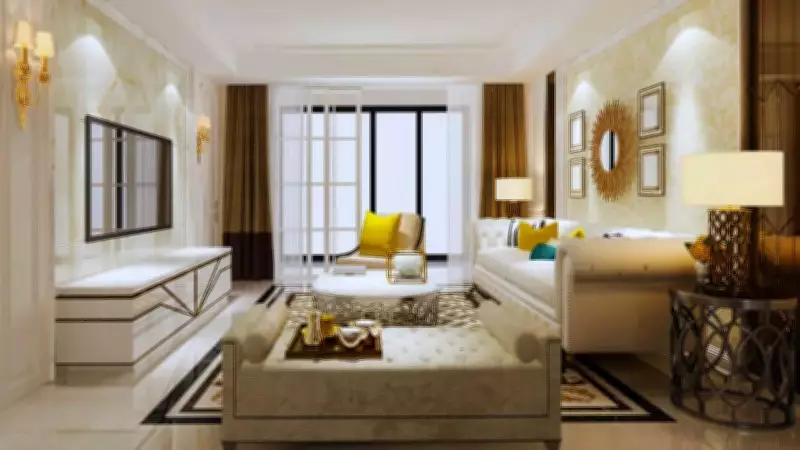
The Rise of Customization in India's Luxury Residential Market
In India's rapidly expanding luxury residential sector, customization has emerged as the fundamental cornerstone of true luxury, transforming how high-net-worth individuals perceive and inhabit their homes. Today's affluent homeowners are no longer satisfied with mere habitation; they seek residences that serve as profound expressions of their unique personality, lifestyle aspirations, and enduring legacy. Amidst the dynamic urban landscape, discerning consumers are actively rewriting the very definition of luxury, moving away from ostentatious displays of wealth toward meaningful, purpose-driven design that emphasizes bespoke craftsmanship and personal narrative.
Customization as the Essence of Modern Luxury
Customization has evolved from an optional enhancement to the very bedrock of luxury living, according to industry experts like Sunil Suresh, Founder and Promoter of Stanley Lifestyles Limited. Every aspect of the living space—from raw materials and textures to spatial planning and architectural flow—must be meticulously tailored to align with the homeowner's vision and daily life. This shift reflects a broader trend in the luxury residential market, which is increasingly design-driven and influenced by both global sensibilities and India's deep cultural affinity for personal legacy. Interior design now resembles chapters in a personal story rather than pages from a generic catalogue, creating homes that are truly unique.
Furniture as an Integral Architectural Element
Luxury interiors are now curated with bespoke furniture that functions as an essential part of the architecture itself. Standalone pieces are giving way to design-led elements that anchor spaces, harmonize with architectural rhythms, and enhance spatial flow. Custom-made sofas, cabinets, and other furnishings serve dual purposes, such as acting as room dividers to create smoother transitions between areas. This integration ensures that furniture becomes part of the overall grammar of the space, with developers and designers collaborating closely during the planning phase to reinforce architectural intent rather than obstruct it.

Materiality and Craftsmanship: Markers of Sophistication
Sophistication in luxury homes is increasingly defined by material discernment, prioritizing tactile richness and enduring quality over mere flamboyance. High-net-worth consumers favor advanced finishes, refined grains, and nuanced textures that reveal their character over time, fostering a minimalist yet lasting sense of luxury. These materials are chosen for their sensory depth—such as subtle grain variations that interact with light or inherent durability for generational use—creating interiors that mature gracefully with habitation.
Contemporary craftsmanship emphasizes precision over abundance, with perfect junctions, hidden mechanisms, and balanced proportions showcasing skilled artisanship. This restrained approach allows craftsmanship to be felt intuitively rather than seen overtly, aligning with the modern luxury mindset. Artisans employ advanced techniques and technology to achieve near-invisible perfection, resulting in creations that withstand both time and scrutiny. For affluent buyers, this level of accuracy reflects their own pursuit of refinement and excellence in a fast-paced world.
Design-Led Brands as Creative Collaborators
In the luxury home ecosystem, modern furniture brands have transitioned from mere suppliers to strategic design collaborators. Leading architects, interior designers, and homeowners now partner with brands that understand spatial intent, material synergy, and visionary longevity, co-creating consistent narratives from concept to installation. These collaborations extend beyond product provision, offering intellectual capital and insights on how furniture can harmonize with architecture and adapt to evolving consumer needs. They prioritize both form and function, incorporating smart integrations and sustainable practices to ensure relevance for years to come.

Cohesive Systems Over Singular Statements
The future of luxury interiors is shifting toward consistency rather than contrast, with unified furniture systems across dining, living, and storage areas creating visual continuity and a sense of calm. A system-based approach employs shared elements—such as uniform finishes, modular adaptability, and rhythmic motifs—to reduce visual clutter and enhance psychological comfort. This allows spaces to evolve with life stages without requiring complete replacement, offering adaptable environments that support long-term living.
Luxury Defined by Thoughtful Living
Ultimately, luxury is being redefined by thoughtful living—spaces that balance aesthetic sophistication with comfort, simplicity, and seamless functionality. In India's dynamic market, where trends shift rapidly, high-net-worth consumers lead busy lives and expect their homes to provide an ideal blend of efficiency and leisure. Design-driven customization empowers these homeowners to shape their living experience, creating environments that support unwinding in spacious lounges, organizing multigenerational households with simple storage, and fostering mindful practices. This holistic approach ensures that luxury homes are not just visually pleasing but deeply resonant with the lives they encompass.