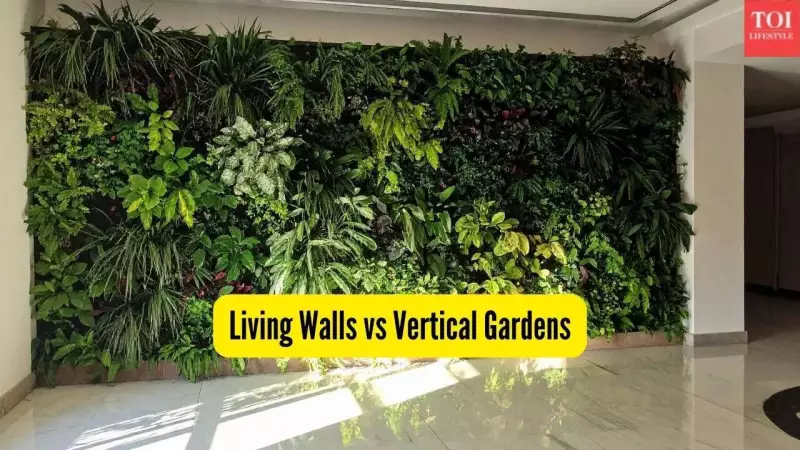
Vertical Gardens vs Living Walls: Understanding the Green Divide
Modern living spaces have transformed dramatically. Apartments and flats dominate city landscapes, pushing homes upward rather than outward. This architectural shift has sparked a green revolution with two popular concepts: living walls and vertical gardens. Many people use these terms interchangeably, but they represent distinct approaches to bringing nature indoors.
What Exactly Are Vertical Gardens?
Vertical gardens offer a simple solution for growing plants upward instead of across the ground. This approach uses wall-mounted pots, hanging planters, or do-it-yourself structures to create greenery in limited spaces. These gardens are typically lightweight and straightforward to install, making them perfect for balconies, terraces, or small apartments with decent light exposure.
The popularity of vertical gardens stems from their accessibility. Most installations require no professional help, and maintenance remains simple with manual watering and easy plant replacement. The entire setup can be modified or removed without damaging walls, which makes vertical gardens ideal for renters. You can grow herbs, flowering plants, or even small vegetables in these versatile arrangements.

The Advanced World of Living Walls
Living walls represent a more sophisticated approach to vertical greenery. Often called green walls, these are engineered systems with plants growing within specially designed structures attached directly to wall surfaces. A proper living wall requires waterproof backing, specific growing medium, built-in drainage, and frequently includes automated irrigation systems.
These installations create continuous green surfaces that function as permanent architectural features. You'll find living walls in luxury apartments, corporate offices, hotels, and high-end residential projects. Beyond their aesthetic appeal, research indicates well-designed living walls can significantly improve indoor air quality and help reduce noise levels.
Key Differences That Matter
Maintenance Requirements
Maintenance presents the most significant distinction between these two green solutions. Vertical gardens demand simple care that most people can handle themselves. Living walls often require professional planning and regular technical maintenance to prevent issues like water leakage or wall damage.
Cost Considerations
The initial investment for a living wall is substantially higher than for a vertical garden. Vertical gardens offer budget-friendly options with minimal ongoing maintenance costs, while living walls represent a more significant financial commitment.
Choosing What's Right for Your Space
The decision comes down to your specific needs and circumstances. If you want an affordable, beginner-friendly way to add greenery to limited space, vertical gardens provide the perfect solution. For those seeking a permanent, long-term installation with greater visual impact, living walls offer sophisticated results at higher investment levels.
Remember this simple distinction: all living walls are vertical gardens, but not all vertical gardens qualify as living walls. Your choice ultimately depends on how much beauty and permanence you want to incorporate into your living or working environment.