A winter stroll through Jaipur is a feast for the senses, where the crisp air and majestic architecture naturally lead to a craving for something sweet. Recently, a dedicated food exploration, organized by travel curator Breakaway in partnership with The Kindness Meal initiative, peeled back the layers of the Pink City's famed mithai culture. This nearly three-hour trail, starting near Hawa Mahal and meandering through the historic lanes of Johri Bazaar and Chaura Rasta, uncovered a treasure trove of lesser-known local desserts and their rich histories.
Royal Roots and Winter Warmers
The journey revealed that many of Jaipur's traditional sweets have origins either in the royal kitchens of past rulers or were crafted as nourishing treats to fight the winter chill. It's no surprise that ingredients like jaggery, peanuts, sesame, and ghee form the backbone of this repertoire. Some shops, however, go a step further by incorporating unexpected, health-boosting elements.
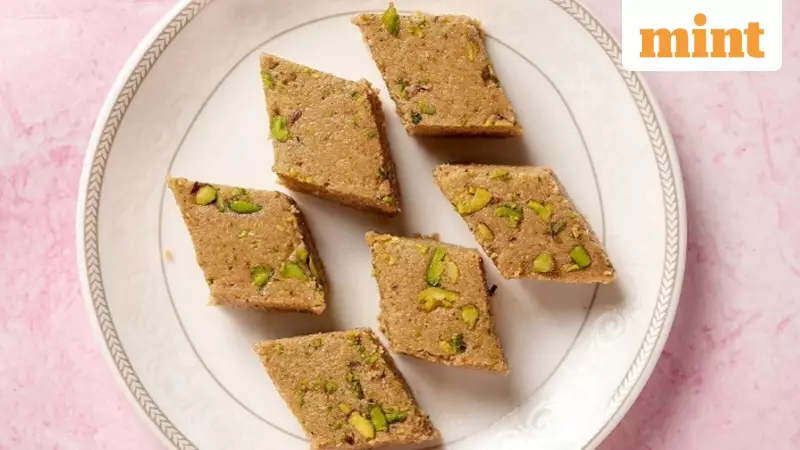
At the 115-year-old Sambharwala Sweets in Haldiyo ka Rasta, sweets are infused with methi (fenugreek seeds) and aloe vera. A staff member explained that their methi ladoo—a blend of wheat flour, jaggery, crushed methi, and gond (edible resin)—was traditionally homemade to generate body warmth and support joint health. He traced the lineage of such medicinal confections back to the 18th century, during the reign of Maharaja Sawai Jai Singh II. "It is believed that royal confectioners collaborated with Ayurvedic experts to create strength-giving balwan and vardan ladoos for soldiers," he shared.

Hidden Gems and Seasonal Specialties
Another unique find is the gwarpathe, or aloe vera ladoo, available at Laxmi Misthan Bhandar. This soft, fudgy sweet, made from aloe puree, black pepper, almonds, and cashews, offers a distinct bittersweet flavor. It is traditionally consumed at breakfast with a cup of hot milk, sometimes infused with ginger or turmeric.
For a perfect mix of nutrition and indulgence, locals turn to til patti. This thin, rice-paper-like sheet is crafted from roasted sesame and jaggery and is believed to have originated in Beawar, Rajasthan, for the harvest festival of Makar Sankranti. "It’s a symbol of goodwill, prosperity, and the beginning of a new season," explains Dipali Khandelwal, founder of The Kindness Meal. She recommends Ishwarji Gajak Wale in Chaura Rasta, a shop operating since 1956, for the finest version, which also boasts over 50 varieties of gajak.
The Art of Fini and a Timeless Delicacy
For the ultimate indulgence, fini is the real deal. While its ingredients mirror those of ghevar, the technique is what sets it apart. At Sambhar Fini Wala, a Johri Bazaar favorite for over 60 years, the process is an art. Small dough portions are coated in a ghee-flour mixture, then painstakingly pulled into thin rings and folded repeatedly to create ultra-fine, vermicelli-like strands. "People often ask for a crisper bite now, but traditionally fini was loved for its softness. We still coat it in sugar syrup right after frying," says third-generation member Luv Rawat, whose family continues the practice of storing the freshly made fini in earthen pots overnight.
While many sweets are seasonal, one Jaipur delicacy is enjoyed year-round: the kesar pista makhan at the 70-year-old Gulab Chand Dairy in Chaura Rasta. A generous dollop of freshly churned buffalo-milk butter, served on dried leaves, is fragrant with saffron and pistachio and finished with the crunch of mishri (rock sugar). As one awaiting customer aptly put it, "It melts in your mouth and carries the warmth of Jaipur’s hospitality. A taste of the city is incomplete without this."