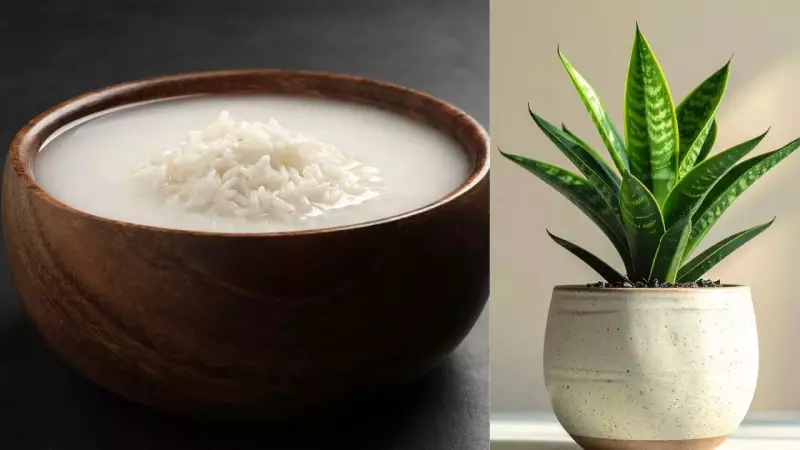
That cloudy, starchy water left after rinsing or boiling rice is often seen as waste. But before you pour it down the sink, consider this: it's a treasure trove of nutrients waiting to be used in your home garden. This simple kitchen byproduct can be transformed into an effective, completely free fertiliser, especially for hardy houseplants like the snake plant.
Why Snake Plants Thrive on Rice Water
Known scientifically as Dracaena trifasciata, snake plants are celebrated for their durability and ability to survive with minimal care. They tolerate low light, irregular watering, and various indoor conditions. However, like all living things, they benefit from essential nutrients for optimal health.
Rice water provides a mild, natural source of key elements. It contains traces of nitrogen, potassium, and phosphorus – the primary macronutrients crucial for plant growth. More importantly, it is rich in carbohydrates. These sugars act as food for the beneficial microbes in the soil. A thriving microbial community enhances soil structure and helps make nutrients more available to the plant's roots, promoting stronger and healthier growth.

Scientific Backing and Practical Application
Research supports the benefits of this practice. A study published on MDPI found that applying rice wash water to soil in the early stages of a plant's life cycle significantly boosted nutrient content and microbial activity. While this specific study wasn't conducted on snake plants, the results strongly suggest that rice water can be a beneficial soil amendment when used correctly and in moderation.
The key is restraint. Rice water should be used as an occasional supplement, not a replacement for regular watering. For a snake plant, applying it once every few weeks is sufficient. Overuse can disrupt the soil's natural balance and potentially lead to odours or root issues.
How to Prepare and Use Rice Water: 3 Simple Methods
You don't need any special skills to make this plant tonic. Here are three straightforward ways to collect it:
- The Rinsing Method: The easiest way is to save the water from rinsing rice before cooking. Simply place a bowl under your colander to catch the opaque liquid.
- The Boiling Method: If you cook rice in excess water (like pasta), you can drain and cool the leftover starchy water after the rice is done.
- The Soaking Method: You can also soak a small amount of rice in water for 20-30 minutes and then strain the water for use.
To Ferment or Not to Ferment? Some gardeners prefer to ferment rice water to increase its microbial content. To do this, store the collected rice water in a sealed container at room temperature for three to nine days. Once fermented, it's crucial to dilute it with an equal part of fresh water before using it on plants to avoid shocking them with a too-concentrated solution. Use non-fermented rice water within a day or two.
By giving this common kitchen waste a second life, you not only reduce waste but also provide your resilient snake plant with a gentle, natural boost. It’s a perfect example of a sustainable, zero-cost hack for greener living.