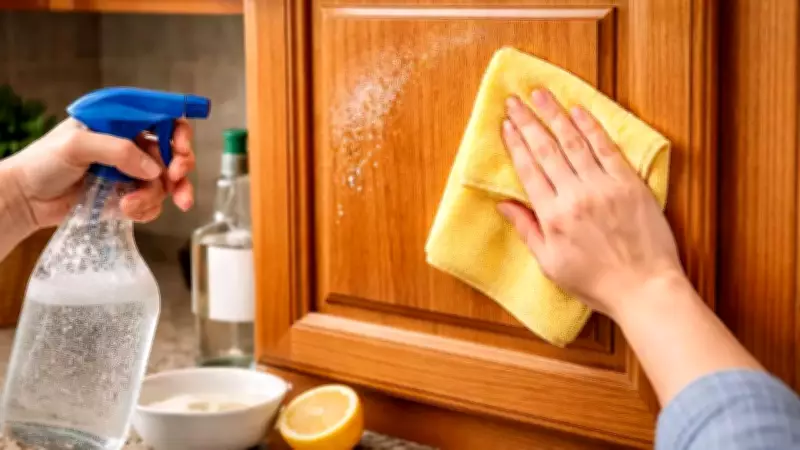
The Challenge of Grease on Wooden Kitchen Cabinets
Wooden kitchen cabinets offer timeless aesthetic appeal, but they present a unique cleaning challenge when it comes to grease accumulation. Over time, cooking fumes, airborne oils, and dust particles combine to form a stubborn layer that dulls the wood's finish and creates a grimy texture. This buildup is particularly problematic because wood cabinets, despite their sturdy appearance, have a delicate surface finish that can be easily damaged by improper cleaning methods.
Why Grease Accumulates on Wooden Surfaces
Kitchen cabinets are constantly exposed to airborne grease particles generated during cooking processes. These microscopic grease droplets eventually settle on cabinet surfaces, where they mix with dust, moisture, and fingerprints. This combination creates a sticky substance that becomes increasingly difficult to remove if left untreated. While areas near stoves experience the heaviest buildup, even cabinets located further away can develop a dull, greasy appearance over time.
Gentle Cleaning Approaches for Wood Cabinets
When addressing grease on wooden cabinets, always begin with the least aggressive cleaning method available. A simple solution of dish soap and warm water typically proves sufficient for dissolving grease deposits. Lightly dampen a soft cloth or sponge with this mixture and gently wipe affected areas, allowing the solution to break down the grease rather than scrubbing aggressively.

Essential Tips for Effective Grease Removal
Moisture Control During Cleaning
One of the most common mistakes in wood cabinet cleaning involves excessive water usage, which can seep into the finish and damage the wood beneath. Always use a damp cloth rather than a wet one, and immediately dry each cleaned section with a clean microfiber cloth. This approach prevents moisture from lingering on the surface and causing potential damage.
Vinegar for Stubborn Grease Deposits
For more persistent grease buildup, adding a small amount of white vinegar to your cleaning solution can enhance effectiveness. The mild acidity of vinegar helps break down stubborn grease layers. However, always test vinegar solutions on an inconspicuous area first, as different wood finishes may react differently to acidic substances.
Separate Cleaning for Hardware Components
Cabinet handles, knobs, and hinges often accumulate significant grime, especially in high-traffic areas. Clean these components separately using soapy water and a soft cloth. For metal hardware that has lost its shine, appropriate metal polish can restore luster. Pay special attention to hard-to-reach areas around hinges and joints.
Restoring Shine and Preventing Future Buildup
After thorough cleaning, cabinets may appear clean but lack their original luster. Applying a light conditioning treatment can enhance their appearance. Mineral oil or specialized wood polish applied sparingly can help, but avoid excessive application as residue can attract more dust and grease, counteracting your cleaning efforts.
Common Cleaning Mistakes to Avoid
Avoid harsh chemical cleaners, abrasive materials, and aggressive scrubbing, as these can permanently damage wood finishes. Another frequent error involves failing to properly dry cabinet surfaces, which can lead to water spots and potential wood damage over time.
Preventive Maintenance Strategies
Regular maintenance significantly reduces grease accumulation difficulties. Implement light cleaning at regular intervals, particularly in high-use areas near cooking surfaces. Periodically wiping cabinets with a slightly damp cloth and immediately drying them helps maintain their appearance and prevents stubborn buildup from developing.