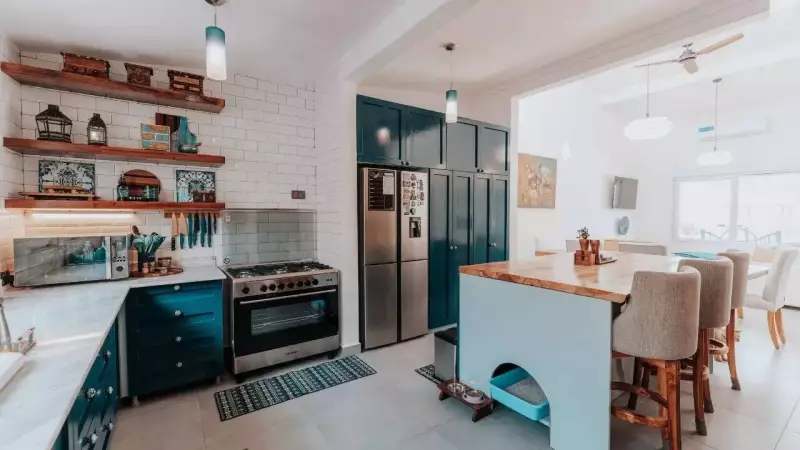
The year 2026 represents a fresh start for home design. People have grown tired of fleeting trends. They now seek clarity, stability, and purpose in their surroundings. This movement focuses on creating spaces that hold genuine meaning. Every item in the home should have a reason to stay and share our living environment.
Defining Purpose-Driven Design
Purpose-driven home design prioritizes convenience and utility above all else. It transforms living areas to serve multiple functions effectively. Imagine a living room that doubles as a home office. Picture an open kitchen that also serves as a dining space. These are classic examples of purpose-driven design.
Reading corners provide quiet retreats. Multi-purpose furniture saves space and adds functionality. Green corners bring nature indoors, enhancing aesthetics and well-being. Such homes may not always look fancy, but they always serve solid, practical purposes.

The Power of Restrained Purchases
When every piece must serve a purpose, restraint becomes instinctual. This approach values quality over quantity. It focuses on acquiring singular, statement pieces that carry meaning. Instead of buying color-coordinated sets or seasonal collections, people choose one meaningful item at a time.
This method makes the home feel collected over years, not decorated overnight. It creates breathing space within rooms. There is always room for new additions—perhaps a special gift or a family heirloom—to blend seamlessly into the existing space.
Designs That Reflect Lifestyle
Purpose-driven homes mirror how people actually live. Urban homes, even with limited space, celebrate designs that respond to specific lifestyles. A large sectional sofa makes perfect sense for someone who frequently hosts friends. A kitchen counter transformed into a bar unit suits those who enjoy weekend parties.
Families might install louvers on balconies for festive decorations. Young parents may choose sensory rugs to stimulate their children. Every design decision aims to make daily life easier and more fulfilling.
Focusing on Wellness at Home
When wellbeing becomes the central purpose, homes accommodate activities beyond the everyday routine. Yoga zones might require more verandas or south-facing windows to capture sunlight. Saunas could alter bathroom layouts to create spa-like retreats. Zen gardens offer peaceful exits from private living rooms.
Wellness manifests in both small and large details. Incense sticks and wind chimes introduce aromatherapy and feng shui principles. Eco-friendly textiles and supportive floor cushions promote better health and posture. Wellness is fundamentally changing our concept of personal space.
Integrating Functional Workspaces
The pursuit of work-life balance brings professional elements into the home. Height-adjustable desks and ergonomic chairs become essential. Partition bookcases and informal meeting setups help separate work from personal life during office hours.
Dedicated coffee stations enhance break times. Makeshift workshop tables encourage creative pauses. Quiet rooms boost productivity. Hidden storage solutions manage office supplies discreetly. Smart lighting, motion sensors, and motorized blinds prioritize convenience, making efficient work from home truly possible.
Spaces That Tell Personal Stories
Purpose-driven design also involves storytelling through decor. Spaces communicate through colors, textures, and craftsmanship. A handmade clay pot from a distant trip, a grandmother's brassware collection evoking childhood memories, or an organic-dyed kalamkari textile recalling homeland roots—these items add tangible, emotional layers to modern homes.
Such sentimental pieces ground the home in personal history. They transform living spaces into narratives of individual journeys and family heritage.