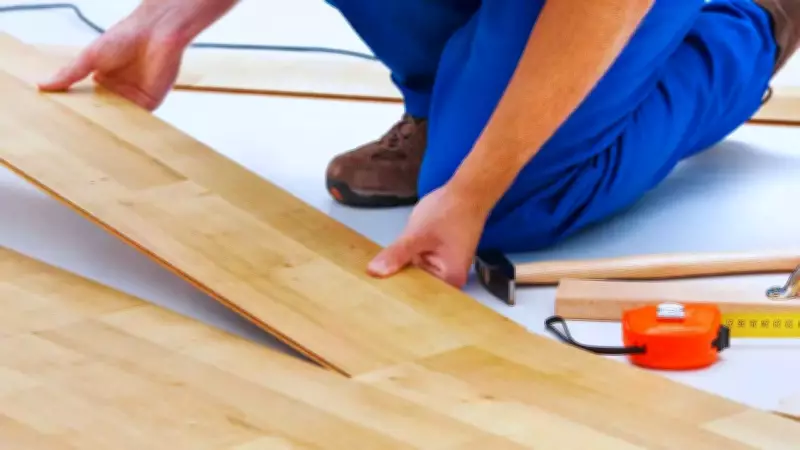
Laminates have become an integral component of contemporary interior spaces, finding applications across kitchens, wardrobes, workspaces, and commercial environments. Their widespread presence, however, often leads to a narrow perception—they are frequently viewed merely as surface finishes rather than comprehensive material systems that significantly impact performance, longevity, and daily user experience.
The Engineered Foundation of Modern Interiors
In practical terms, laminates play a defining role in determining how interiors age, respond to daily wear and tear, and maintain consistency over extended periods. Through extensive engagement with designers, fabricators, and homeowners, one fundamental insight has consistently emerged: well-informed material selections directly contribute to creating superior living and working environments. Understanding laminates, therefore, transcends being merely a design starting point—it establishes a foundational approach for developing interiors that genuinely endure.
A Product of Precision Engineering
A laminate represents the culmination of controlled manufacturing processes, achieved through meticulous bonding of multiple layers under calibrated pressure and temperature conditions. Each layer serves a specific purpose—providing structural stability, defining visual characteristics, and ensuring surface protection. When engineered correctly, this layered construction delivers remarkable consistency across seasonal changes, varying humidity levels, and sustained daily usage.

This predictability ensures that interiors maintain their finish, alignment, and functionality over time, ultimately creating spaces that continue performing as intended long after initial installation. Tushar Verma, EVP India & Subcon at REHAU India, emphasizes that this engineering excellence transforms laminates from simple coverings into performance-oriented material systems.
Evolving Beyond Traditional Design Limitations
Contemporary laminates showcase a significantly broader and more refined design vocabulary than their predecessors. The category has expanded to include subtle neutrals, mineral-inspired tones, composed matte finishes, tactile surfaces, and glass-like aesthetics that integrate seamlessly into modern spaces.
Designers increasingly recognize laminates as deliberate design choices rather than default options. They have evolved into materials offering clarity and visual restraint amidst the sometimes overwhelming noise surrounding interior design philosophies. Rather than merely imitating other materials, modern laminates express their own distinct character, enabling interiors to feel balanced, composed, and thoughtfully resolved.
Demonstrating Strength Through Durability
Durability stands as one of the most defining strengths of well-engineered laminates. These surfaces are specifically designed with everyday use in mind—whether in kitchens handling heat and moisture, wardrobes experiencing regular movement, or commercial spaces demanding consistent performance at scale.
Advanced laminates are engineered to resist scratches, stains, and fading while maintaining color stability and surface integrity over extended periods. Their ability to remain flat, composed, and visually consistent makes them dependable choices for both residential environments and large-scale projects. This reliability provides essential clarity throughout planning and execution phases, ensuring interiors perform as intended year after year.
Prioritizing Hygiene and Safety Standards
In recent years, heightened awareness has made people more conscious about their immediate surroundings, particularly in homes. Surfaces in kitchens and storage areas are touched daily, making hygiene considerations paramount. High-quality laminates are nonporous—they do not absorb moisture or encourage fungal and bacterial growth.
Responsible manufacturing practices now focus on eliminating harmful substances from surface materials. This shift represents a deeper transformation in how people perceive interiors. Today, surfaces are expected not only to look appealing but also to support wellbeing quietly and consistently.

Practicality That Respects Real-Life Demands
The core reason laminates have maintained relevance across decades lies in their inherent practicality. They are easy to fabricate, adaptable across diverse applications, and remarkably simple to maintain. Often, a clean cloth and basic care suffice to keep them looking presentable.
This ease of maintenance proves especially valuable in Indian homes, where interiors experience full and active daily use. Laminates inherently understand this rhythm of life, which explains their continued preference across generations.
Embracing Sustainability in Manufacturing
The conversation surrounding materials has matured significantly. Longevity now matters as much as appearance, prompting manufacturers to invest in cleaner processes, responsible sourcing, and waste reduction initiatives.
Laminates that last longer and age gracefully naturally require fewer replacements, thereby reducing their environmental impact. This approach treats sustainability as a practical outcome rather than merely a marketing statement. When materials perform well over extended periods, they contribute quietly to creating more responsible interior ecosystems.
Laminates have endured because they adapt without losing their fundamental purpose. They respond to evolving design sensibilities, changing lifestyles, and heightened expectations regarding quality and safety. They enable designers to plan confidently and homeowners to invest wisely. When selected thoughtfully, laminates can become among the most dependable elements in any interior space.