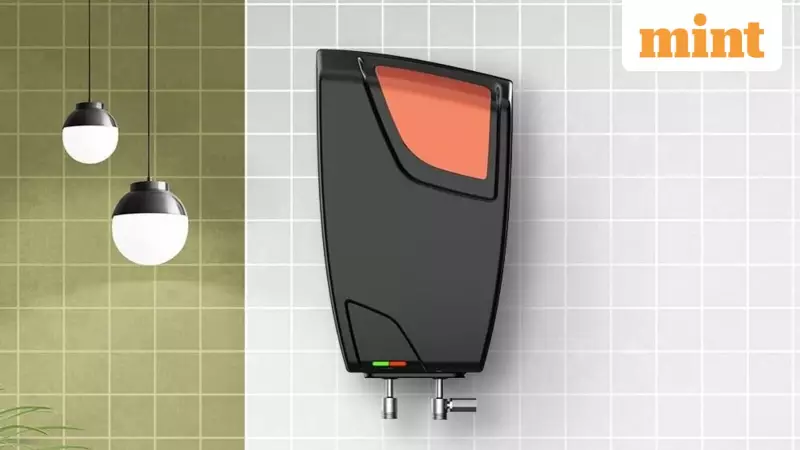
Navigating the Challenges of Small Bathrooms
Small bathrooms present very real limitations. Wall space is tight. Ventilation is often poor. Every fixture must earn its place. In such settings, many people see an instant water heater as a convenient solution. However, convenience alone is not enough. Performance, safety, usability, and suitability for compact spaces matter far more than brand names or flashy features.
How Instant Water Heaters Work
Instant water heaters operate differently from storage models. They heat water only when required. This delivers hot water on demand without storing it in a tank. For small bathrooms, this design offers both advantages and challenges. The key is not the promise of instant hot water. It is how reliably and safely the heater performs within limited space and daily usage patterns.
Heating Performance and Realistic Expectations
One common misunderstanding about instant water heaters relates to output. These heaters do not store hot water. Temperature stability depends entirely on power rating and water flow.

In small bathrooms, people usually pair instant heaters with bucket baths or low-flow showers. This works well when expectations are realistic. A higher wattage model heats water faster. It maintains temperature more consistently. However, it also draws more power. Lower wattage units may struggle during colder months. They can falter when the inlet water temperature drops significantly.
Flow rate plays a critical role. Reducing water flow allows the heater to deliver hotter water. A higher flow reduces temperature. For compact bathrooms, controlled flow often works better than chasing higher power ratings. A heater that supports stable heating at modest flow is more useful. It outperforms one that overheats briefly and then fluctuates.
Temperature control mechanisms also matter. Models with simple rotary controls or stepped temperature settings are easier to manage. Digital displays can overcomplicate adjustment. In a small bathroom, quick and predictable control is more practical. Precision settings that require frequent tweaking are less desirable.
Safety, Electrical Compatibility, and Installation Limits
Safety becomes even more critical in compact bathrooms. Moisture exposure is unavoidable here. An instant water heater must be designed specifically for bathroom installation. It should not be adapted for it.
Electrical compatibility is the first checkpoint. Instant heaters draw high current. They require proper earthing and a dedicated power line. In older homes or apartments, this may require electrical upgrades. Using an instant heater without proper wiring increases risk. It also compromises performance.
Ingress protection ratings matter more in small bathrooms. Splash zones are closer. Steam buildup is common. A higher IP rating ensures protection against water splashes. It guards against humidity-related damage. Units designed for enclosed spaces perform more reliably over time.
Thermal safety features should never be optional. Overheat protection is essential. Pressure relief mechanisms and automatic shut-off systems protect both the appliance and the user. Compact bathrooms amplify risks. There is less room to react if something goes wrong.
Installation placement also affects safety and usability. Mount the heater at a height that avoids direct water spray. It should remain accessible for control adjustments. In small bathrooms, poor placement often leads to awkward use. It can cause long-term wear due to constant moisture exposure.
Size, Durability, and Long-Term Usability
Physical size is not just about fitting the heater on a wall. It affects airflow, maintenance access, and overall bathroom comfort. Bulky units can crowd an already tight space. This makes cleaning and movement uncomfortable.
Compact instant water heaters are better suited for small bathrooms. They reduce visual clutter and improve placement flexibility. However, compact design should not compromise internal build quality. Heating elements, internal wiring, and casing materials must withstand repeated thermal cycles. They must handle humidity well.

Material quality matters more than appearance. Choose units with corrosion-resistant heating elements. Robust outer casings last longer in moisture-heavy environments. Plastic bodies are common, but they must be heat-stable. They should be well-sealed to avoid warping over time.
Maintenance needs are minimal with instant heaters. Accessibility still matters. In compact bathrooms, a unit that allows easy inspection is far more practical. It should enable servicing without dismantling surrounding fixtures.
Energy efficiency is another long-term consideration. Instant heaters avoid standby heat loss. However, inefficient models can still consume excessive electricity during extended use. For small bathrooms, short usage cycles paired with efficient heating deliver better results. They outperform oversized units running intermittently.
Practical Use in Everyday Routines
Instant water heaters suit specific usage patterns. They perform best for quick baths, handwashing, and controlled showers. In small bathrooms, these patterns are common. This makes instant heaters a sensible option when expectations align with design limitations.
They are less suited for simultaneous multiple outlets. Prolonged high-flow usage is also not ideal. In compact spaces, this is usually not a problem. However, it reinforces the importance of realistic usage planning.
Noise levels often get overlooked. They also affect comfort. Some instant heaters produce audible sounds during heating. In small bathrooms, this noise feels more pronounced. Quieter operation improves overall user experience. This is especially true in households with early morning routines.
Ease of use matters daily. Simple controls make a difference. Clear indicators and predictable performance reduce frustration. A heater that delivers consistent results without constant adjustment becomes part of the routine. It avoids becoming a daily annoyance.
Choosing an instant water heater for a small bathroom requires careful thought. Look beyond marketing claims. Focus on how the device will perform in your specific space and routine. Safety, appropriate sizing, and reliable operation are the true markers of a good choice. They ensure your compact bathroom remains both functional and comfortable for years to come.