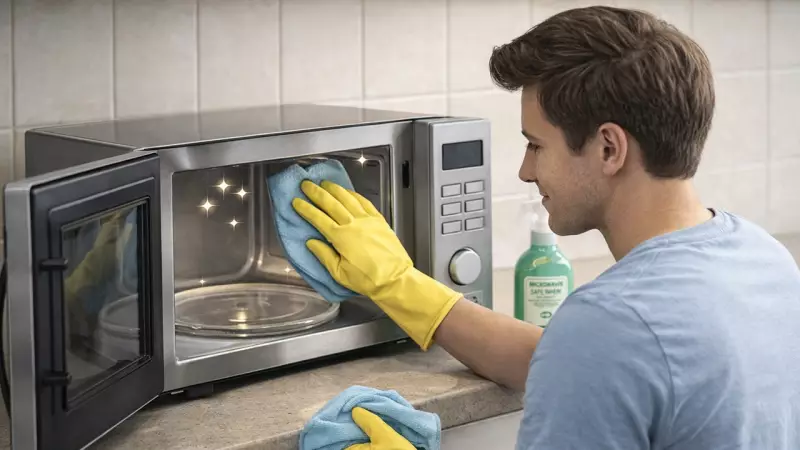
We've all been there. The house party was a roaring success, but the morning after reveals a kitchen battlefield. Among the casualties, your microwave stands as a testament to last night's culinary adventures, splattered with cheese, tomato sauce, and remnants of butter chicken. Your first instinct might be to attack it with the strongest chemical cleaner you own. But hold on. Before you fill your kitchen with toxic fumes, there are smarter, safer, and more natural ways to restore your appliance to its shining best.
Why a Clean Microwave is Crucial for Your Kitchen
That crusty, dried-on food isn't just an eyesore. It's a potential health hazard. Every time you heat your food, those old food particles get reheated too, which can taint the flavour of your current meal. Imagine your morning tea tasting like last night's kadhai paneer. Beyond taste, a dirty microwave can become a breeding ground for bacteria and mould. Regular cleaning ensures your appliance heats food efficiently and keeps your kitchen environment hygienic.
What You Must Avoid When Cleaning Your Microwave
Knowing what not to use is as important as knowing the right methods. Never use oven cleaner inside your microwave. Its harsh, caustic chemicals are designed for much higher temperatures and can damage the interior coating, leaving toxic residues. Similarly, avoid bleach and ammonia-based cleaners, as their strong fumes are overpowering in an enclosed space and can damage finishes. Steer clear of abrasive scrubbers that can scratch surfaces, and never spray water or cleaner directly into the vents or control panel to prevent electrical damage.

Effective Natural Cleaning Methods That Actually Work
These simple, kitchen-friendly solutions are powerful, safe, and leave your microwave smelling fresh.
The Powerful Lemon Steam Method
Citric acid in lemons cuts through grease and leaves a fresh scent. Cut a lemon in half, squeeze the juice into a microwave-safe bowl with about one cup of water, and add the lemon halves. Heat on high for five minutes, then let the bowl sit inside with the door closed for another 5-10 minutes. The steam will loosen all the grime. Carefully remove the hot bowl and turntable, then wipe the interior clean with a damp microfiber cloth.
The Trusty Vinegar Steam Technique
White vinegar is a fantastic degreaser and deodoriser. Mix equal parts vinegar and water in a microwave-safe bowl. Heat on high for 3-5 minutes until the solution boils and the window is steamy. Let it sit for another 10 minutes to allow the steam to work. The dried-on spills will wipe away effortlessly with a soft cloth.
Baking Soda for Stubborn Stains
For burnt-on or stubborn messes, baking soda is a gentle abrasive. Make a thick paste with baking soda and water, apply it to the stained areas, and let it sit for 15-20 minutes before scrubbing gently. For an extra boost, you can sprinkle vinegar over the baking soda paste to create a fizzing reaction that lifts tough grime.
Step-by-Step Guide to a Deep Clean
Follow this process for a thorough post-party cleanup:
- Unplug the appliance for safety.
- Remove the turntable, support ring, and any racks to wash separately.
- Choose a steam method (lemon or vinegar) based on the level of grime.
- After steaming, wipe the interior from top to bottom with a damp cloth.
- For persistent spots, apply a baking soda paste.
- Wash removable parts in warm, soapy water and dry thoroughly.
- Wipe the exterior, including the door, handle, and control panel.
- Gently clean the vents with a dry cloth or soft brush.
- Ensure everything is dry before reassembling and plugging it back in.
How to Handle Special Microwave Mishaps
Some messes need special attention. For a lingering burnt popcorn smell, place a bowl of baking soda inside overnight to absorb odours. For melted plastic, let it cool completely, then use a baking soda paste to gently lift the residue. To tackle persistent fish odours, heat orange peels on low power for a minute—the natural oils will help neutralise the smell.

Keeping Your Microwave Cleaner for Longer
Prevention is easier than cure. Always use a microwave-safe lid or cover when heating food to contain splatters. Wipe up spills immediately with a damp cloth before they bake on. For foods prone to bubbling, use medium power settings and heat in shorter intervals, stirring in between. After reheating strong-smelling foods, leave the door open for a few minutes to let moisture and odours escape.
Aim for a quick wipe-down after messy uses and a proper deep clean at least once a month. With these natural methods, maintaining a sparkling, hygienic microwave is simple, safe, and effective.