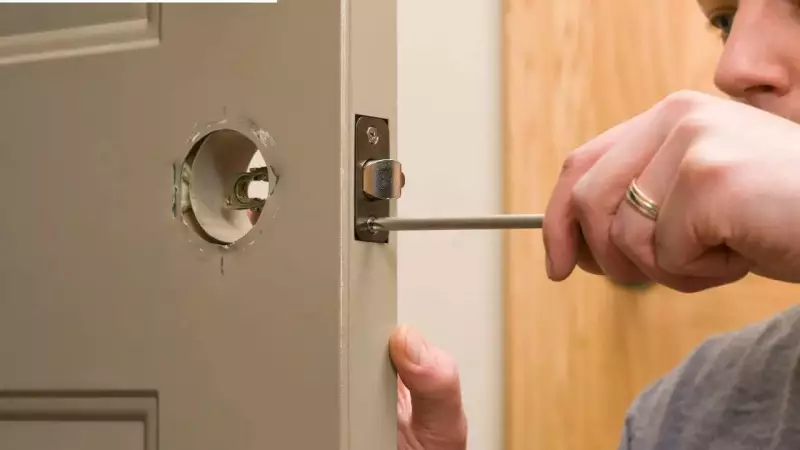
Few things are as annoying as a door that refuses to close properly. The latch gets stuck, the door pops open, or it simply won't shut flush. In a moment of frustration, many Indian homeowners immediately think the worst, rushing to call a repair professional or even replacing the entire handle set. However, this often leads to an unnecessary expense.
Most Door Latch Problems Are Simple Fixes
The truth is, the vast majority of door latch issues are minor and can be resolved with a simple, beginner-friendly DIY approach. Over time and with regular use, the internal mechanism of the handle can shift slightly out of alignment. This misalignment causes the latch to rub against the metal strike plate on the door frame, leading to jamming. Instead of panicking, you can often fix it yourself in just a few minutes with a basic screwdriver, saving both time and a service call fee.
Why Do Door Latches Get Jammed?
Door latches operate within a very fine tolerance for alignment. For smooth operation, the latch must slide perfectly into the hole on the strike plate without any friction. The most common culprit is the loosening of the handle's internal components due to daily use. When this happens, the latch no longer aligns correctly. It starts scraping against the edges of the strike plate, eventually getting stuck. This not only prevents the door from closing securely but can also cause annoying rattling sounds when drafts hit the door, making it wobble in its frame. Addressing this promptly prevents further wear and avoids the cost of a future, more serious repair.

Step-by-Step Guide to Realign Your Door Latch
First, ensure your door handle has a standard, spring-loaded retractable latch, as this method is specific to that common mechanism.
Step 1: Loosen the Screws. Locate the screws on the interior side of the doorknob or handle. Using a screwdriver, loosen these screws slightly. Do not remove them entirely. The goal is to allow the two halves of the knob to feel slightly loose while still being attached to the door.
Step 2: Adjust the Alignment. Gently wiggle or rotate the knob casing while observing how the latch moves in and out of the strike plate. Your aim is to find the 'sweet spot' where the latch glides through the opening smoothly without any catching or scratching sound.
Step 3: Tighten and Test. Once the latch is moving freely, hold the knob firmly in that optimal position and retighten the screws. Test the door by opening and closing it several times. In most cases, this quick adjustment solves the problem immediately.
When to Fine-Tune the Strike Plate
If the latch continues to stick after adjusting the handle, the issue might be with the strike plate itself. Check if the strike plate is loose and tighten its screws. You can also try gently shifting the plate slightly to the left or right to achieve better alignment. In some cases, if the fit is too tight, a minor adjustment with a chisel to slightly enlarge the plate's opening might be necessary.
When It's Time to Call a Professional
If the DIY method doesn't work, the problem could be more serious. Potential issues include a broken internal latch mechanism or a significantly misaligned door frame. In such scenarios, contacting a professional locksmith is the best and safest course of action. As a temporary fix if the handle is very loose, you can use a sturdy cable tie to secure the hardware until help arrives.
Remember, a jammed door latch is frequently just an alignment issue, not a major failure. With a simple tool and a few careful adjustments, you can restore your door's functionality and avoid an unnecessary financial outlay. This empowering fix puts basic home maintenance back in your hands.