Transform Your Home: 5 Expert Design Strategies to Create Spaciousness
How your home appears and feels is profoundly influenced by its interior design. A residence does not require an expansive carpet area to project an airy, spacious atmosphere. Instead, the perception of space hinges on multiple critical factors, including wall colors, furniture dimensions, arrangement techniques, ceiling height, and the intelligent utilization of wall space. Clutter stands as a significant element that detrimentally affects the sense of openness within homes.
Renowned interior designer Harshita Agarwal provides invaluable design insights on how addressing a few key aspects can make any home appear substantially larger and more inviting. By implementing these strategies, you can cultivate a cleaner, more unified aesthetic that enhances both functionality and visual appeal.
1. Prioritize Fewer, More Impactful Elements
Embrace the principle of using fewer but stronger design elements. Rather than overcrowding a room with an assortment of accessories, décor items, and furniture pieces collected from various sources, select a limited number of standout items. This approach fosters a cleaner, more cohesive aesthetic while simultaneously making the space feel more spacious, welcoming, and intentionally curated.

Each element is allowed to breathe and showcase its unique character within a restrained palette of materials and forms. When every component serves a distinct purpose, the overall design becomes less busy yet significantly more powerful. This strategy is about crafting deliberate pauses in the design narrative, avoiding the temptation to cram every available inch. It enables texture, scale, and craftsmanship to shine without distraction from unnecessary clutter.
2. Celebrate and Enhance Existing Ceiling Height
Leveraging the current ceiling structure can occasionally transform a space dramatically. Not every ceiling requires elaborate modifications or complex adjustments. It is essential to carefully consider the room's existing height and base design decisions on that fundamental architectural feature.
Frequently, a more authentic and spacious environment emerges from valuing and highlighting the inherent architectural space. The sense of openness can be amplified through simple adjustments, such as accentuating structural beams or maintaining clean, uncluttered lines, rather than overwhelming the room with intricate ceiling designs.
The objective is for the ceiling to complement the overall design scheme, contributing meaningfully to the room's story instead of being treated as an afterthought. This thoughtful integration enhances spatial perception without costly renovations.
3. Float Furniture Away from Walls
Periodically shifting furniture slightly away from the walls can instantly rejuvenate a room, imparting a renewed and dynamic atmosphere. Instead of positioning sofas, consoles, and other large pieces directly against the wall, leaving a modest gap can create a more airy and purposefully designed appearance.
This technique aids in establishing distinct functional areas within a room, which is particularly valuable in open-plan layouts where subtle spatial separation is crucial. Arranging furniture away from the walls improves traffic flow and fosters a more engaging layout that encourages movement throughout the area.
It introduces a sense of depth and layering, giving the room a carefully curated feel rather than a constrained or boundary-focused aesthetic. This simple adjustment can make spaces feel more expansive and interconnected.
4. Maintain Clean and Unobstructed Sightlines
The way your eyes travel through a space significantly impacts its perceived size. Keep tall shelving units and bulky furniture away from key sightlines to preserve visual continuity. When views remain unobstructed, the room feels larger, more cohesive, and better integrated.
A thoughtful arrangement ensures that windows, artwork, and unique architectural elements remain prominently visible. Clear sightlines also make a room feel more spacious and allow more natural light to permeate the area, which positively lifts the spirits and enhances overall ambiance.

This represents a simple yet remarkably effective technique for creating a more open, integrated, and visually pleasing interior environment that feels both expansive and harmonious.
5. Create Vertical Emphasis to Enhance Height Perception
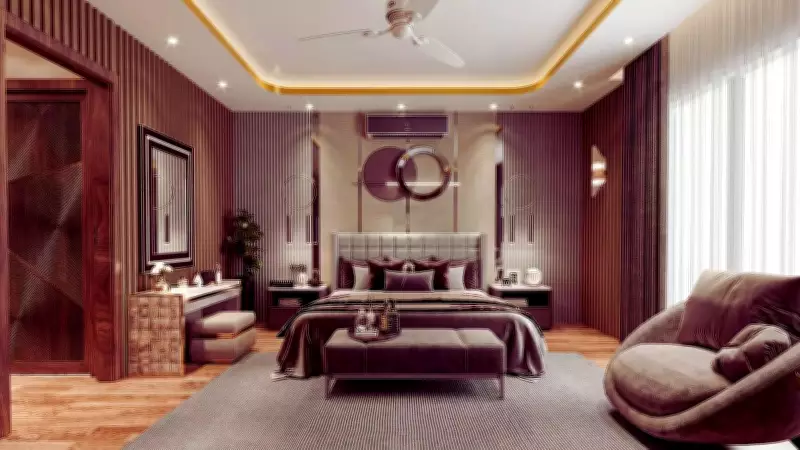
Effective spatial design is often less about adding more objects and more about strategically guiding the eye. Consider incorporating full-height curtains, vertical wall panels, or tall light fixtures; these elements gently draw the gaze upward, creating the illusion of added height without any actual construction work.
Vertical lines introduce a sense of proportion and grace, particularly in rooms where square footage is at a premium. By leading the eye upward, you fundamentally alter how we perceive the room's dimensions, fostering a more balanced and harmonious appearance.
These techniques do not require extravagant implementation; subtle touches can add a quiet elegance that significantly enhances the overall feel and perceived spaciousness of any living area.