Beyond Restaurants: The World's Most Expensive Ingredients Revealed
When we think of luxury food, our minds often drift to elegant restaurants with soft lighting and multi-course tasting menus. However, the true essence of culinary luxury has shifted dramatically in recent years. Today, the spotlight shines brightly on the ingredients themselves—rare, precious, and steeped in stories of nature, tradition, and immense patience.
Across the globe, certain foods have achieved legendary status not just for their exquisite taste but for their scarcity. Some thrive only in specific climates, others take decades to mature, and a few involve processes that might initially sound surprising. This combination of factors drives prices to astonishing heights, making these ingredients the ultimate symbols of gastronomic opulence.
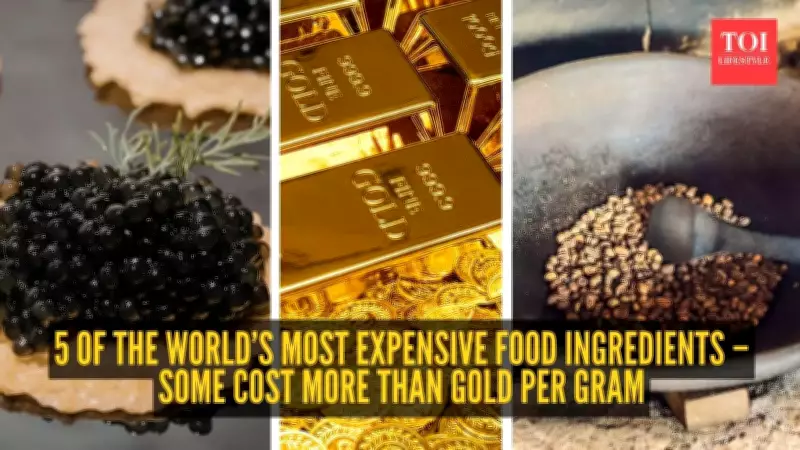
As consumers become increasingly curious about food origins, these rare treasures have captured global attention. Here are five ingredients that consistently top lists of the world's most expensive foods, each with a unique backstory.

Saffron: The World's Most Valuable Spice
Let's begin with saffron, derived from the purple Crocus sativus flower. While the flower appears simple, its value lies within: only the delicate red threads inside are used. The catch? Each flower yields just a few threads, requiring farmers to hand-pick thousands of blossoms for a small amount. This labor-intensive process makes saffron incredibly expensive, with high-quality varieties costing between ₹400 and ₹1,500 per gram, depending on grade and origin.
In cuisine, saffron is cherished for its vibrant color and aromatic profile, imparting a gentle floral sweetness and warm earthy notes. Chefs often soak the threads in warm liquid to maximize flavor dispersion.
Matsutake Mushrooms: A Rare Forest Delicacy
In Japan and parts of East Asia, matsutake mushrooms are revered as a delicacy. Their rarity stems from an inability to be farmed; they grow naturally near pine trees over 25 years old. Foragers must venture into forests during the season, relying on patience and luck to find them. Japan's annual harvest is estimated at less than a kilotonne, enhancing their scarcity and cultural significance—often given as corporate gifts.
Kopi Luwak: Coffee with a Wild Origin Story
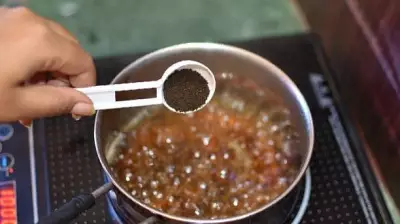
Kopi Luwak is perhaps the most discussed coffee globally, thanks to its unique production. The beans come from coffee cherries eaten by the Asian palm civet, a small Southeast Asian mammal. After passing through the animal's digestive system, the beans are collected, cleaned, and roasted. This unusual process is said to yield a smoother, less acidic coffee with earthy notes and hints of chocolate or caramel. Prices range from ₹4,500 to ₹9,000 per kilogram for farmed varieties, while wild-sourced beans can exceed ₹27,000 per kilogram.
Beluga Caviar: A Delicacy Decades in the Making
Beluga caviar, sourced from the eggs of the beluga sturgeon in the Caspian Sea, commands high prices due to time. These fish take around 20 years to mature before producing harvestable eggs, naturally limiting supply. Overfishing has further reduced wild populations. Known for their large size, creamy texture, and mild nutty flavor, Beluga caviar typically sells for ₹56,000 to ₹85,000 per 100 grams.
White Alba Truffles: Italy's Prized Underground Fungi
White Alba truffles grow underground in Italy's Piedmont region, near tree roots like oak and hazelnut. Unlike some truffles, they cannot be cultivated, requiring wild foraging with trained dogs or pigs to sniff them out. Their rarity and difficulty in harvesting lead to exorbitant prices, roughly ₹2 lakh to ₹4 lakh per kilogram, depending on season and quality. Chefs shave them thinly over dishes just before serving to preserve their intense aroma.

Why Rarity Drives Food Prices
Examining these ingredients reveals a common pattern: their value is deeply tied to nature. Climate, forests, soil, oceans, and time all play crucial roles. From saffron picked thread by thread to truffles hidden beneath soil, producing these foods demands immense patience. While most people may never cook with them at home, they remain fascinating examples of the world's culinary diversity, reminding us that a dish's story often begins long before it reaches the plate.
Disclaimer: The information in this article is based on available reports, research, and cultural practices related to these premium foods. Prices and availability may vary depending on region, season, and market conditions. The article is intended for informational purposes only.