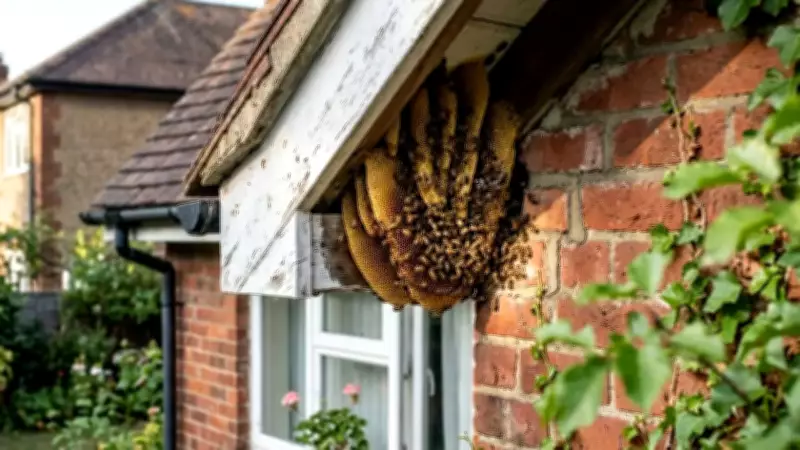
Understanding Honey Bee Nests in Residential Areas
At first glance, spotting a few bees near your house might not raise alarms. Bees frequently visit gardens, balconies, and open spaces in search of flowers. However, when this activity becomes repetitive in the same location, it could signal a deeper issue. In many instances, honey bees discreetly establish nests within hidden parts of homes, remaining undetected for weeks or even months. These nests are often concealed from view, making early identification essential for effective management.
What Does a Honey Bee Nest Look Like?
Honey bees construct their nests using wax produced by specialized glands in their bodies. They build an intricate structure known as a honeycomb, composed of small hexagonal cells arranged with remarkable precision. Each cell serves a distinct purpose: some store honey, others hold pollen, and some are dedicated to raising young bees. This compact design maximizes space efficiency, allowing the colony to thrive in confined areas.
From the exterior, the nest may not be visible, as bees often hide them inside walls, attics, or roofs. In such cases, the primary indicator is bees consistently flying in and out of a small opening, such as a crack or vent.

Distinguishing Between Hives and Nests
While the terms "hive" and "nest" are often used interchangeably, they refer to different structures. A hive typically denotes a human-made box used in beekeeping, whereas a nest is a natural construction formed by bees in the wild. In residential settings, people usually encounter natural nests built within buildings, rather than managed hives.
Common Signs of a Honey Bee Nest Around Your Home
Early detection relies on recognizing subtle but persistent signs. Key indicators include:
- Consistent Bee Activity: Repeated sightings of bees entering and exiting the same spot suggest an internal nest.
- Buzzing Sounds: A low, continuous humming from walls, ceilings, or roofs may indicate a growing colony.
- Bee Congregation Near Openings: Look for movement around holes, cracks, or vents where bees gain access.
- Sticky Stains or Patches: Leakage of honey or wax through walls can leave visible, tacky marks.
- Sudden Increase in Bee Numbers: A noticeable rise in bees near your home is a strong warning sign.
Where Honey Bees Build Nests Around Homes
Honey bees seek secure, stable locations that offer protection from elements. They prefer enclosed, sheltered spaces, commonly found in:
- Holes in walls
- Attics and roof spaces
- Chimneys
- Sheds and garages
- Hollow trees near residences
Bees can infiltrate through tiny openings, initiating nest construction with just a small gap in a wall or roof.
How Honey Bees Construct Their Nests
Worker bees mold wax into hexagonal cells to form the honeycomb, which is organized into distinct sections. The upper part stores honey, the middle area holds pollen, and the lower section is reserved for raising young bees. This structured arrangement supports colony cohesion and gradual expansion over time.
Why Bees Choose Homes for Nesting
Bees do not select sites randomly; they prioritize locations with specific advantages, such as:
- Protection from rain and wind
- Consistent temperatures
- Quiet environments
- Easy access to floral resources
Homes often fulfill these criteria, allowing bees to settle through minor cracks or vacant spaces.
Are Honey Bee Nests Dangerous?
While honey bees are generally not aggressive, they may become defensive if their nest is disturbed. Potential risks include:
- Bee stings, particularly if the nest is near living areas
- Allergic reactions in sensitive individuals
- Structural damage from accumulated honey and wax
- Attraction of other pests
These hazards underscore the importance of addressing nests promptly and safely.
What to Do If You Identify a Honey Bee Nest
If you suspect a nest, exercise caution by following these steps:

- Maintain a safe distance from the area to avoid provoking the bees.
- Avoid blocking entry points, as this can agitate the colony.
- Refrain from attempting DIY removal, which can be hazardous.
- Contact trained professionals or local beekeepers for safe relocation or removal of the colony.
Proactive measures and expert intervention ensure both human safety and bee welfare.