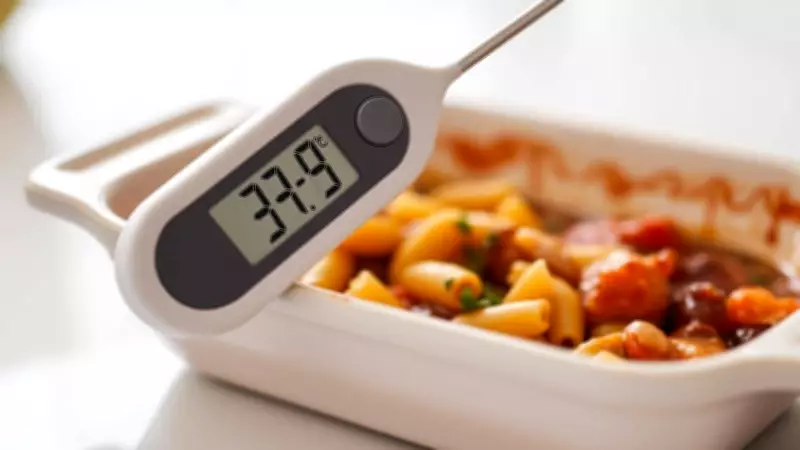
The Hidden Danger in Your Kitchen: Why Deep Pots Risk Food Safety
In kitchens worldwide, a familiar scene unfolds: a large pot of garden vegetable soup or chili simmers, its warmth lingering into the night. Typically, we let the contents cool to room temperature before storing the entire pot, lid and all, in the refrigerator. While this approach minimizes dishwashing, it poses a significant risk for food-borne illnesses at home. The core issue lies in retaining heat within a thick thermal mass, creating an environment where harmful bacteria can thrive.
The Scientific Principle: Surface Area is Key to Safe Cooling
For those committed to farm-to-table principles, proper storage is the final step in honoring your produce. A straightforward scientific method ensures leftovers remain both delicious and safe: increase the surface area. By transferring hot leftovers into shallow dishes, you accelerate cooling, bringing the entire dish to safe temperatures before bacteria can multiply in your refrigerator.
The power behind shallow dishes in food safety practice centers on rapidly moving food from 140°F to 40°F. This temperature range is prime for bacterial growth and food spoilage. In a deep pan, the edges cool quickly, but the hot core retains heat for extended periods, allowing pathogens like Bacillus cereus or Clostridium perfringens to flourish.

Research-Backed Evidence for Effective Cooling
An article featured in the Journal of Food Protection explains that cooling foods within a depth of five centimeters or less facilitates such rapid heat release that bacterial growth becomes impossible. This principle is especially vital for gardeners preserving large yields, as it prevents stomach upsets and maintains food quality. Hardy, delicious foods cooked in bulk tend to retain warmth, posing a cooling challenge. Using shallow dishes ensures even chilling, allowing the refrigerator's cold air to work efficiently across a thin layer.
Best Practices for Home Chefs: Storage and Air Circulation
Where you place food in the refrigerator is as critical as the container used. Many people seal hot dishes with lids to prevent spills, but this traps heat. A better approach is to leave the lid slightly ajar or wrap the dish loosely in aluminum foil until the food is fully chilled.
Research titled "Restaurant food cooling practices" highlights that air circulation is a key factor in professional kitchens. In crowded home refrigerators, stacking containers or tucking them into tight corners blocks cold air flow. To keep garden-fresh meals safe, give shallow containers "breathing room" by avoiding overcrowded shelves, enabling air to circulate and pull heat away effectively.
Practical Benefits for Health and Convenience
When faced with a massive seasonal harvest, the temptation to store everything in the refrigerator is common. However, taking extra time to divide food into several smaller dishes offers substantial health benefits. This method not only cools vegetables safely but also enhances convenience for next-day meals. Adopting professional cooling standards ensures your culinary efforts continue to pay off with safe, enjoyable leftovers.
About the Author: TOI Lifestyle Desk
The TOI Lifestyle Desk is a dynamic team of dedicated journalists who curate lifestyle news with passion and commitment. They delve beyond the obvious to provide inspiration and information on fashion, travel, food, and wellness, serving as a reliable companion for an enriching lifestyle experience.