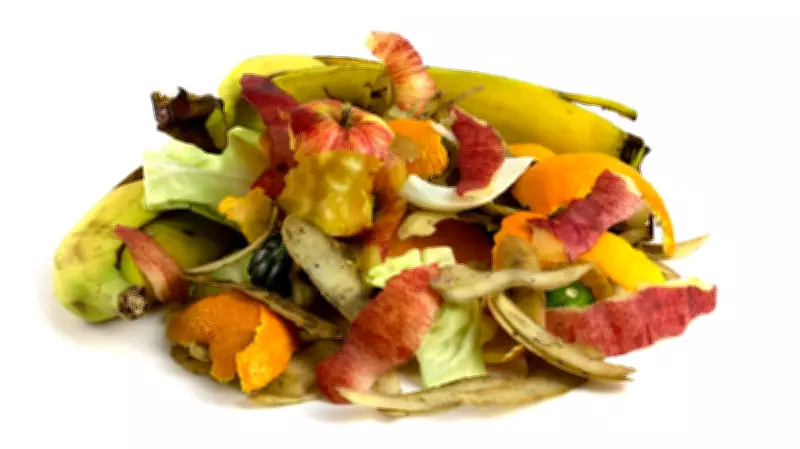
In an era where sustainability is more than a buzzword, the concept of 'scrap cooking' is gaining traction. This approach involves using every part of vegetables, fruits, and other ingredients that are often discarded. From potato peels to broccoli stems, these scraps can be transformed into flavorful dishes, reducing kitchen waste and saving money.
Why Scrap Cooking Matters
According to the United Nations, approximately one-third of all food produced globally is wasted. In households, vegetable peels, cores, and stems constitute a significant portion of this waste. By incorporating these scraps into meals, home cooks can contribute to environmental conservation and enjoy new textures and tastes.
Creative Uses for Common Scraps
- Vegetable Peels: Potato peels can be seasoned and baked into crispy chips. Carrot peels add color and nutrients to soups and stocks.
- Broccoli Stems: Often discarded, these stems are tender and sweet when peeled and sliced. They can be stir-fried, pickled, or used in slaws.
- Citrus Rinds: Lemon and orange zest brighten dishes, while the peels can be candied or used to infuse vinegar and oils.
- Herb Stems: Parsley and cilantro stems are packed with flavor. Finely chop them for sauces or use whole in stocks.
Simple Recipes to Get Started
One easy recipe is Vegetable Scrap Stock. Collect peels, ends, and trimmings from onions, carrots, celery, and other vegetables. Simmer them in water with bay leaves and peppercorns for 30 minutes, then strain. This stock is perfect for soups, risottos, and sauces.

Another idea is Scrap Pesto. Blend carrot tops, beet greens, or radish leaves with garlic, nuts, Parmesan, and olive oil. This pesto is excellent on pasta, sandwiches, or as a dip.
Tips for Success
- Store scraps in a sealed bag in the freezer until you have enough for a recipe.
- Wash all scraps thoroughly to remove dirt and pesticides.
- Experiment with different combinations to discover new flavors.
Embracing scrap cooking not only reduces waste but also encourages creativity in the kitchen. By viewing vegetable peels and stems as ingredients rather than trash, home cooks can contribute to a more sustainable food system while enjoying delicious, homemade meals.