The Surprising Truth About Sabudana: From Cassava Root to Tapioca Pearls
Sabudana, commonly known as tapioca pearls, is a staple ingredient in many Indian households, especially during fasting periods. It features prominently in traditional recipes like sabudana khichdi and kheer. However, there are widespread misconceptions about its origin. Many people mistakenly believe that sabudana grows on trees in its familiar pearl form, while others assume it is entirely artificial. In reality, neither of these notions is accurate. Sabudana is a natural product derived from a plant root but undergoes a simple mechanical process before it reaches your plate. Understanding this process reveals a fascinating journey that transforms a raw root into soft, chewy pearls.
What Is Sabudana Made From?
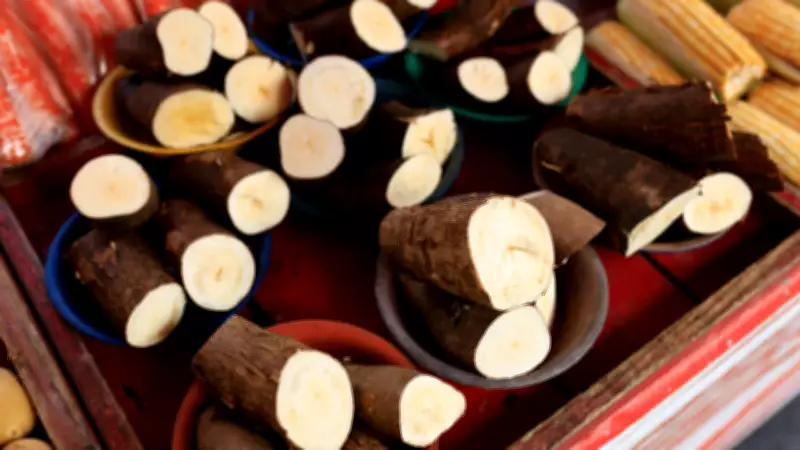
Sabudana is derived from the root of the cassava plant, scientifically known as Manihot esculenta. This root grows underground, similar to potatoes, and is a natural vegetable rich in starch, which provides carbohydrates. However, it cannot be consumed raw due to the presence of toxins that must be removed during processing. The cassava root serves as the primary source for sabudana, debunking the myth that it comes from trees or is synthetic.
How Is Sabudana Prepared?
The preparation of sabudana involves a straightforward mechanical process. First, cassava roots are cleaned, scraped, and crushed to extract starch. This starch is then purified and shaped into small, round, white balls. Finally, these balls are roasted to produce the sabudana pearls we recognize. According to the Central Tuber Crops Research Institute (CTCRI), the method includes "starch extraction, followed by granulation, and then roasting to obtain sago-like pearls." This process ensures the pearls are safe for consumption by eliminating toxins and enhancing texture.

Is Sabudana Natural or Artificial?
Sabudana often causes confusion because its processed appearance suggests it might be artificial. However, the truth is more nuanced. It is natural in origin, as it comes from a plant root, but it is processed because it is mechanically formed into pearls. This means sabudana is not artificial; it is physically altered from its original state. Therefore, it occupies a middle ground between natural food and processed food, combining elements of both.
Why Do People Find This Surprising?
Many individuals are surprised to learn about sabudana's true nature because they assume it occurs naturally in its pearl form. The reality that it looks entirely different in its original state—as a rough, underground root—highlights how everyday foods can have unexpected origins. This revelation adds a layer of curiosity to simple dishes like sabudana khichdi, encouraging a deeper understanding of what we eat. Sabudana is neither found in nature as pearls nor is it completely artificial; it is a processed version of a natural root, making its story both simple and intriguing.