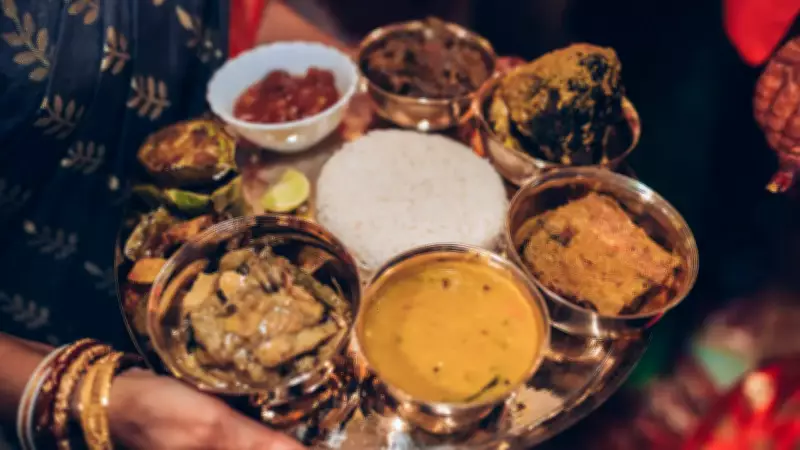
Poila Boishakh 2026: A Culinary Celebration of Bengali New Year
Poila Boishakh, marking the Bengali New Year, is traditionally observed on April 14th each year. This vibrant festival symbolizes new beginnings, prosperity, and the cherished spirit of togetherness, celebrated with immense enthusiasm across West Bengal and Bangladesh. A central highlight of the festivities is the elaborate feast, featuring an array of classic Bengali dishes and sweets that are considered essential for a prosperous start to the year. These culinary delights reflect the rich cultural heritage and joyous essence of the occasion.
1. Kosha Mangsho: The Festive Mutton Curry
Kosha Mangsho is a rich, spicy, and slow-cooked mutton curry that is often paired with luchi, a type of deep-fried bread. This indulgent dish is typically reserved for festive feasts, and beginning the new year with this flavorful mutton preparation offers a uniquely satisfying experience that sets a celebratory tone.
2. Basanti Pulao: The Golden Rice Delight
As the name implies, Basanti Pulao is a vibrant yellow-colored rice dish. It is prepared with ghee, nuts, and a hint of sugar, creating a sweet and aromatic base that complements the savory elements of the meal, symbolizing brightness and prosperity.

3. Shorshe Ilish: The Mustard-Steamed Hilsa Fish
Shorshe Ilish is a beloved side dish made with Hilsa fish, steamed in a pungent mustard paste and mustard oil. This true Bengali delicacy is celebrated during special occasions for its distinctive flavor and cultural significance, representing abundance and tradition.
4. Chingri Malai Curry: Creamy Prawn Delicacy
This curry features chingri (prawns or shrimp) cooked in a rich, creamy gravy of coconut milk. Lightly spiced with turmeric, green chilies, ginger, and garam masala, the word malai refers to the creaminess of the coconut milk, which imparts a silky texture and delicate sweetness to the dish.
5. Shukto: The Mixed Vegetable Gravy
Shukto is a main course gravy dish made with a variety of vegetables, including bitter gourd, potato, drumsticks, and green bananas. It offers a balanced and nutritious component to the feast, often appreciated for its complex flavors and health benefits.
6. Luchi and Aloo Posto: Classic Bengali Combo
A classic Bengali pairing, this dish consists of luchi, which are deep-fried puris made from refined flour, oil, and salt, served with Aloo Posto. The latter is a semi-dry preparation made with potatoes, poppy seeds, red chili, green chili, mustard oil, cumin seeds, salt, and turmeric, creating a harmonious blend of textures and tastes.
7. Macher Jhol: Homely Fish Curry
Macher Jhol is a comforting and homely fish curry typically made with fresh river fish like rohu (rui) or catla. It features an aromatic broth of turmeric, cumin, tomatoes, potatoes, and green chilies, often cooked in pungent mustard oil, evoking warmth and familial bonds.
8. Mishti Doi: Sweetened Yogurt Treat
Mishti Doi refers to sweetened yogurt, crafted from boiled milk seasoned with a sweetener. This dessert showcases Bengal's unparalleled sweet culture, offering a creamy and delightful end to the meal that symbolizes sweetness and joy.
9. Sandesh: Iconic Bengali Sweet
Sandesh is one of the most popular sweets in Bengal, made with fresh chhena (cottage cheese) and sugar. It comes in numerous varieties, from nolen gur sandesh to chocolate fusion versions, representing creativity and the festive spirit of the New Year celebrations.
These nine traditional dishes not only highlight the culinary excellence of Bengali cuisine but also embody the prosperity, joy, and cultural richness associated with Poila Boishakh 2026. As families gather to share these meals, they reinforce the values of togetherness and hope for the year ahead.