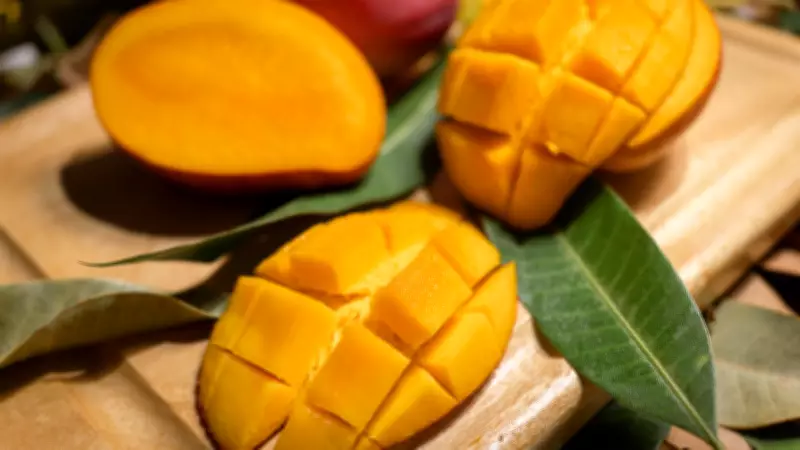
Protect Your Homegrown Mangoes from Pests with a Simple Paper Bag Method
Growing mangoes at home offers a deeply rewarding experience, yet many gardeners face the persistent challenge of protecting their fruit from insects. Traditionally, people have relied on chemical sprays or pesticides, which can be expensive and pose risks to health and the environment. Fortunately, there is a remarkably straightforward and effective alternative gaining popularity: the paper bag method.
What Is the Paper Bag Method for Protecting Mangoes?
The paper bag method involves covering mangoes with breathable paper bags while they are still attached to the tree. This technique creates a physical barrier that shields the fruit from common pests such as fruit flies, beetles, and other insects. According to the Indian Council of Agricultural Research, fruit bagging is a recognized non-chemical approach for controlling pests and diseases in fruits, making it a sustainable agricultural practice.
This method is widely adopted in countries like Japan and China, where it is used to cultivate high-quality fruits. By preventing insects from laying eggs on the mangoes and protecting them from dust and fungal spores, the paper bag helps preserve the natural texture and color of the fruit.

How Does a Paper Bag Keep Pests Away?
The concept is simple yet highly effective. The paper bag acts as a protective shield with multiple benefits:
- It stops insects from accessing the fruit to lay eggs.
- It provides a barrier against direct pest invasion.
- It shields the fruit from dust and fungal spores.
- It helps maintain the fruit's natural appearance and quality.
A study published in Postharvest Biology and Technology reported that bagging fruits significantly reduces pest infestation and improves quality in varieties like mangoes. Additionally, the semi-permeable nature of paper allows for adequate airflow, preventing moisture buildup that could lead to rotting.
Benefits of Using Paper Bags for Mangoes
This method goes beyond mere protection; it enhances the overall quality of the fruit. Here are key reasons why more gardeners are embracing this technique:
- Chemical-Free Protection: Eliminates the need for harmful pesticides.
- Better Fruit Quality: Results in mangoes with improved color and fewer blemishes.
- Environment-Friendly: Supports sustainable gardening practices.
- Cost-Effective: Uses inexpensive materials like paper bags.
- Less Hazardous to Eat: Ensures fruits are safe to consume without pesticide residues.
- More Fruits Are Safe: Increases the yield of healthy, pest-free mangoes.
Agricultural university researchers have observed that bagged fruits often exhibit superior appearance and texture, making them more attractive for consumption.
How to Use the Paper Bag Method at Home
Implementing this method requires no special equipment. Follow these simple steps to protect your mangoes:
- Select healthy, young mango fruits, ideally when they are marble-sized.
- Obtain a clean and dry paper bag, such as a lunch bag.
- Gently place each fruit inside the bag and secure it with a string or clip.
- Ensure the bag is slightly ventilated to allow airflow.
- Leave the bag on the tree until the fruits are fully ripe.
It is important to avoid making the bag too tight, as this can restrict the fruit's growth and development.
Embracing Sustainable Gardening Practices
In an era where people are increasingly conscious of their health and environmental impact, the paper bag method offers a perfect blend of simplicity and effectiveness. By avoiding chemicals, gardeners can harvest mangoes that are not only pest-free but also healthier and more natural.
This ancient technique demonstrates that the most effective solutions are often the simplest. Using a basic paper bag not only aids in fruit preservation but also represents a significant step toward safer and more responsible gardening. As awareness grows, methods like this highlight the importance of sustainable practices in home agriculture.