Northeast Indian Culinary Heritage Takes Center Stage at Rashtrapati Bhavan
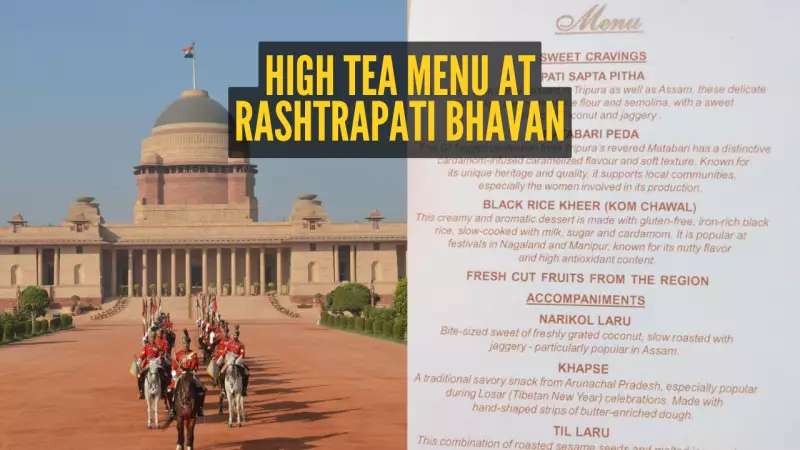
The annual High Tea and At Home Reception hosted by the President of India at the iconic Rashtrapati Bhavan is always a prestigious affair. This year, on January 26, 2026, President Draupadi Murmu elevated the event by showcasing the rich culinary traditions of Northeast India. The inclusion of seven traditional dishes from the region made dignitaries and their families feel a profound sense of pride and recognition.
A Gesture That Resonated Across the Northeast
As reports emerged about the high tea menu, it became clear that the culinary heritage of the Northeast was deliberately placed at the forefront. This thoughtful gesture did not go unnoticed. Tripura Chief Minister Dr. Manik Saha expressed his elation on social media, highlighting how heartening it was to see Matabari Peda and Pati-Sapta Pitha from Tripura featured on such a national platform. His post underscored the significance of celebrating the state's cultural heritage through its food.
The Seven Traditional Delicacies That Graced the Table
The menu was a carefully curated selection of signature snacks and desserts from various Northeast states. Each dish told a story of tradition, festivity, and artisanal craftsmanship.

Matabari Peda: A Sweet Symbol of Tripura
This traditional sweet from Tripura is made with thickened milk, sugar, and ghee, and holds deep cultural significance due to its association with the sacred Tripura Sundari (Matabari) Temple. As a Geographical Indication-tagged product, it represents the state's heritage and artisanal traditions, making its presence at the high tea particularly meaningful.
Pati Sapta Pitha: A Harvest Festival Favorite
Popular in both Bengal and Assam, this dish is often linked to harvest celebrations. It consists of a soft, crepe-like pitha crafted from a smooth batter of rice flour and semolina. The filling is a fragrant blend of coconut, jaggery, and cardamom, gently folded and cooked to perfection, offering a delightful texture and flavor.
Black Rice Kheer: A Nutty and Earthy Dessert
Traditionally known as Chak-Hao Kheer, this dessert stands out with its striking purple hue and nutty aroma. Made by slow-cooking washed black rice with milk and sweetening it with sugar or jaggery, it delivers a unique combination of earthiness, creaminess, and gentle sweetness in every spoonful.
Narikol Laru: The Classic Assamese Coconut Sweet
A beloved Assamese sweet, Narikol Laru is prepared with freshly grated coconut (narikol) and jaggery, typically during festivals like Magh Bihu. To enhance its flavor, some variations include a touch of cardamom or nutmeg powder, making it a festive treat that embodies the spirit of celebration.
Til Pitha: Warm and Nutty Delight
This dish involves stuffing rice flour dough with a fragrant filling of roasted sesame seeds and jaggery. Til Pitha is then gently roasted or pan-cooked, resulting in a warm exterior and a nutty, flavorful interior that is both comforting and indulgent.
Til Laru: A Symbol of Prosperity and Togetherness
Another traditional Assamese sweet, Til Laru is made from roasted sesame seeds (til) and jaggery. It is a winter essential, especially during Magh Bihu, and symbolizes prosperity, togetherness, and the joy of harvest in Assam, reflecting the community's values and traditions.
Khapse: A Crispy Snack from the Monpa Community
This deep-fried sweet snack originates from the Monpa community and is made with refined flour, sugar, and ghee. Shaped into intricate twists and braids, it is fried until golden and crisp, offering a delightful crunch that adds variety to the high tea spread.
Celebrating Diversity Through Food
The inclusion of these seven dishes at Rashtrapati Bhavan's Republic Day High Tea was more than just a culinary choice; it was a powerful statement of inclusivity and recognition. By highlighting the Northeast's culinary heritage, the event fostered a deeper appreciation for the region's cultural richness on a national stage. This gesture not only delighted the dignitaries present but also resonated with people across the Northeast, reinforcing the importance of preserving and celebrating traditional foods as part of India's diverse tapestry.