Discover Nepal's Hidden Himalayan Treasures: 5 Rare Wild Fruits to Try
Nestled within the diverse mid-hills and foothills of the Himalayas, Nepal harbors a secret treasury of flavors far removed from commercial supermarkets. Beyond the orchards, these pine and oak forests burst to life with a fleeting harvest of untamed, edible gems—wild fruits renowned for their healing properties and deep cultural roots. From the honey-like sweetness of golden raspberries to the butter-producing seeds of the chiuri tree, these natural offerings are interwoven into the culinary and cultural heritage of local communities. Typically foraged by hand and sold in bundles of leaves along mountain routes, these seasonal fruits provide a unique wilderness experience that every traveler should savor at least once.
Chiuri (Indian Butternut)
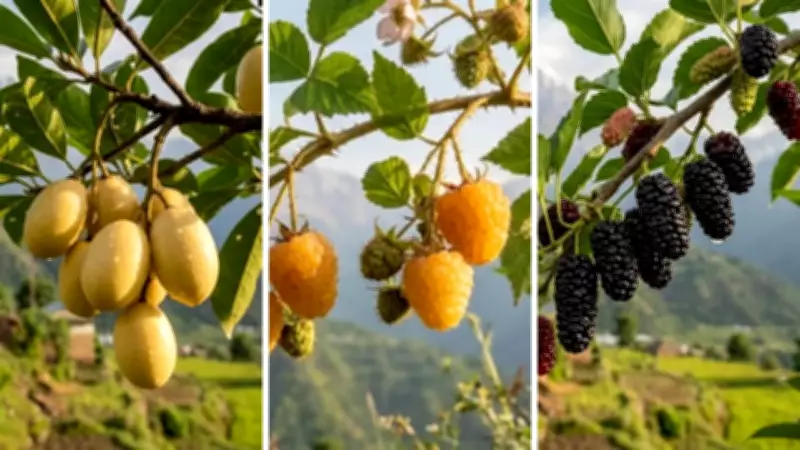
Chiuri, scientifically known as Diploknema butyracea and commonly called Indian Butter Nut, is a highly versatile tree thriving in the Himalayan foothills at elevations between 300 and 1,500 meters. Its sweet, fleshy, oval fruit matures to a pale yellow hue. While the fruit's flesh is enjoyed fresh, the tree's most prized asset is its seed, which is pressed to produce chiuri ghee—a rich, white vegetable fat. This ghee serves as a primary source of cooking oil, lamp fuel, and body lotion for the indigenous Chepang people.
Ripening Time: The fruits ripen in June and July, following a long blooming period that begins in October.

Cultural Significance: Due to its immense value, chiuri trees are often given as traditional dowries to daughters in the Chepang community, ensuring a reliable source of food and income in their new homes.
Kimbu (Himalayan Mulberry)
Kimbu, or wild mulberries, are abundant fruits growing on Nepal's mountainous slopes. These unique fruits form clusters on fast-growing trees, transitioning in color from white or green to dark mauve or black as they ripen. With a sweet, refreshing taste tinged with tartness, kimbu leaves are extensively used as feed for silkworms, while the fruit itself is a seasonal delicacy eagerly awaited each spring.
Ripening Time: Kimbu mulberries grow and ripen during March and April each year.
Unique Fact: These berries spoil quickly and rarely reach markets in good condition, making them a foraged snack eaten immediately. The leftover juice is often used by rural residents as a natural remedy for sore throats and digestive issues.
Chutro (Indian Barberry)
Known as Chutro in Nepali, the berry-producing shrub Berberis aristata flourishes at high elevations in the Himalayas. It yields small, oval-shaped, purple to black berries with a rich flavor and high Vitamin C content. Beyond being a tasty palate cleanser or dessert for mountain dwellers, chutro is a cornerstone of Ayurvedic medicine, prized for its high concentration of berberine. The roots and bark are used to produce Rasaut, a concentrated extract employed in treating eye infections and skin problems.
Ripening Time: The berries peak in ripeness during May and June, just before the monsoon rains arrive.
Interesting Note: The plant's bright yellow wood is used by villages to create traditional dyes for clothing, and the berries leave a deep purple stain on children's lips and tongues when eaten.
Golden Himalayan Raspberry (Aiselu)
Aiselu, or Ainselu in Nepali, is an iconic wild berry harvested from formidable, thorny canes that dominate Nepal's forest clearings. Distinguished by its golden yellow color and delicate fuzziness, aiselu offers a distinct honey-like sweetness unique to the Himalayan region, packed with antioxidants. For foragers and hikers navigating the steep, rocky terrain of the mid-hills, aiselu serves as the ultimate organic refreshment.
Ripening Time: The ripe golden fruit is typically picked in April and May, following the tree's blooming with white flowers in March.
Cultural Integration: So integral to Nepali culture, aiselu is commonly referenced in local folk songs. Villagers are increasingly using it in small batches of artisanal mountain wine and jams.

Kafal (Box Myrtle)
In the Himalayas, Kafal (Myrica esculenta) is revered as the 'King of Wild Fruits'. This small, bumpy, red berry grows wild in dense forests under pine or oak trees, offering an intense and delicious sweet-yet-sour flavor considered a pure gift of nature. Beyond its culinary appeal, kafal is used medicinally to treat headaches, fever, and digestive problems.
Ripening Time: The short kafal season lasts from April to June, making it a significant event in the mountains.
Preservation Challenge: Extremely fragile, kafal spoils easily within 48 hours. Thus, foraged kafal is often sold in small packets wrapped in leaves along roadsides by locals, traditionally served with a salt-and-chili rub to enhance its complex sweet-and-sour profile.