The Challenge of Garden Pests: Balancing Life and Growth
A vibrant garden teems with life, but not all organisms contribute positively to plant health and productivity. While butterflies, bees, and earthworms play crucial roles in pollination and soil health, numerous insects actively damage vegetation by feeding on leaves, stems, roots, and flowers. These garden pests can significantly impair plant development, reduce flowering and fruiting, and potentially devastate entire crops if left unchecked.
The Problem with Chemical Solutions
Chemical pesticides might seem like an immediate solution, but they often create more problems than they solve. These synthetic compounds can harm beneficial insects, degrade soil quality, and disrupt the delicate ecological balance within garden environments. The collateral damage extends beyond targeted pests, affecting the very foundation of a healthy garden ecosystem.
Natural Alternatives for Sustainable Pest Management
Natural garden pest control offers an environmentally friendly approach that protects plants while preserving ecological harmony. By understanding common garden insects, recognizing the specific damage they cause, and implementing targeted natural control methods, gardeners can effectively manage pests without compromising environmental health. This comprehensive guide explores the most prevalent garden pests and practical natural solutions for each.

Aphids: The Sap-Sucking Menace
Aphids rank among the most widespread garden pests, typically clustering on tender new growth, flower buds, and leaf undersides. These minute insects extract plant sap through piercing mouthparts, resulting in curled, yellowing leaves and stunted growth. Their feeding produces honeydew, a sticky secretion that fosters black sooty mold growth and attracts ant colonies, compounding garden problems.
Natural Control Methods:
- Physical removal using strong water sprays to dislodge colonies
- Application of neem oil or mild insecticidal soaps to disrupt feeding and reproduction cycles
- Encouragement of natural predators including ladybirds and lacewings that consume aphids
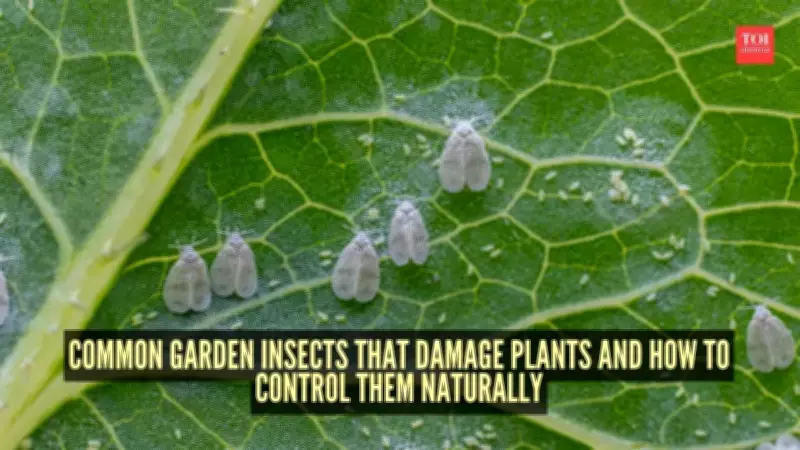
Whiteflies: The Fluttering Foe
Whiteflies are tiny flying insects that congregate beneath leaves, taking flight when disturbed. Similar to aphids, they feed on plant sap, causing leaves to pale, yellow, and drop prematurely. Their honeydew secretion promotes mold development and interferes with photosynthesis, further weakening plants.
Natural Control Methods:
- Installation of yellow sticky traps to capture adult populations
- Use of neem oil and horticultural soap solutions against immature stages
- Maintenance of plant health and promotion of beneficial insects like parasitic wasps
Caterpillars: Beautiful Butterflies, Destructive Larvae
Caterpillars represent the larval stage of butterflies and moths. While adult butterflies contribute to pollination, their caterpillar forms can cause significant damage by chewing holes in leaves, damaging flower buds, and consuming fruits and vegetables. Severe infestations can defoliate plants rapidly.
Natural Control Methods:
- Manual hand-picking during early morning or evening hours
- Application of Bacillus thuringiensis (Bt), a soil bacterium specifically toxic to caterpillars but harmless to humans, pets, and beneficial insects
Spider Mites: The Invisible Threat
Spider mites are microscopic pests often unnoticed until damage becomes apparent. Thriving in hot, dry conditions, they pierce plant cells to extract contents, creating characteristic yellow or brown stippling on leaves. Advanced infestations produce fine webbing and cause leaf drop.
Natural Control Methods:

- Regular misting to increase humidity and discourage mite proliferation
- Thorough application of neem oil or insecticidal soap to leaf undersides
- Introduction of predatory mites that naturally feed on spider mite populations
Mealybugs: The Cottony Invaders
Mealybugs appear as white, cotton-like masses along stems, leaf joints, and plant crevices. These sap-sucking insects weaken plants and produce honeydew that encourages mold growth, particularly problematic on indoor plants and in warm, sheltered garden areas.
Natural Control Methods:
- Gentle wiping with alcohol-dipped cotton to remove protective coatings
- Neem oil applications to prevent spread and disrupt reproduction
- Isolation of heavily infested plants to prevent contamination of healthy specimens
Slugs and Snails: The Nocturnal Nibblers
Although not technically insects, slugs and snails cause substantial garden damage. Feeding primarily at night or during damp conditions, they create irregular holes in leaves, damage seedlings, and leave characteristic slimy trails. Young plants are particularly vulnerable to overnight destruction.
Natural Control Methods:
- Hand collection during evening hours when activity peaks
- Physical barriers including crushed eggshells, coarse sand, or copper tape
- Encouragement of natural predators such as birds, frogs, and ground beetles
- Elimination of moist hiding places and debris that provide breeding sites
Thrips: The Disease Vectors
Thrips are slender, minute insects that scrape plant surfaces and feed on cell contents, creating silvery streaks, distorted leaves, and damaged flowers. Some species transmit plant viruses, making them particularly dangerous in vegetable and flower gardens.
Natural Control Methods:
- Regular applications of insecticidal soap or neem oil
- Removal and disposal of heavily infested plant parts
- Use of sticky traps for monitoring and population reduction
- Promotion of plant diversity to encourage beneficial insects that prey on thrips
Proactive Prevention Strategies
Successful natural pest management extends beyond reactive control measures to include preventive practices that maintain garden health and resilience.
Essential Prevention Tips:
- Regular Inspection: Frequently examine plants, particularly leaf undersides, to detect early signs of infestation before problems escalate.
- Optimal Plant Health: Provide appropriate watering, sunlight exposure, and nutrient-rich soil to strengthen plants' natural resistance to pests.
- Biodiversity Promotion: Incorporate diverse flowers and herbs to attract beneficial insects that naturally regulate pest populations.
- Garden Hygiene: Remove infected leaves, plant debris, and weeds that provide shelter and breeding grounds for pests.
Creating a Balanced Garden Ecosystem
Pests represent a natural component of garden ecosystems, but they need not dominate plant growth or compromise harvests. Through proper identification of common pests like aphids, whiteflies, caterpillars, spider mites, mealybugs, slugs, and thrips, gardeners can implement effective control strategies. Natural methods including water sprays, neem oil applications, biological controls, manual removal, and encouragement of natural predators provide safe, effective alternatives to chemical interventions.
Organic pest control approaches not only manage unwanted insects but also preserve soil integrity, protect wildlife, and maintain environmental balance. With consistent attention and appropriate care, gardeners can cultivate productive, vibrant gardens that thrive without reliance on toxic chemicals, creating sustainable ecosystems where plants and beneficial organisms coexist harmoniously.