Himalayan Culinary Excellence Takes Center Stage at Rashtrapati Bhavan
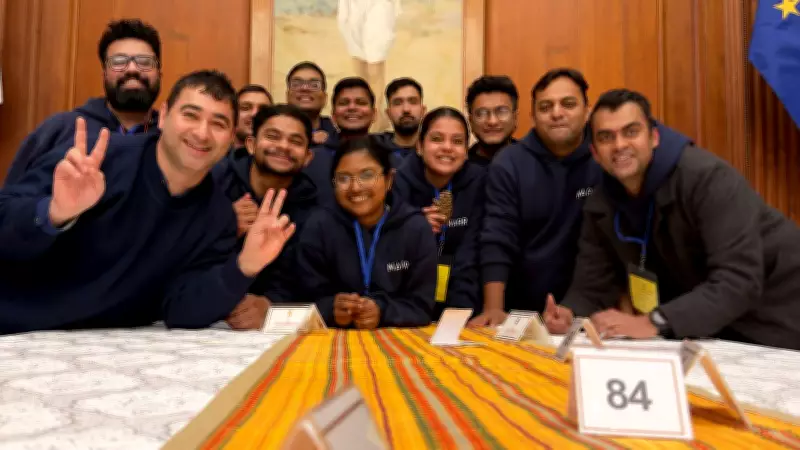
In a remarkable culinary milestone, Chef Prateek Sadhu's acclaimed restaurant NAAR from Kasauli was specially invited to curate and serve an exquisite multi-course menu for a prestigious state dinner at Rashtrapati Bhavan. This event marked a rare occasion where a standalone restaurant was entrusted with catering to India's most elite diplomatic gathering.
An Elite Gathering of National and International Dignitaries
The distinguished dinner was attended by President Droupadi Murmu, Prime Minister Narendra Modi, and the chief guests of the Republic Day celebrations - European Commission President Ursula von der Leyen and European Council President António Costa. The guest list also included cabinet members, diplomats, and prominent entrepreneurs, making it one of the most significant diplomatic events of the year.
NAAR: A Culinary Gem from the Himalayas
NAAR, which translates to "fire" in Kashmiri, was established in 2022 as a 16-seater destination restaurant in Kasauli. The restaurant has gained international recognition, featuring in Time magazine's prestigious 'World's Greatest Places' list in 2024. Chef Sadhu and his team specialize in creating 14-course tasting menus deeply rooted in Himalayan culinary traditions.

The restaurant's philosophy centers on showcasing ingredients, techniques, and food traditions from Uttarakhand, Kashmir, Ladakh, Himachal Pradesh, and surrounding Himalayan regions. The state dinner menu represented an extension of this culinary vision, placing Himalayan cuisine at the forefront of India's diplomatic hospitality.
A Journey Through Himalayan Flavors
The meticulously crafted vegetarian menu served approximately 80 guests and featured:
- Opening courses: Jakhiya aloo with green tomato chutney, followed by jhangora millet kheer finished with meah loon and white chocolate
- Soup course: Sunderkala thichoni soup from Uttarakhand with buckwheat noodles, roasted tomato, fermented vegetables, and dried vegetable chutney
- Accompaniments: Yak cheese custard, bhaang mathri, and mustard-glazed greens
- Pre-main course: Pumpkin and sinki slow-cooked in buttermilk with Kashmiri katlam bread
- Main course: Kashmiri gucchi and Solan mushrooms with poppy seeds, burnt tomato sauce, pine nut salad, swarnu rice, and regional chutneys
- Dessert selection: Ragi and Kashmiri apple cake with timru and seabuckthorn cream, coffee custard made with Assam beans, and honeyed persimmon with jambhiri lemon
Culinary Philosophy and Cultural Representation
Chef Sadhu emphasized that the menu was designed to showcase Himalayan food and new-age Indian cooking. "We wanted to highlight lesser-known ingredients and techniques, and through food, communicate the rich culture of the land," he explained via voice note. "The presentation reflected a new and emerging India on the global stage."
The culinary approach incorporated traditional techniques including:
- Root-to-stem cooking methodology
- Seasonal ingredient selection
- Traditional preservation methods
"This represents how India eats, particularly in rural kitchens - with minimal wastage, seasonal vegetables, and essential accompaniments like pickles and chutneys," Chef Sadhu noted.
From Initial Skepticism to Presidential Approval
The journey to this prestigious event began unexpectedly when Chef Sadhu initially dismissed the Rashtrapati Bhavan invitation as a prank call. "We later realized it was completely legitimate," he recalled with amusement.
The process involved multiple stages of preparation:

- A series of detailed consultations
- Personal meetings with officials
- Multiple tasting sessions at Rashtrapati Bhavan
- Initial approval from the secretary after thorough tasting
- Final tasting and approval by President Murmu herself
A High-Stakes Culinary Diplomacy Event
Chef Sadhu acknowledged the significant pressure associated with the event. "It was an exceptionally high-profile, high-pressure dinner," he admitted. "This represented a landmark occasion for India, and our goal was to present the country in the best possible manner. Food serves as one of the most powerful mediums to showcase cultural heritage."
Despite initial nerves, the team delivered an exceptional culinary experience. "We were understandably nervous, but ultimately, it became a magnificent showcase of Indian culinary artistry," Chef Sadhu concluded with evident pride.
This event not only highlighted the growing recognition of regional Indian cuisines but also demonstrated how culinary excellence can serve as a powerful tool for cultural diplomacy and national representation on the world stage.