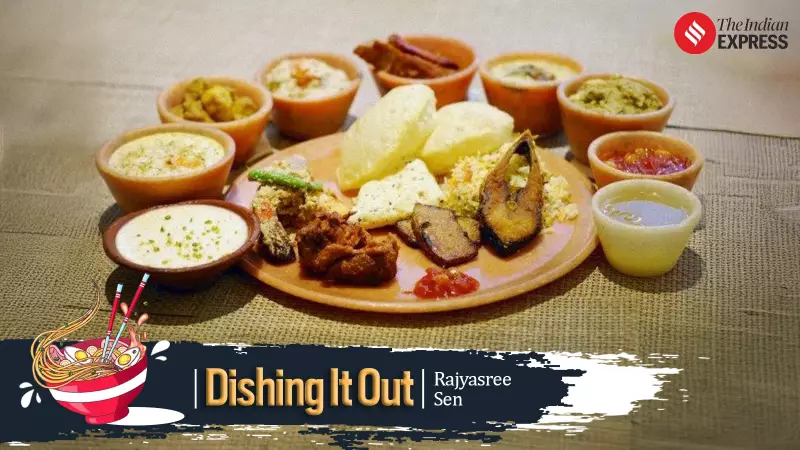
A recent YouTube episode has offered a profound and nuanced look into the heart of Bengali cuisine, moving far beyond common stereotypes to reveal a culinary tradition defined by harmony, simplicity, and deep cultural values. The video, which has garnered significant attention, serves as both a cooking lesson and a window into a distinct way of life.
The Viral Lesson in Bengali Gastronomy
The insightful episode comes from the popular channel Curly Tales, hosted by Kamiya Jani, who featured the acclaimed actor Dibyendu Bhattacharya. With over 4 lakh viewers so far, the session has become an unexpected crash course. It successfully dispels myths for an audience accustomed to superficial celebrity cooking shows, presenting instead the authentic, multi-course reality of a Bengali home meal.
The presentation went beyond recipes to illustrate the Bengali way of being, showcasing a lifestyle that values balance, liberal values, and the involvement of men in cooking without stigma.

The Core Elements: Mustard Oil and the Art of Mashing
At the foundation of this cuisine lies a profound love for mustard oil. Contrary to some perceptions, its use in cooking vegetables imparts a subtle pungency without overpowering the dish. A lesser-known fact highlighted is that Bengalis also consume raw mustard oil, drizzling it over simple preparations—a practice as normal as using olive oil on pasta.
This leads to the cherished concept of "bhaatey"—comfort food disguised as a delicacy. As demonstrated by Bhattacharya, this involves mashing boiled potatoes, sometimes with a boiled egg, finely chopped onion, and green chili. The mixture is then seasoned with salt and a generous drizzle of raw mustard oil. Eaten with hot steamed rice, this simple combination delivers profound satisfaction.
The cuisine also embraces bitterness, or "teto", through dishes like mashed bitter gourd (karela) with potato. Notably, garlic and onion are used sparingly, mostly reserved for meat dishes, allowing the core ingredients to shine.
The Ideal Bengali Spread: A Symphony of Courses
The meal prepared in the episode exemplified a traditional, elaborate home spread. It was a progression of flavors and textures:
- It began with starters like alu-ucchey bhaatey (mashed potato and bitter gourd) and alu-deem bhaatey (mashed potato and egg).
- This was followed by a series of vegetable dishes: sautéed Kolmi saag (water spinach), begoon bhaja (fried brinjal), tawk dal (lentils with green mango), and mochar ghonto (dry banana flower curry).
- The non-vegetarian highlights were shorshe maacher jhaal (fish in mustard gravy) and the divine mutton rezala.
- The meal was accompanied by rice, tomato chutney, papad, and the fragrant Gondhoraj Lebu lime.
- It concluded with classic sweets: mishti doi (sweet yogurt) and rosogolla, followed by freshly folded Benarasi paan.
The episode also clarified that not every Bengali meal requires meat, pointing to the elaborate vegetarian "pujor bhog" served during festivals like Durga Puja, which features khichudi, fried vegetables, and labra.
More Than Food: A Reflection of Culture
What resonated deeply was how the video captured the essence of a progressive Bengali household. It wasn't just about the food on the table. The backdrop included discussions on education, working women, and emancipated men who cook proudly. It showed a family environment where individual dietary choices, like vegetarianism, are respected.
This holistic portrayal presented the ideal Bengali meal as a metaphor for an ideal, balanced way of life—incorporating simplicity, a hint of bitterness, and liberal values. The episode stands as a significant piece of cultural education, proving that social media influencers can sometimes offer valuable, yeoman service by introducing global audiences to the nuanced wonders of regional Indian cuisines and the lifestyles they nourish.