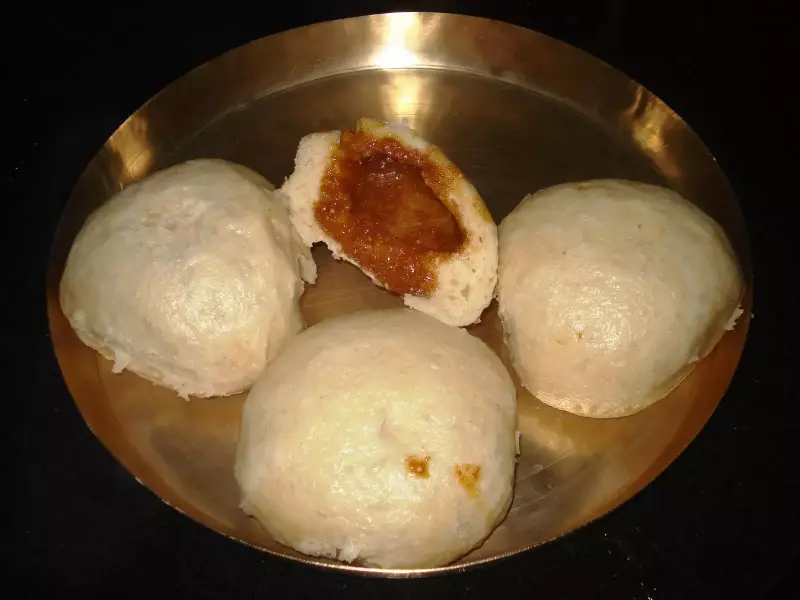
Nestled in the majestic Himalayas, Himachal Pradesh is celebrated for its serene pace of life, vibrant cultural heritage, and deeply comforting cuisine. Among its many culinary treasures, one dish stands out for its heartwarming simplicity and rich flavour: Siddu. This traditional steamed bread, with its soft texture and spiced filling, is more than just food; it's a taste of the mountains' soul.
The Heart of Himachali Culture: Why Siddu is So Cherished
Siddu holds a place of pride in Himachali food culture, particularly in the districts of Shimla, Kullu, Mandi, and parts of Kangra. For generations, it has been a staple during the cold season, prized for the warmth and sustained energy it provides to those living in the crisp mountain air. Traditionally, it was a dish of hospitality, often prepared for honoured guests.
What makes Siddu special is the time, care, and local ingredients invested in its preparation. The dough is naturally fermented before being steamed, resulting in a uniquely soft and airy bread. The filling, though varying slightly from district to district based on local tastes and produce, typically offers a mildly nutty and aromatic profile. It is commonly served with rajma dal, mint chutney, or generous amounts of homemade ghee, making it a complete and satisfying meal that is filling without being heavy.

Recreating Mountain Magic: Ingredients for Homemade Siddu
You don't need to be in a Himachali village to enjoy authentic Siddu. With some basic ingredients and patience, you can bring this taste of the mountains to your kitchen.
For the Dough:
- 2 cups whole wheat flour
- 1 cup refined flour (maida)
- 1 teaspoon dry yeast
- 1 teaspoon sugar
- Warm water (as needed)
- Salt to taste
For the Filling:
- ½ cup roasted walnuts, crushed
- 2 tablespoons poppy seeds
- 2 tablespoons chopped coriander leaves
- 2 cloves garlic, finely chopped
- 1 small onion, finely chopped
- Salt to taste
For Steaming & Serving: Water, and ghee or butter for serving.
Step-by-Step Guide to Preparing Perfect Siddu
1. Prepare the Dough: Begin by activating the yeast. Combine warm water, sugar, and yeast in a bowl and let it rest for about 10 minutes until it turns frothy. In a larger bowl, mix the whole wheat flour, refined flour, and salt. Add the frothy yeast mixture and knead, adding warm water as needed, to form a soft and pliable dough. Cover the dough and let it ferment in a warm place for 2 to 3 hours, or until it doubles in size.
2. Make the Filling: While the dough rises, prepare the filling. In a bowl, mix together the crushed walnuts, poppy seeds, chopped onion, garlic, coriander leaves, and salt. Ensure everything is well combined.
3. Shape and Stuff: Once the dough has fermented, gently punch it down. Divide it into medium-sized equal portions and roll each into a smooth ball. Flatten each ball into a small disc, place a portion of the walnut filling in the centre, and carefully seal the edges to form a stuffed bun. Ensure the filling is completely enclosed.
4. Steam to Perfection: Grease the plates of a steamer or idli stand. Place the stuffed dough balls on them, leaving some space between each. Steam over boiling water for 20 to 25 minutes, or until the Siddu is fully cooked through and firm to the touch.
Serving Siddu the Traditional Way
Siddu is best enjoyed hot, straight from the steamer. To elevate its flavour and texture, brush each piece with melted desi ghee or butter immediately after steaming. Serve it alongside a bowl of hearty rajma dal and a fresh mint chutney. This combination not only complements the mildly nutty filling and soft texture of the Siddu but also turns it into a nourishing, complete meal. Whether as a special breakfast, a comforting lunch, or a hearty evening snack, Siddu brings a sense of warmth and satisfaction, perfectly capturing the essence of Himachali hospitality.