Pakistan Announces Salary Reductions for State Employees in Economic Austerity Move
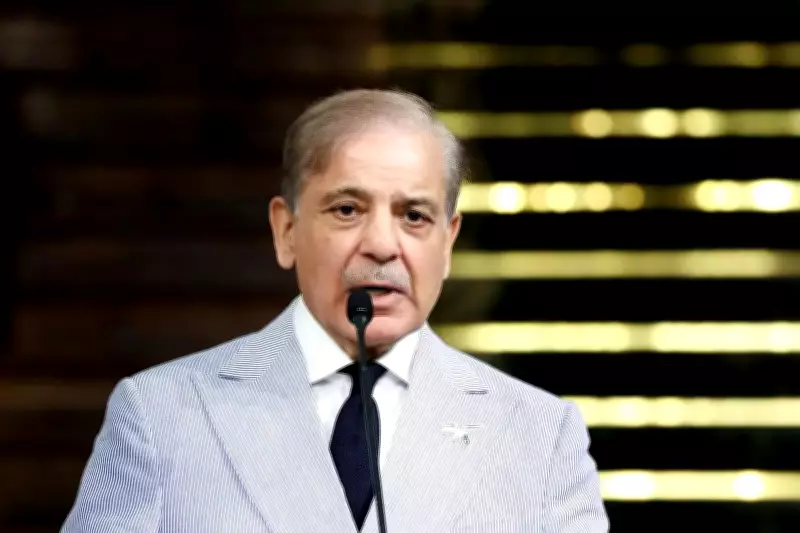
In a significant step to address the economic fallout from the ongoing fuel crisis, Pakistan Prime Minister Shehbaz Sharif on Saturday approved salary cuts ranging from 5 to 30 per cent for employees of state-owned enterprises and autonomous institutions. This decision is part of a broader austerity drive initiated by the government to mitigate the impacts of the sharp rise in fuel prices, which are linked to the escalating US-Israel-Iran conflict in the Middle East.
High-Level Review Meeting Drives Austerity Measures
The approval came during a high-level review meeting chaired by Prime Minister Shehbaz Sharif, aimed at assessing and implementing savings measures announced earlier this week. According to a statement from the Prime Minister's Office, the meeting thoroughly reviewed the effects of fuel price fluctuations and the government's actions to reduce expenditure. "It was decided in the meeting that, like government employees, there will be a 5-30 per cent cut in the salaries of employees of state-owned enterprises and autonomous institutions under government patronage," the statement detailed.
The government emphasized that the funds saved through these austerity measures would be allocated exclusively for public relief, underscoring a commitment to supporting citizens during this challenging economic period.

Comprehensive Austerity Plan Includes Vehicle and Travel Restrictions
Beyond salary reductions, the austerity plan encompasses several other stringent measures. Officials at the meeting were informed that a third-party audit will supervise a 50 per cent reduction in fuel allocations for government vehicles. Additionally, 60 per cent of these vehicles will be taken off the roads over the next two months, aiming to drastically cut fuel consumption and costs.
The government also decided that representatives serving on the boards of corporations and institutions will no longer receive participation fees, with these savings being redirected towards public welfare. The meeting was further briefed on the implementation of a complete ban on the purchase of new vehicles and all other government purchases, reinforcing the drive for fiscal discipline.
Impact on Government Officials and Broader Economic Context
Under the austerity plan, the next two months' salaries of cabinet members, ministers, advisers, and special assistants will also be utilized as savings for public welfare. Furthermore, the government has maintained a complete ban on foreign visits for government officers, ministers, ministers of state, and special assistants, as quoted by the prime minister in the statement.
Pakistan has already begun experiencing the economic repercussions of the Middle East conflict, with petroleum prices increased by Rs 55 per litre last Friday. This prompted the government to introduce earlier measures, including a 50 per cent reduction in fuel allocations for official vehicles for two months, removing 60 per cent of government vehicles from the roads during this period, and implementing a four-day work week for government offices.
These steps collectively aim to curb fuel consumption and stabilize the economy amidst global tensions, highlighting the government's proactive approach to managing the crisis.