

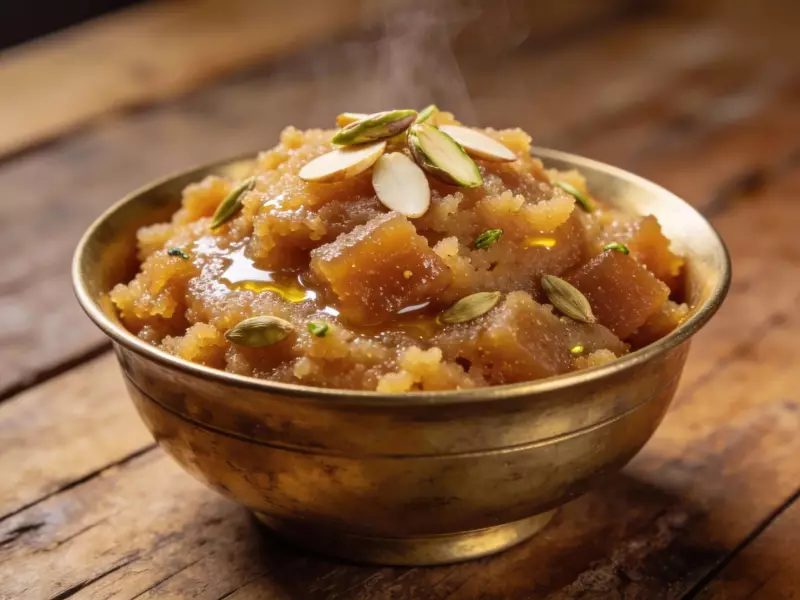
As the winter chill sets in, Indian kitchens turn to time-honoured, warming treats. Among them, Gud ka Halwa, or jaggery-based semolina pudding, reigns supreme. Often called 'Sardi ki Mithai' or the sweet of the winter season, this dessert is more than just a treat; it's considered warm and nourishing according to Ayurvedic principles. This simple, delightful bowl of winter goodness is a staple in homes across the country, with each family adding its own unique touch to the classic recipe.
Why Jaggery is the Star of Winter Sweets
In Ayurveda, foods are classified based on their inherent energy. Jaggery, made from concentrated sugarcane juice, is believed to possess a warming quality. This makes it an ideal ingredient to combat the cold weather. Its natural sweetness and rich mineral content also offer a more wholesome alternative to refined sugar. During winter, it becomes the central component in numerous traditional sweets that incorporate seasonal produce like til (sesame) and gond (edible gum). The key to an authentic taste is using fresh, high-quality jaggery, not the powdered variety available year-round.
Your Step-by-Step Guide to Perfect Gud ka Halwa
The beauty of this dessert lies in its simplicity. With just a handful of ingredients and a few minutes of attentive cooking, you can create a heartwarming delicacy. The process begins with dry roasting one cup of semolina (sooji) in a pan until it turns fragrant and achieves a light brown hue. It's crucial to keep the flame low during this step, as semolina can burn quickly, ruining the halwa's flavour.

Next, add half a cup of ghee to the roasted semolina and fry it on a low flame for another minute. This enhances the nutty aroma. Now, pour in one cup of water along with one cup of fresh jaggery. To ensure the jaggery melts swiftly, break it into small pieces or grate it before adding. Cook this mixture on a low flame, stirring continuously, until the jaggery completely dissolves and the ghee starts to separate from the sides.
The Final Flourish and Serving
Once the halwa reaches the desired consistency, it's time for the aromatic spices. Add one teaspoon of cardamom powder and a pinch of dry ginger powder, mixing them well into the halwa. These spices not only add depth to the flavour but also contribute their own digestive and warming properties. Finally, garnish the halwa generously with your choice of dry fruits. For the ultimate experience, serve it hot, allowing the comforting warmth and rich flavours to define your winter moment.
This Gud ka Halwa recipe is a testament to the wisdom of traditional cooking, where food is tailored to the seasons. It's a quick, effortless way to bring a piece of culinary heritage and Ayurvedic nourishment to your winter table.






