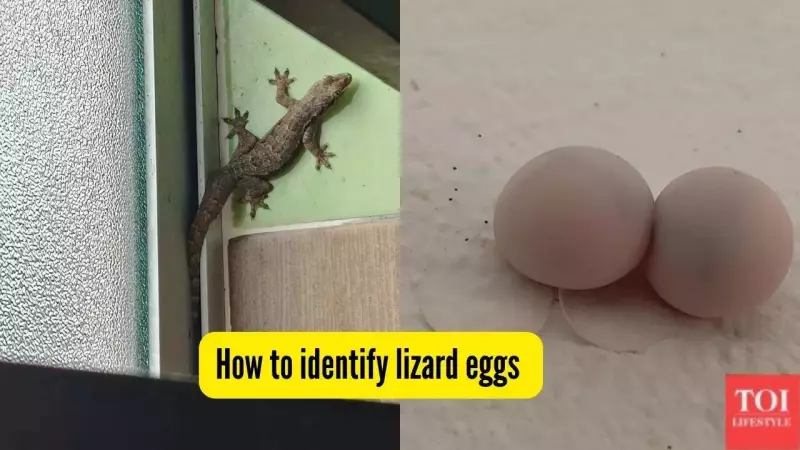
Lizards on walls are a familiar and often unwelcome sight in countless Indian households, particularly during the warm and humid monsoon and summer seasons. While the common house gecko is generally harmless to humans, discovering their small, leathery eggs adhered to your walls, nestled in door cracks, or hidden in other nooks can be an unsettling experience. This presence indicates that the reptile has deemed your living space a secure and suitable environment for breeding, which could lead to an increasing lizard population if not addressed.
Understanding and Identifying Lizard Eggs
The primary challenge with lizard eggs is their diminutive size; they can be as tiny as a human fingernail, making them easy to overlook or accidentally crush. Typically oval-shaped, these eggs boast a white or off-white exterior shell. Unlike the hard shells of bird eggs, lizard eggs have a softer, leathery, or slightly rubbery texture when touched. A key fact many may not know is that most house lizards lay two eggs simultaneously, so they are frequently found in pairs or small clusters.
Another distinguishing characteristic is their ability to stick lightly to surfaces such as walls, corners, or door frames. As the eggs mature, faint vein-like patterns may become visible through the shell, signaling a developing embryo inside.

Common Hiding Spots for Lizard Eggs in Your Home
House lizards prefer dark, warm, and secluded spots to deposit their eggs. You are most likely to encounter them in the following locations:
- Within wall cracks, crevices, or gaps in the ceiling
- Behind cupboards, wardrobes, and bookshelves
- Concealed behind wall hangings or picture frames
- Under kitchen sinks or bathroom cabinets
- Behind large appliances like refrigerators, microwaves, or washing machines
- Inside shoe racks or other cluttered storage areas
Are Lizard Eggs Poisonous or Dangerous?
The eggs themselves are not poisonous. However, lizards can carry bacteria such as Salmonella on their skin and in their droppings, which might contaminate the eggs. Therefore, it is strongly advised to avoid direct contact with bare hands. The more pressing concern is the potential for a rapid increase in the lizard population within your home, which can affect hygiene and comfort.
Safe and Effective Removal Techniques
If you find lizard eggs in your home, follow these steps for safe removal:
- Wear Protective Gloves: Always use disposable or reusable gloves to protect your hands from any bacteria.
- Lift Gently with a Tool: Since the eggs are extremely fragile, carefully slide a piece of stiff paper, cardboard, or a spatula underneath them to lift without breaking.
- Avoid Movement and Rotation: Lizard embryos are sensitive to disturbance; handle the eggs gently to prevent damage.
- Proper Disposal: Place the eggs in a sealed bag or container and discard them in an outdoor garbage bin.
- Consider Relocation: As an alternative, you can relocate the eggs to a shaded, protected outdoor area far from your home.
- Clean the Area Thoroughly: After removal, clean the spot with a disinfectant spray to eliminate any residual bacteria or scent markers.
Preventive Measures to Deter Lizards from Laying Eggs
Prevention is undoubtedly more effective than dealing with an infestation. Implement these strategies to make your home less inviting to lizards:
- Inspect and seal all cracks, gaps, and holes in walls, windows, and doors immediately.
- Keep kitchens and bathrooms dry, as moisture attracts insects that lizards feed on.
- Maintain an insect-free environment by using repellents or traps, reducing the lizards' food source.
- Declutter your home regularly to eliminate hiding spots.
- Some homeowners use crushed eggshells placed in corners as a natural deterrent, though results may vary.
When to Seek Professional Assistance
If the lizard problem persists despite your efforts, do not hesitate to contact a professional pest control service. Experts can provide targeted solutions and long-term management strategies to keep your home lizard-free.

While the sight of lizard eggs indoors can be disconcerting, with proper identification, careful removal, and consistent preventive measures, you can effectively manage and resolve the issue, ensuring a cleaner and more comfortable living space.