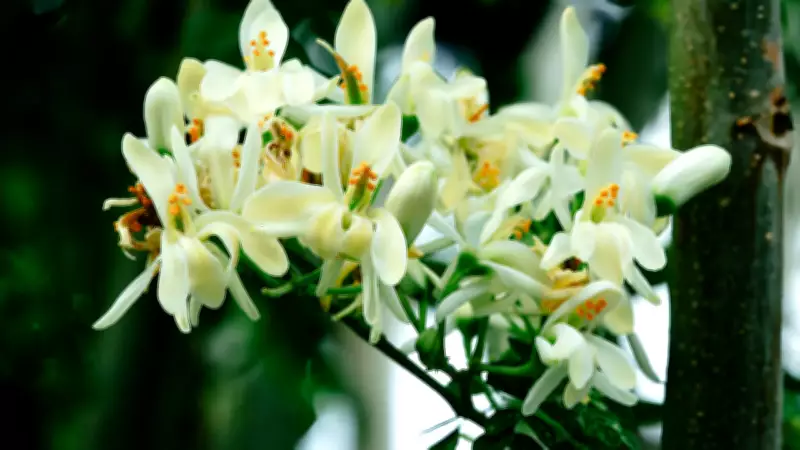
How to Grow Moringa at Home: A Step-by-Step Guide for Beginners
Moringa, commonly known as Sahjan or the drumstick tree, stands out as one of the simplest "superfood" plants to cultivate at home, especially in India or any region with a warm and sunny climate. This resilient plant thrives under direct sunlight, tolerates drought conditions exceptionally well, and rewards gardeners with a bounty of fresh leaves, flowers, and drumsticks right from their balcony or garden. In this comprehensive guide, we will walk you through every stage of cultivating and nurturing Moringa at home, featuring straightforward steps that even novices can follow, along with expert advice from experienced growers and insights from small-scale cultivation studies.
Choosing the Ideal Location for Your Moringa Plant
Moringa, scientifically named Moringa oleifera, is a plant that flourishes in warm, sunny environments. According to research from Tamil Nadu Agricultural University, it prefers air temperatures ranging from approximately 25 to 35 degrees Celsius and is native to the sub-Himalayan regions and tropical areas of India. You can successfully grow it on a balcony, terrace, or in a small garden, provided it receives ample sunlight throughout the day.
Key factors to consider when selecting a spot include:

- Sunlight: Ensure the plant gets at least 6 to 8 hours of direct sunlight daily for optimal growth.
- Soil: Use light, well-draining soil with a slightly acidic to neutral pH level, ideally between 6.3 and 7.0.
- Container: If planting in a pot or tub, choose one that is at least 30 to 40 centimeters deep to accommodate the plant's long taproot system.
Planting Moringa: Seeds vs. Cuttings
There are two primary methods to start your Moringa plant at home: using seeds or branch cuttings. Each approach has its own set of steps to ensure successful establishment.
Planting from Seeds
Moringa seeds are highly viable and can germinate immediately after ripening or remain effective for up to a year. Follow this brief step-by-step process:
- Soak the Moringa seeds in water overnight to accelerate germination.
- Plant the seeds about 1 to 2 centimeters deep in the soil. For multiple plants, space each seed 30 to 60 centimeters apart; in garden settings, maintain a distance of 2 to 3 meters between plants.
- Water the soil lightly after planting. Germination typically occurs within 5 to 12 days under proper conditions.
Planting from Cuttings
Alternatively, you can use a hard branch cutting measuring about 1 to 1.5 meters in length. Plant approximately one-third of the cutting, around 50 centimeters deep, in sandy soil. It is crucial to avoid overwatering, as Moringa does not tolerate wet soil; water lightly to prevent saturation.
Watering, Feeding, and Basic Care for Moringa
Once established, Moringa exhibits remarkable drought resistance due to its deep taproot. However, during the initial 2 to 3 months, consistent watering is essential for healthy growth.
Adhere to these easy-to-follow guidelines for maintenance:

- Watering: Keep the soil moist but not waterlogged. Allow the top layer of soil to dry slightly before watering again to prevent root issues.
- Fertiliser: While Moringa trees can grow without additional fertiliser, incorporating compost or farmyard manure into the soil can enhance growth. Studies in India suggest that combining farmyard manure with a small amount of nitrogenous fertiliser may increase pod yield significantly.
- Pruning and Pinching: When the tree reaches a height of 60 to 75 centimeters, pinch off the top portion of the stem to encourage the development of side branches. Repeat this process gently on new side shoots as the tree matures, ensuring drumsticks remain within easy reach for harvesting.
Managing Pests, Diseases, and Harvesting Your Moringa
Moringa is naturally resistant to many pests, though young seedlings may occasionally attract aphids, caterpillars, or mites. Employ low-chemical pest control methods such as manual removal, neem-based sprays, and maintaining a clean, well-ventilated growing area. To prevent root rot, prioritize good drainage over frequent watering, as excessively wet soil can be detrimental.
For harvesting at home:
- Drumsticks: Harvest young drumsticks while they are still green and snap easily when bent; they harden with age and become less palatable.
- Leaves: Pick tender, young leaves and leaf tips for fresh use. Older leaves can be dried and processed into powder or tea for extended storage and consumption.
By following these simple instructions, you can maintain a healthy Moringa (Sahjan) plant in your backyard with minimal effort and watering, enjoying a continuous supply of nutritious superfood right at home.