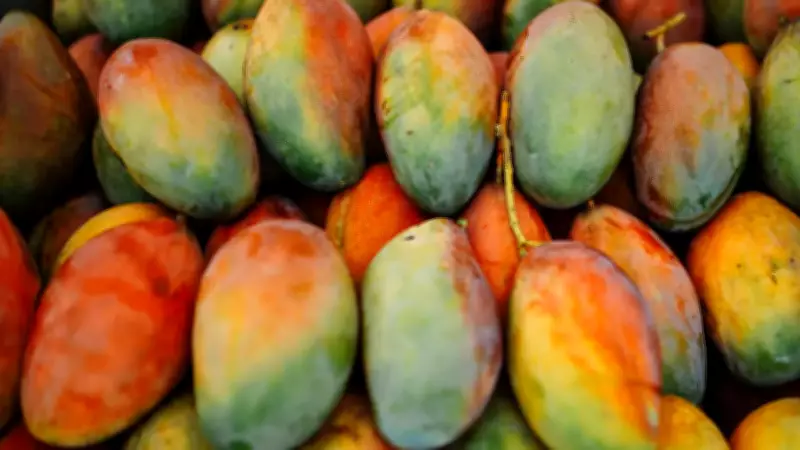
There is no denying that mangoes are among the most loved fruits across the globe, but imagine waking up in the morning, plucking a mango from your balcony, and relishing it in the comfort of your home. While the mere thought may seem unreal or even a bluff for some mango fanatics, a rare mango variety can be effortlessly grown on the balcony and is ready to consume in just nine months. Read on to discover more about this rare mango and how to grow it at home.
Is It Just a Fad?
While mangoes are synonymous with summers, what if we told you that you can relish them in December or February? Sounds unbelievable and impossible, since we usually associate this fruit with peak summer, but Baramasi mangoes completely flip the script. While regular mango trees yield one harvest per year, these unique varieties produce fruit multiple times throughout the seasons, making them a literal game-changer for home gardeners.
What Does "Baramasi" Mean?
Interestingly, the name of this mango variety itself tells the whole story. In Hindi, "bara" translates to "twelve," and "masi" means "months." When combined, it translates to "all-season" or "throughout the year." So, instead of waiting around for a single annual flowering cycle of regular mangoes, one can grow small Baramasi trees anytime of the year by following the same process through flowering and fruiting, particularly when grown in warm tropical environments.

Perfect for Homes with Limited Space
Traditionally, mango trees are massive giants, often towering over 30 meters high, and they need proper conditions to grow. However, the Baramasi mango trees are compact grafted hybrids. They stay small and highly manageable, making them perfect for terraces, balconies, and small home gardens. Even better? Grafted Baramasi trees can start producing fruit in just nine to twelve months. When you compare that to a traditional seed-grown tree—which forces you to wait four to five years for your first harvest—it is easy to see why home gardeners love them.
Taste, Texture, and Traits
If you love the sweet and slightly citrusy flavor of mangoes, then these Baramasi mangoes will never disappoint you. This variety is loved for being delightful, sweet, and fiberless. You get a silky, juicy, and smooth golden-yellow pulp without dealing with strings getting stuck in your teeth.
The Baramasi Varieties One Can Grow on the Balcony
Several specific cultivars dominate the all-season mango scene, each with its own unique flair:
- Katimon: Originally from Thailand, this is the reigning champion of Indian home gardens. It stays naturally dwarf-sized, thriving beautifully in pots. Its main flowering stretch happens between December and February, with fruit harvests running all the way from March through September.
- Hong Siang (Red Dragon): This exotic variety is highly sought after for its stunning appearance. The fruit develops a striking reddish blush on the skin, looking incredibly premium while hanging from the branches.
- Sadabahar: A popular indigenous Indian all-season variety discovered in Rajasthan. It is highly resistant to common pests and keeps a very compact habit, making it another excellent candidate for container gardening.
Best Growing Conditions
Baramasi mangoes thrive in warm, humid climates, which is why they do so well across most of India. They love long sunny days and grow best in temperatures ranging between 20°C and 38°C. If you plant them in well-draining soil, give them plenty of sunlight, and protect them from severe frost, you can enjoy the unmatched satisfaction of harvesting your own homegrown mangoes all year long.