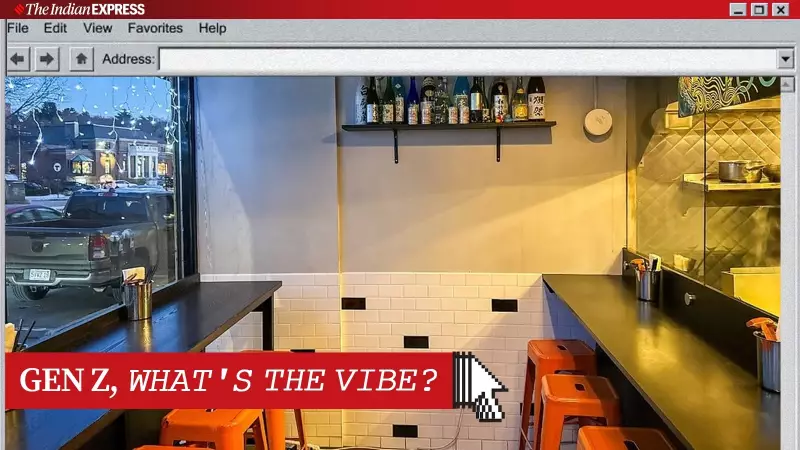
Imagine a Mumbai street where a snaking queue of young people waits patiently, smartphones in hand, all for a crispy dosa from a tiny, bustling joint. This scene is no longer an anomaly but a defining feature of urban India's food landscape. Generation Z is spearheading a culinary revolution, turning their backs on sprawling restaurant chains in favour of intimate, often cramped, micro-dining establishments that promise exclusivity and a unique experience.
The Allure of the Intimate Bite
The phenomenon isn't limited to dosas. Across metros like Delhi, Bangalore, and Mumbai, hole-in-the-wall coffee shops, authentic ramen shacks, and gelato bars with barely a handful of seats are dominating social media feeds. Gen Z is willingly joining month-long waitlists and braving weather extremes, all to capture the perfect 'money shot' of a signature dish and be part of a curated, intimate gathering.
But is this just a clever marketing gimmick to save on real estate and generate hype? Experts say it's a profound shift in consumer values. Shakti Banerjee, Senior Vice President at Hansa Research, clarifies that Gen Z isn't merely chasing hype. "This generation is busy curating a food culture they can identify with — filled with food they can experience, that delivers meaning and don’t just serve meals," Banerjee explains.

Her qualitative research revealed surprising motivations. Some young diners admitted that a long queue acts as social validation, making the eventual meal feel more rewarding. Others expressed that large chains feel generic, lacking the specialised attention and personal connection offered by a small outlet where you might even interact with the chef.
Intentionality Over Infrastructure
For restaurateurs, choosing a micro-format is a deliberate strategy. Yash Bhatia, founder of Mai Mai in Bangalore's Indiranagar, says the model prioritises quality and control over volume. "A smaller format forces clarity in the menu, the kitchen flow and the overall experience. It keeps founders and chefs close to the product, and that closeness shows up in how food is cooked, plated and served," he told The Indian Express.
This aligns perfectly with Gen Z's desire for transparency and authenticity. They are drawn to spaces that feel personal and 'lived-in'. An open kitchen, a slower pace, and deliberate service foster a sense of belonging. "Transparency matters to them. They want to see how food is made, understand the thinking behind it," Bhatia added. Even minor imperfections, when handled sincerely, can build trust with this discerning generation.
Nakazawa Kyouhei of Kuuraku India Pvt Ltd points out that with dining options now abundant, taste alone is no longer a key differentiator. Gen Z seeks experiential value—the story behind the ingredients, the chef's philosophy, the cultural context of the dish. "Micro dining offers intimate, high-density experiences for a small number of guests... where both restaurants and customers can more easily express their own preferences and originality," Kyouhei opined.
Sustainability Beyond the Social Media Buzz
The critical question remains: Can these micro-restaurants survive in an attention-driven economy once the initial social media frenzy fades? Sidhant Kalra, director of Khan Chacha, agrees that while Instagram and FOMO (Fear Of Missing Out) drive the first visit, longevity demands more. "Once the buzz fades, only strong food and memorable experiences keep people coming back," he emphasised.
Gen Z's shift from material purchases to valuing experiences works in favour of micro-dining, but they are also quick to disengage if quality falters. Long-term relevance hinges on authenticity, consistency, and a genuine connection. Yash Bhatia notes that while social media sparks discovery, it doesn't sustain loyalty. "Gen Z is sharp, intelligent and quick to see through hype. Repeat visits are built on trust, consistency, and genuine experiences," he concluded.

Ultimately, as Gen Z continues to redefine luxury around intimacy, exclusivity, and meaningful experiences, micro-restaurants that successfully deliver on these fronts—combining stellar food with a powerful, personal narrative—are poised not just as a passing trend, but as a significant and enduring part of India's future food culture.