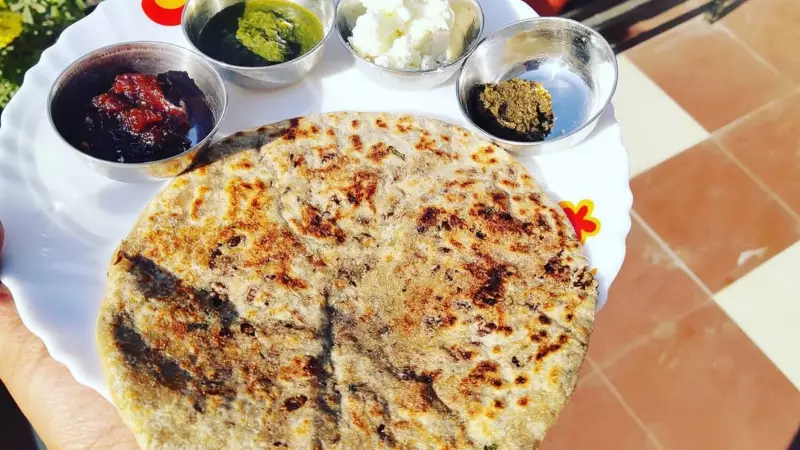
As winter blankets the hills of Uttarakhand, a traditional delicacy takes center stage in pahadi households: gahat dal, commonly known as horse gram. This humble legume has been cherished for generations, not just for its rich cultural heritage but also for its impressive nutritional profile that makes it a true winter superfood.
The Pahadi Winter Delicacy: Gahat Dal Parathas
In the cold months, parathas made with gahat dal become a popular comfort food across Uttarakhand. Served warm with generous amounts of ghee and tangy chutneys, these parathas are more than just a meal—they represent a culinary tradition passed down through families. The preparation involves soaking and cooking the dal before incorporating it into the dough, resulting in a hearty, flavorful flatbread that provides both sustenance and warmth.
Nutritional Powerhouse: What Makes Gahat Dal Special?
According to Amreen Sheikh, Chief Dietitian at KIMS Hospitals in Thane, gahat dal stands out nutritionally among pulses. "It contains slightly higher protein and fibre than many common dals, making it particularly filling and supportive of steady digestion," she explains. This combination helps maintain energy levels throughout the day while promoting gut health.

Beyond protein and fibre, gahat dal is a valuable source of essential minerals. "The dal is also a good source of iron, calcium, and polyphenols," Sheikh adds. "These nutrients support energy production, bone health, gut function, and immunity, which is why people in the hills often consider it a strength-building, warming food ideal for colder climates and physically demanding lifestyles."
Health Benefits: From Kidney Stones to Diabetes Management
One of the most discussed aspects of gahat dal is its potential impact on kidney health. Sheikh notes that early studies suggest gahat dal may help improve urine flow and reduce certain stone-forming substances, particularly in cases linked to high oxalate levels. "However, while it may offer supportive benefits, it should never be considered a substitute for proper medical treatment for kidney stones," she cautions.
For individuals managing diabetes or insulin resistance, gahat dal presents significant advantages. "Gahat dal is especially useful because it digests slowly and releases glucose more gradually than many other pulses," Sheikh explains. This slower digestion helps control post-meal sugar spikes and supports more stable energy levels throughout the day. The high fibre content further aids in curbing cravings and maintaining satiety, which benefits both blood sugar management and weight control.
Potential Downsides and Consumption Guidelines
Despite its numerous benefits, moderation remains crucial when incorporating gahat dal into one's diet. "Some people may experience bloating if they consume too much at once, especially if their digestive system is already sensitive," Sheikh warns. Additionally, gahat dal contains slightly higher natural purines compared to other legumes. "Individuals with elevated uric acid levels should exercise caution and consult with healthcare providers," she advises.
For those trying gahat dal for the first time, Sheikh recommends starting with small servings to observe how the body responds. This gradual introduction allows the digestive system to adapt while minimizing potential discomfort.
Cultural Significance and Modern Relevance
Beyond its nutritional value, gahat dal holds deep cultural significance in Uttarakhand's culinary traditions. It represents resilience and adaptation to harsh mountain climates, where nutrient-dense foods are essential for survival. Today, as people increasingly seek traditional, wholesome foods, gahat dal is gaining recognition beyond the hills as a superfood worthy of inclusion in diverse diets.
Its versatility extends beyond parathas—gahat dal can be used in soups, stews, and various regional dishes, making it accessible to those exploring Indian cuisine's rich diversity.
Disclaimer: This article is based on information from public sources and expert insights. Always consult your healthcare practitioner before making significant dietary changes or using foods for therapeutic purposes.