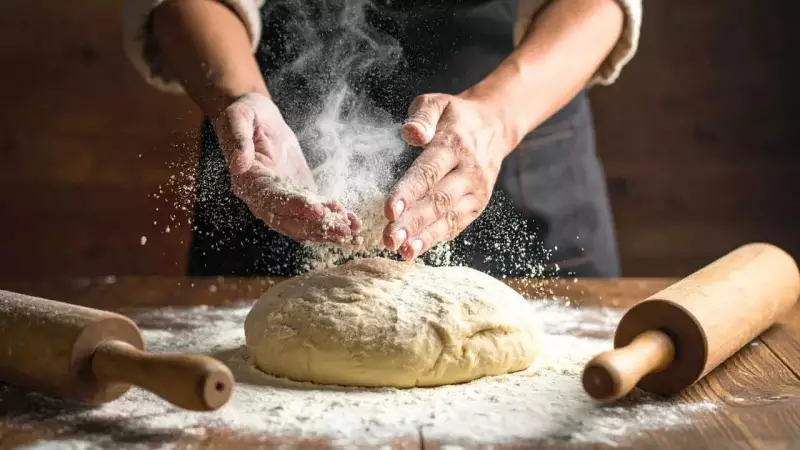
For many home cooks in India, preparing a large batch of dough seems like a perfect time-saving strategy. The idea is simple: mix today, store the leftovers in the refrigerator, and enjoy the convenience of ready-to-cook dough tomorrow. However, this kitchen shortcut often leads to disappointment. The moment you take that refrigerated dough out, you notice it feels tougher and behaves differently, never delivering the same soft, warm result as freshly made dough.
The difference is not just in your head. Dough is a living material that continues to evolve long after you finish mixing it. Its structure, flavour, and texture undergo significant changes during storage, which directly affects how it cooks, tastes, and even smells. This is why fresh dough consistently produces superior results for Indian breads like chapatis, parathas, and puris.
The Science Behind Dough's Texture Change
Fresh dough works beautifully because its gluten network is fully intact and moisture is evenly distributed throughout. This perfect internal balance makes the dough cooperative during rolling and cooking. When dough sits for too long, this balance shifts dramatically. Water molecules migrate, and the gluten strands gradually weaken or tighten in unpredictable ways.

Even without visible signs of spoilage, the dough becomes noticeably stiffer and less elastic. These changes make it difficult to achieve the smooth, even texture required for soft, puffed breads. Research published in the journal Foods has demonstrated how stored dough becomes harder, less extensible, and less predictable during cooking. Although this study specifically examined frozen dough, the same patterns appear in milder form in refrigerated leftovers, making fresh dough far more reliable for everyday Indian cooking.
How Storage Affects Nutritional Value
The nutritional profile of dough doesn't remain constant during storage. A natural process called starch retrogradation occurs as dough rests, where starch molecules reorganize and firm up. This is why leftover dough often feels drier and more rigid. When you cook dough that has undergone retrogradation, you get a noticeably different bite—often slightly chewy or tougher than expected.
This molecular shift does more than just affect texture. Retrograded starch becomes resistant starch, which the body digests differently. While resistant starch offers some health benefits, it significantly changes how the final food feels, breaks down, and satisfies hunger. Fresh dough, by contrast, has starches in their most responsive form, helping them gel properly with heat and retain moisture, resulting in softer, easier-to-digest final products.
Why Fresh Dough Tastes Better
Leftover dough may look harmless initially, but flavour and aroma changes become obvious once it hits the tava or pan. Fresh dough carries a natural, mild aroma while cooking, while stored dough often develops sharper, slightly sour, or metallic notes because the sugars inside continue breaking down slowly.
Texture and appearance follow the same disappointing pattern. Older dough rarely puffs properly because its gluten network has weakened over time. The result is chapatis or flatbreads that remain stiff, cook unevenly, or develop hard patches. Even breads or stuffed preparations lose their softness faster when made from leftover dough. Fresh dough, on the other hand, responds more beautifully to heat, browning evenly, puffing consistently, and retaining warmth without turning rubbery.
The quality difference between fresh and stored dough becomes especially apparent in Indian kitchens, where soft, pliable rotis are a daily necessity. While using leftover dough might feel efficient on busy days, the trade-offs in texture, taste, and cooking experience make preparing fresh dough worth the extra few minutes. The consistent results and superior eating experience confirm that when it comes to dough, freshness truly matters.