The Ancient Art of Dough Proofing: Why Modern Bakers Are Returning to Cloth
A gentle transformation occurs when dough rests in your kitchen, evolving from simple ingredients into a living, breathing entity through the magical process of proofing. For home bakers, this fermentation stage represents both excitement and challenge, particularly when combating dry indoor air that can sabotage baking efforts.
The Dry Air Dilemma in Home Baking
One of the most common frustrations for home bakers involves uncovering dough only to discover a leathery, dry skin has formed on the surface. This crusty barrier prevents proper rising and compromises the final texture of baked goods. While modern kitchens offer plastic wraps and specialized lids, a growing movement of artisanal bakers is rediscovering a centuries-old solution: the humble damp kitchen cloth.
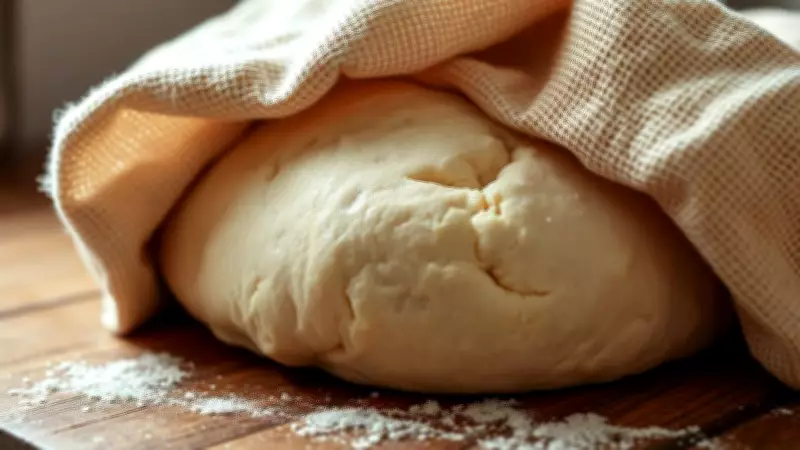
Placing a clean fabric over your proofing bowl serves multiple purposes beyond simple concealment. This traditional method creates an ideal microclimate where biological fermentation processes can flourish. The cloth provides protective yet breathable coverage, allowing dough to expand freely while shielding it from drafts that would otherwise steal precious moisture and potentially create excessively thick, dark crusts.

The Science Behind Moisture Management
This crucial step addresses a fundamental aspect of dough chemistry: surface moisture transfer. When left uncovered, dough loses moisture rapidly through evaporation, forming a crust that inhibits yeast activity and proper rising. Scientific research published in the journal Foods, titled "Effect of Proofing on the Rheology and Moisture Distribution of Corn Starch-Hydroxypropylmethylcellulose Gluten-Free Dough," explores the relationship between hydration and texture, demonstrating how final moisture distribution patterns determine dough elasticity and softness.
Proper hydration balance requires careful attention. When dough becomes too dry, it loses extensibility—the scientific term for its ability to stretch. This principle is further explained in research published in Food Chemistry, "Divergent temperature regulation of dough sheet extensibility driven by moisture threshold during mixing."
Material Matters: Choosing the Right Proofing Cloth
Not all fabrics provide equal protection during proofing. While many home bakers reach for whatever tea towels are available, material selection significantly impacts dough development. Research published in the Journal of Food Engineering, "Ageing proving cloths – Effects on surfaces and usability," reveals that as fabrics age and undergo laundering, their surface fibers change, affecting how dough interacts with them.
Smooth polyester or finely woven linen typically outperforms rough cotton because these materials allow proper airflow without snagging the dough surface. For optimal results, slightly moisten your cloth before placing it over the bowl—this mimics the humidity-controlled environments found in professional bakery proofing ovens.
Maintenance and Best Practices
Proper cloth maintenance proves essential for consistent baking results. Regularly brush off excess flour and avoid heavy detergents that might leave residual scents. As noted in another Journal of Food Engineering study, "Time-dependent adhesion behavior between dough and contact surfaces in bakeries," maintaining clean, smooth contact surfaces prevents dough damage during the rising process.
Beyond improving bread quality, this simple adjustment promotes more sustainable baking practices. Choosing reusable cloth over disposable plastic reduces waste while honoring traditional baking wisdom that recognized time and proper materials as essential to success.
The Living Reality of Ingredients
Exceptional bread begins with understanding the living nature of your ingredients. By providing dough with a protected, properly humidified environment, you give yeast the breathing space it needs to work its magic. Next time you prepare dough for rising, consider replacing plastic with a piece of fabric. You'll likely notice softer loaf textures, more consistent crust development, and your kitchen will fill with the authentic aroma of a professional bakery.