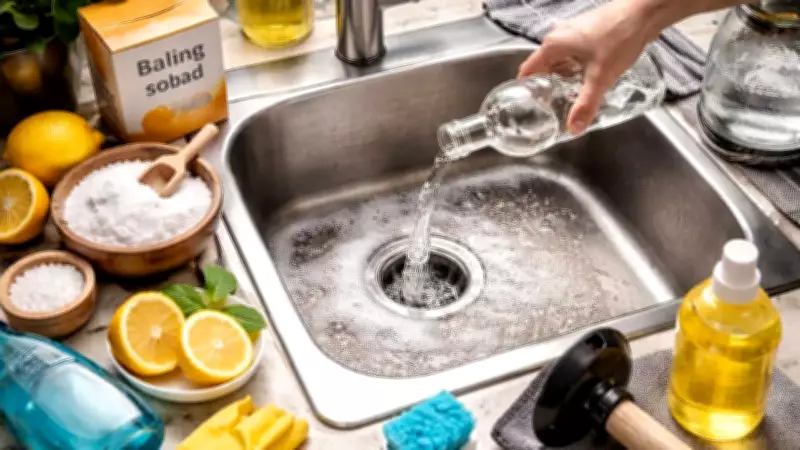
Unclog Your Kitchen Sink Naturally: Easy DIY Solutions for Homeowners
Clogged kitchen sinks rank among the most common household annoyances, disrupting daily routines and causing frustration. Small food particles, combined with accumulated grease and soap residue, gradually build up within the drain pipes. Initially, you might notice the water draining slower than usual, but this can quickly escalate to a complete blockage, leaving you with a sink full of stagnant water.
Why Kitchen Sinks Become Clogged
The primary culprits behind kitchen sink clogs are fat, food debris, and soap scum. These substances adhere to the interior walls of the pipes, creating a sticky layer that narrows the passageway for water flow. Over time, this accumulation can harden or combine with other materials, forming a solid obstruction that prevents water from draining efficiently. Understanding this process is the first step toward effective prevention and treatment.
Easy Tips to Unclog Your Kitchen Sink Without Professional Help
Fortunately, many sink blockages can be resolved without the expense of a plumber. By using natural and inexpensive ingredients found in most homes, you can tackle the problem safely and effectively. These methods not only save money but also reduce the stress associated with household repairs.

Use Baking Soda and Vinegar
One of the most popular and effective techniques involves baking soda and vinegar. Start by pouring half a cup of baking soda directly into the drain. Follow this with an equal amount of white vinegar. The chemical reaction between these two ingredients creates a fizzing action that helps break down grease, grime, and organic matter clinging to the pipes. Allow the mixture to sit for 15-30 minutes, then flush with hot water to clear the debris.
Try Hot Water and Dish Soap
Since grease is a major contributor to clogs, using hot water and dish soap can be remarkably effective. Squirt a generous amount of liquid dish soap into the drain, then slowly pour a kettle of boiling water down the pipe. The soap helps emulsify the grease, while the hot water melts and loosens it, allowing it to flow out more easily. This method is particularly useful for mild blockages caused by oily residues.
Use Lemon and Baking Soda for Odor Control
If your clogged sink is accompanied by an unpleasant smell, lemon and baking soda offer a dual solution. Sprinkle baking soda into the drain, then pour freshly squeezed lemon juice over it. The acidic lemon juice reacts with the baking soda, creating a cleansing foam that breaks down dirt and neutralizes odors. This natural deodorizer leaves your sink smelling fresh while helping to clear minor blockages.
Clean the Drain Regularly to Prevent Future Clogs
Prevention is always better than cure. Regular maintenance can significantly reduce the likelihood of severe clogs. Develop the habit of rinsing your sink thoroughly after each use to wash away food particles before they enter the drain. Periodically, you can also use the baking soda and vinegar method as a preventive measure to keep pipes clear and functioning optimally. Maintaining proper sink hygiene not only prevents blockages but also promotes a healthier kitchen environment.
When to Call a Professional Plumber
While DIY methods are effective for most common clogs, there are times when professional intervention is necessary. If you've tried multiple home remedies and the blockage persists, the clog may be located deeper within the plumbing system or involve more complex issues like tree root intrusion or pipe damage. In such cases, hiring a licensed plumber is advisable, as they have specialized tools and expertise to diagnose and resolve the problem safely.
Final Thoughts on Maintaining a Clear Kitchen Sink
A clogged kitchen sink might seem like a daunting issue, but it is often easily manageable with the right approach. By employing these simple, natural techniques and incorporating regular cleaning into your routine, you can keep your sink flowing smoothly and avoid costly repairs. Remember, a little proactive care goes a long way in maintaining the functionality and cleanliness of your kitchen plumbing.